REVIEW · SAN SEBASTIAN
Camino de Santiago hike in San Sebastian
Book on GetYourGuide →Operated by Local Experts Tours · Bookable on GetYourGuide
Scallop shells and ocean air set the pace. I really loved the ocean-view trails and the way the guide ties the Camino de Santiago markers to what you’re actually seeing—sea cliffs, Basque greenery, and pilgrim symbolism. One thing to weigh: you’ll be walking during the climb to Mount Ulia, so it’s not a fit if you have back, mobility, or heart concerns.
This is a tight 5-hour coastal outing that starts at the Kursaal area, moves from Donostia toward Pasaia’s fishing-town feel, and ends with an effortless return thanks to a taxi. Guides are offered in English and Spanish, and the group can be private or small, which makes it easier to ask questions and set your own pace.
In This Review
- Key highlights at a glance
- Starting at Kursaal: the easy way to begin your Camino in San Sebastian
- Up to Mount Ulia: a natural balcony above the Cantabrian Sea
- What makes the climb worth it
- Possible drawback to plan around
- San Pedro (Pasaia): where the sea story turns into a town story
- Why ending here feels like more than a finish line
- The guide experience: what you gain on a marked coastal route
- The best kind of guide help
- Route pacing and timing: how 5 hours actually feels
- Not included, so plan your basics
- Price and value: what $46 buys in the real world
- Who should book this hike (and who shouldn’t)
- Skip it if
- Practical tips to make the most of your Camino day
- Should you book this Camino de Santiago hike from San Sebastián?
Key highlights at a glance
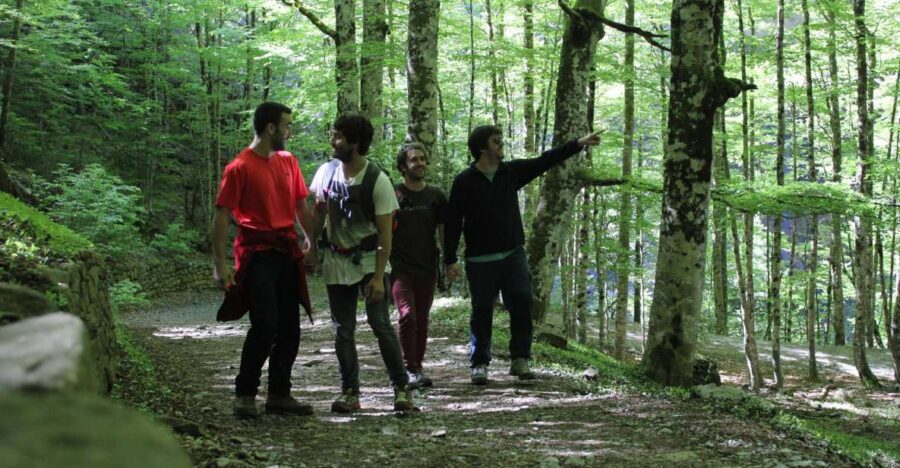
- Scallop shells and yellow arrow waymarking, explained in plain language so you feel oriented on the Camino
- Mount Ulia as a natural sea-facing viewpoint, with the Cantabrian coastline opening up as you climb
- San Pedro (Pasaia) stop in stone-house quays, where maritime Basque life is part of the story
- Small-group or private format, with attention and context as you hike
- Taxi return included, so you’re not juggling rides after the walk
Starting at Kursaal: the easy way to begin your Camino in San Sebastian
Most Camino routes get romanticized, but the first job is simple: get your bearings and start walking. Here, the meeting point is the ticket office at the Kursaal building on Av. de Zurriola, and it’s a convenient anchor if you’re already based in central San Sebastián.
You’ll begin in the Donostia area and work your way toward the coastline and higher ground. In practice, that means your “Camino moment” doesn’t start with a dramatic medieval scene. It starts with modern-day San Sebastián energy—then the route gradually pulls you away from the city and into the rhythm of marked paths.
One detail I appreciate is the pacing promise. This hike is designed to suit all ages, but that does not mean it’s effortless. The terrain includes a climb to Mount Ulia, so the smart move is to show up with comfortable shoes and clothes you can move in. If you’re used to flat city walks only, plan for some uphill work and take breaks when the sea views invite you to.
Other multi-day Basque Country tours from San Sebastian

Up to Mount Ulia: a natural balcony above the Cantabrian Sea
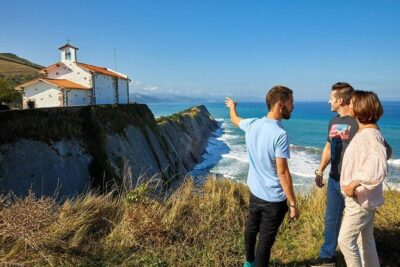
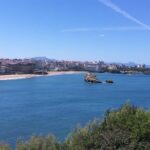
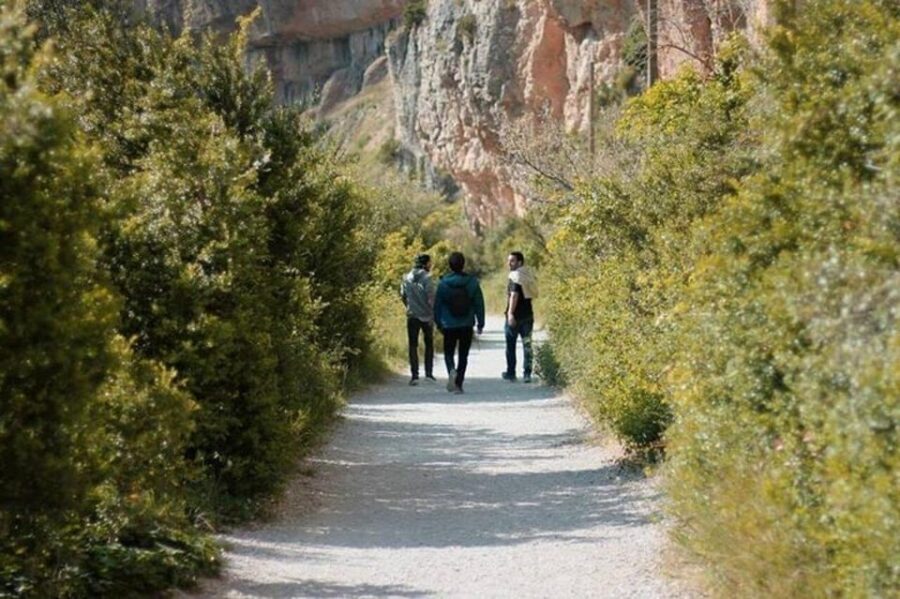
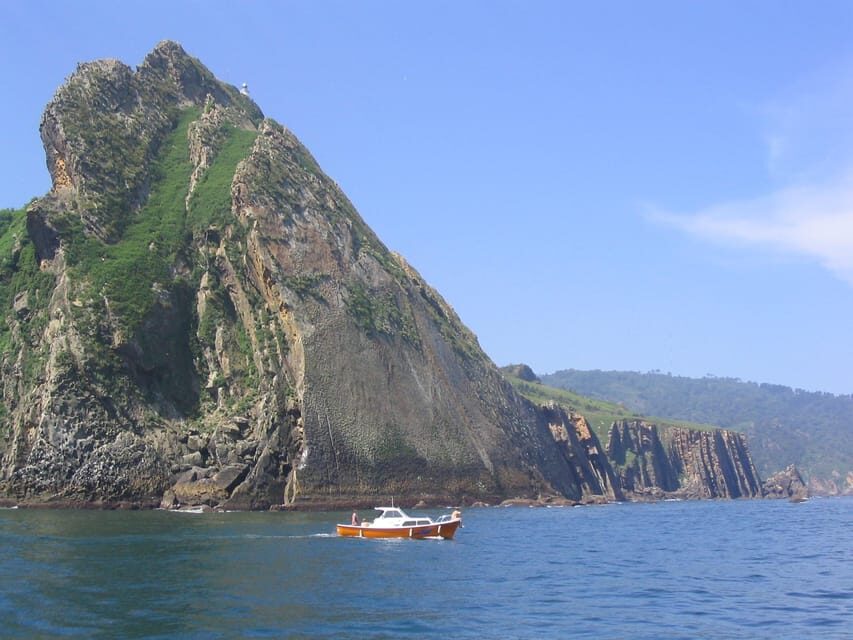
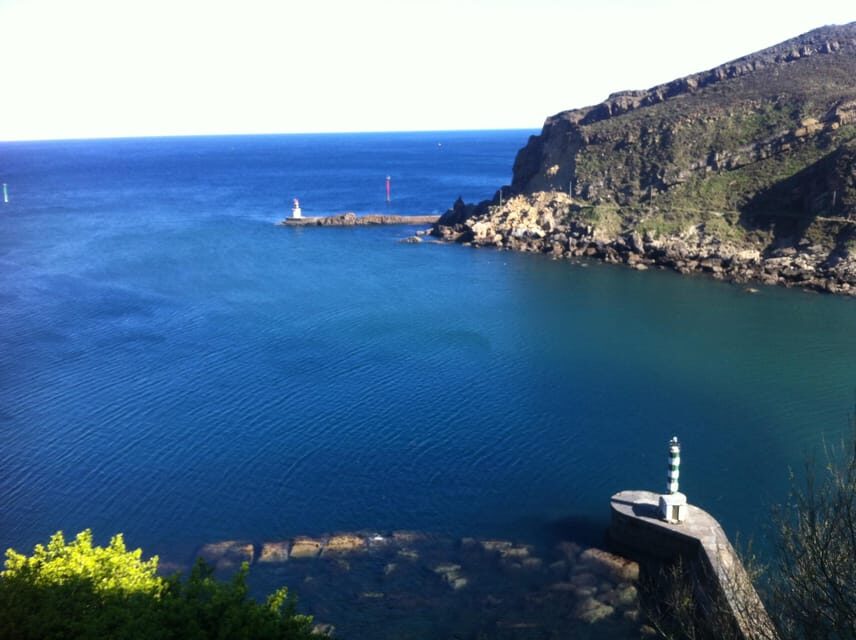
The highlight is the climb into Mount Ulia, a viewpoint area where the coast feels close—so close you can almost smell the Atlantic in every turn. The route is described as a mix of sea, forest, and traditional Camino atmosphere, and that combination matters. You’re not just chasing views. You’re walking through changing surroundings, so the hike stays interesting even if you’re not a die-hard hiker.
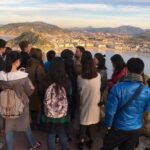
As you move upward, the panorama expands. You get viewpoints toward the bay and the Faro de la Plata, which helps you connect the geography to the Camino story. When guides explain how these places fit into the long pilgrim tradition, you tend to remember it. It stops being a list of facts and becomes something you can point at with your hand while you catch your breath.
What makes the climb worth it
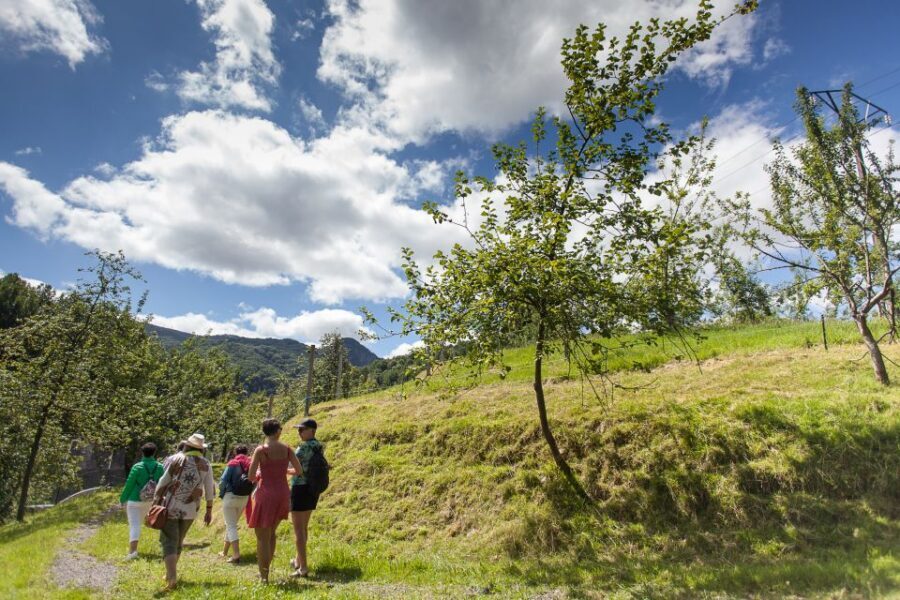
This is one of those routes where the “reward” is not only at the top. You earn the views in pieces. Along the way, you’ll see the coastline texture change—cliffs, open water, and that mix of salt air and greenery. Guides also pay attention to the waymarking: scallop shells and yellow arrows. That’s useful even if you’re not planning to hike the full Camino. It teaches you how to read the Camino system so you can navigate with confidence elsewhere.
Possible drawback to plan around
There’s no avoiding that the climb is the main work. Also, the tour is not suitable for certain medical situations (back problems, mobility impairments, and heart problems are specifically listed). If you’re in that category, skip this one and choose a gentler Camino-style walk instead.
San Pedro (Pasaia): where the sea story turns into a town story
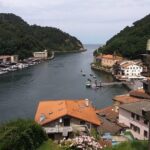
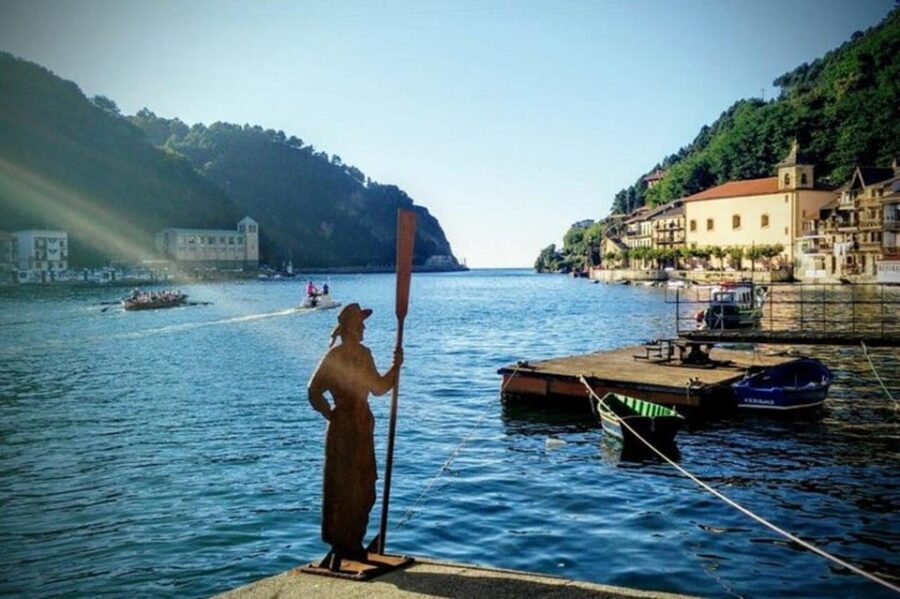
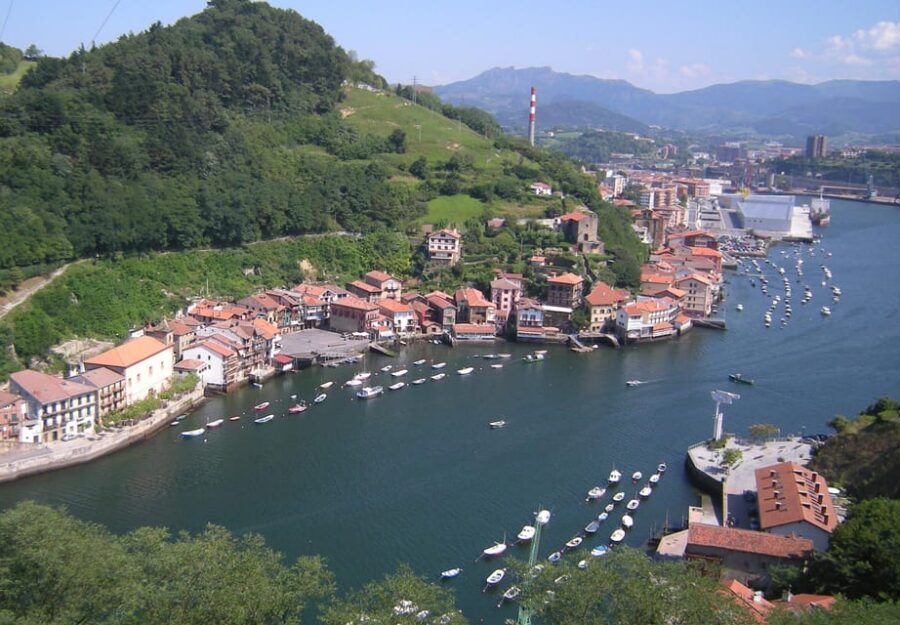
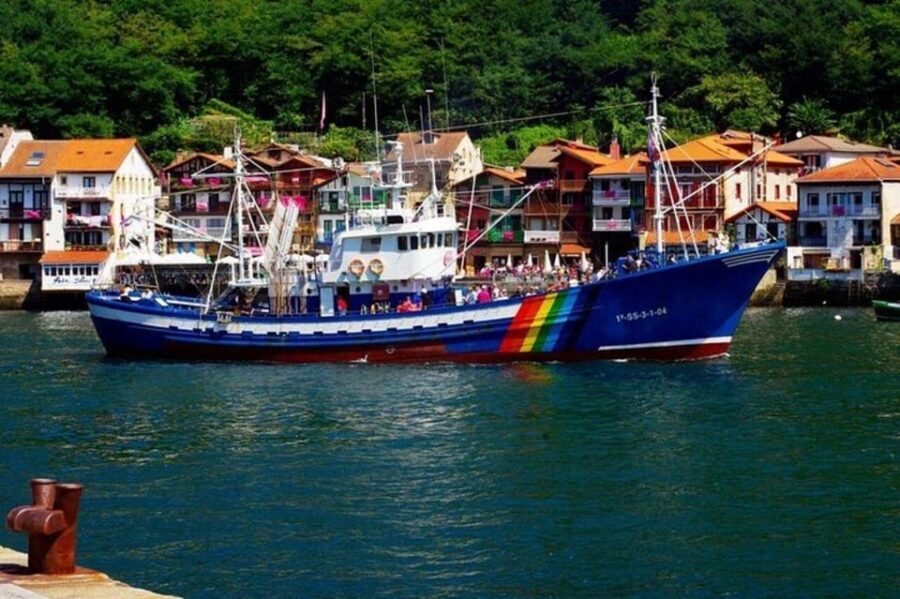
After the viewpoint hiking, the route ends in San Pedro (Pasaia), described as a small fishing town with stone houses and charming quays. This part matters because a Camino experience isn’t only about getting from point A to B. It’s about absorbing the local life that pilgrims would have encountered along the way—work, weather, and community tied to the sea.
Pasaia’s setting gives you that “Bay of Biscay” feeling: maritime, practical, and still rooted in fishing traditions. You’ll have time to visit the town itself, not just pass through it. That means you can slow down and look at the waterline, the waterfront buildings, and the everyday rhythm of a working coastal place.
Other hiking tours in San Sebastian
Why ending here feels like more than a finish line
Many short tours end with a bus stop. This one ends with a place. It helps your brain connect the dots: the coastline isn’t just scenery—it’s part of why historic routes and coastal pathways mattered. When a guide connects the pilgrim mindset to the ports and weather of this region, it makes the Camino feel less like a myth and more like a real journey that different people could experience.
It’s also a nice contrast after Mount Ulia. You move from height and openness back to human scale—walls, boats, and stone—so your legs get a mental break while you still get something worthwhile out of the day.
The guide experience: what you gain on a marked coastal route
A guided hike can be hit-or-miss. Here, the reviews give a clear pattern: the best moments come from the guide’s ability to explain what you’re seeing and answer questions without turning the walk into a lecture.
One guide name stands out: Jonathan. His tours received strong feedback for pairing Basque-region insight with a hands-on hiking experience. Another review praised a guide who was warm, friendly, and strong on area knowledge, including the use of visual materials to help you understand the region. That matters because you’re walking through a layered setting—sea, cliffs, forest, and pilgrim symbolism. Having someone stitch those layers together makes the hike feel like a story you’re inside, not just a route you walked.
The best kind of guide help
You don’t need someone to read every sign aloud. What you want is:
- help interpreting the Camino markers so you feel confident on paths that look similar
- local context that makes place names and landmarks click
- space for your questions while you’re still walking at your own pace
The tour description also emphasizes personalized attention, and the format supports that. Small groups and the option for private tours are practical advantages here. They usually mean you’re less stuck with a single pace and more able to stop for viewpoints without feeling rushed.
Route pacing and timing: how 5 hours actually feels
On paper, 5 hours sounds short. On a route like this—starting from the Kursaal area, climbing toward Mount Ulia, then finishing in San Pedro—it works well if you keep expectations realistic.
Here’s what the timing likely means for your day:
- You’ll have a good portion of your time walking uphill and moving through viewpoints.
- You’ll spend enough time at the endpoint town to feel like you did more than check off a dot on a map.
- You won’t be stuck in long transfer stress afterward because the tour includes a taxi return.
This is a good option if you’re visiting San Sebastián for a few days and want a “Camino flavor” without committing to a full multi-day hike. It’s also a nice choice if you like to keep your afternoons free—because returning via taxi removes a big chunk of logistics.
Not included, so plan your basics
The tour does not include lunch, and rain gear (rain clothes or an umbrella) isn’t provided. That’s not a dealbreaker, but you should treat it as a nudge: bring a light layer, wear shoes you can trust, and have a simple plan for food before or after. If the weather turns, being caught without basic rain protection can quickly turn a scenic walk into an itchy, slippery slog.
Price and value: what $46 buys in the real world
At $46 per person for a roughly 5-hour guided coastal Camino-style hike, the value comes from three things rather than one.
First, you get guided interpretation of both nature and Camino tradition—the kind of context that’s hard to pick up just by following signs. Second, the route uses a real local setting (San Pedro/Pasaia) rather than an artificial “tour stop.” Third, the taxi return is included. For short experiences, transportation can quietly double your effective cost. Here, it’s handled for you.
Could you hike part of this on your own? Probably. But the guide layer is what makes it feel like a coherent experience instead of a workout with a few photos. One review even suggests the trail might be doable independently, paired with calling your own taxi. That’s a fair point. Yet if you want less guesswork and better context while you walk, the guided format is the smarter value.
Who should book this hike (and who shouldn’t)
This tour is a strong match if you want:
- a coastal Camino de Santiago feel without a multi-day commitment
- guides who explain history, nature, and culture while you walk at your own pace
- an ocean-and-viewpoint hike that ends in a real fishing-town visit
It’s also a good fit for groups who appreciate flexibility. Private or small groups are available, and the route is designed for all ages—again, with the real-world caveat that there’s a climb involved.
Skip it if
The tour is not suitable for people with back problems, mobility impairments, or heart problems. Also, unaccompanied minors aren’t allowed, so plan accordingly if you’re traveling with kids.
If you’re somewhere in the middle—say, you’re healthy but not a frequent hiker—consider your shoe choice and your ability to take breaks. With the guide’s support and your own pace, you should be able to manage, but it’s still a hiking day.
Practical tips to make the most of your Camino day
A few small decisions will make this route feel smooth instead of stressful.
Wear comfortable shoes you can grip on uneven paths. The combination of coastline air and changing terrain can mean slick spots after any damp weather. Bring comfortable clothes you can layer, since coastal spots can feel colder than the city below.
For your day planning, remember lunch isn’t included. If you’re the type who hates planning, at least pick a nearby meal idea before you start walking. You’ll arrive in San Pedro and want time to enjoy the quays without racing to find food.
Lastly, keep an eye on the weather. The tour doesn’t provide rain gear, so if rain is in the forecast, bring what you need. Even if the views are still there, being uncomfortable can make the whole experience feel longer than it should.
Should you book this Camino de Santiago hike from San Sebastián?
If you want a short, guided, coastal Camino-style experience with real place context, I’d book it. The climb to Mount Ulia gives you standout sea views, and the ending in San Pedro adds a human finish instead of a rushed exit. Guides like Jonathan (as one review specifically noted) can turn a route into a story you actually remember.
Don’t book it if you have health or mobility limits listed for the tour, or if you’re looking for a flat, low-effort walk. And if you’d rather go fully independent, you may be able to follow marked paths with a taxi-back plan—but you’ll lose the explanation layer that seems to be the big draw here.
My take: for one day in San Sebastián, this is a smart value way to get Camino symbolism, Basque coastal scenery, and an easy return—without overthinking logistics.