REVIEW · SAN SEBASTIAN
From San Sebastian: French-Basque Countryside Private Tour
Book on GetYourGuide →Operated by BASQUE GUIDES · Bookable on GetYourGuide
A single day can still feel like you crossed a whole culture. This private French-Basque countryside tour strings together medieval villages, Pyrenees walking, and hands-on tastes from local producers. I especially like how it starts at Saint-Jean-Pied-de-Port, the well-known gateway to the Camino de Santiago, and then keeps going with smaller, less tour-bus stops.
Two parts consistently make the experience worth it: the way your guide connects Basque language and traditions to what you see in each town, and the food-and-wine moments that match the region instead of feeling like a generic tasting menu. One thing to consider: food and drinks are not included, so you’ll want to budget a bit extra beyond the tour price.
If you’re the type who likes real streets, real crafts, and local stories with context, you’ll probably enjoy this one. If you’re hoping for a long, self-directed day with lots of free time, the private full-day structure may feel a bit scheduled.
In This Review
- Key highlights you’ll care about
- Saint-Jean-Pied-de-Port: the Camino entry with Basque street life
- Bidarray: off-the-track Basque countryside with a local pace
- Pass du Roland drive: turning geography into a story
- Espelette: Labourd houses, dried peppers, and producer tastings
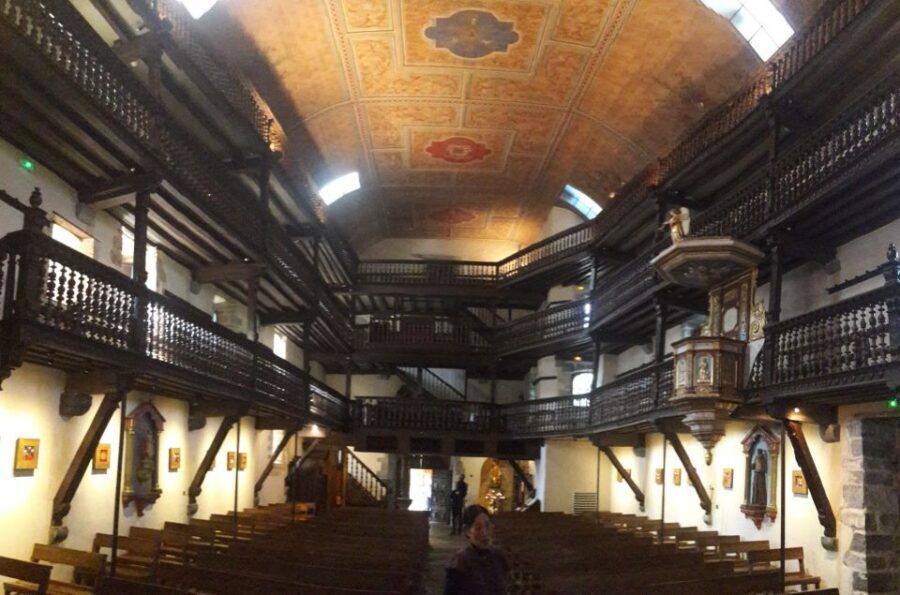
- Ainhoa: a church, a distinctive cemetery, and Basque village form
- Sare and La Rhune: a preserved village at the mountain’s base
- What the private guide brings (and why Daniel’s name comes up)
- Price and value: is $442 per person fair for a full private day?
- Comfort, timing, and what to bring for an 8-hour circuit
- Food and wine: how to plan since it’s not included
- Who this private French-Basque day trip suits best
- Should you book this Basque countryside tour?
- FAQ
- Where does the tour start?
- How long is the tour?
- Is this a private tour or shared group?
- What languages does the guide speak?
- What’s included in the price?
- Are food and drinks included?
- Do I need a passport or ID?
- What is the cancellation policy?
- Is the tour wheelchair accessible or suitable for young children?
Key highlights you’ll care about
- Saint-Jean-Pied-de-Port as a Camino starting point with Basque language still spoken in town
- Bidarray and off-the-track countryside stops that feel like “you found this” travel
- Pass du Roland drive-by to connect the villages to the Pyrenees geography
- Espelette’s Labourd houses and dried red peppers right on the facades
- Ainhoa cemetery details with traditional disc-topped grave markers
- Sare and the La Rhune prehistoric setting in a preserved village
Saint-Jean-Pied-de-Port: the Camino entry with Basque street life
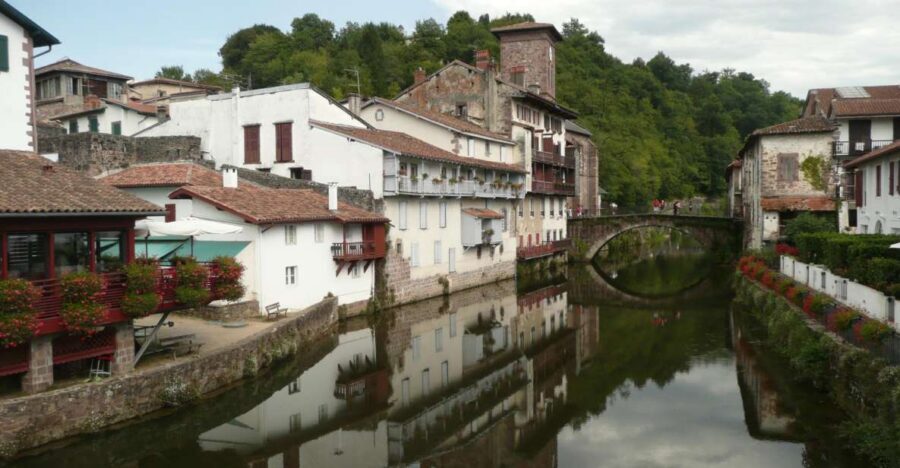
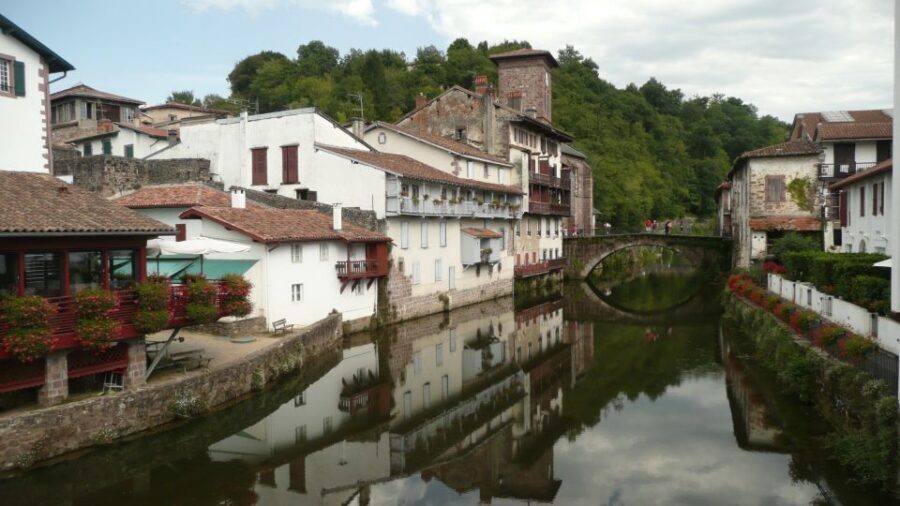
Your day kicks off in Saint-Jean-Pied-de-Port, often treated as the start point for the Camino de Santiago pilgrimage to Santiago de Compostela. That matters because the town isn’t just scenic; it’s a hinge between everyday life and a centuries-old walking route. Even if you’re not doing the Camino yourself, it gives you a strong sense of why travelers have always come this way.
What I like about this first stop is that it’s not only about pilgrims and stone. The Basque language is still spoken on both sides of the border here, so you’re hearing a living language instead of just seeing heritage signs. Your guide typically frames the town’s history through practical details you’ll notice on the streets.
A small consideration: Saint-Jean-Pied-de-Port is also a place people associate with walking routes, so the town atmosphere can feel busy compared with the calmer villages later in the day. If you want quiet-from-minute-one, mentally file this as your “gateway” stop before the slower countryside pieces.
Other private San Sebastian tours we've reviewed
Bidarray: off-the-track Basque countryside with a local pace
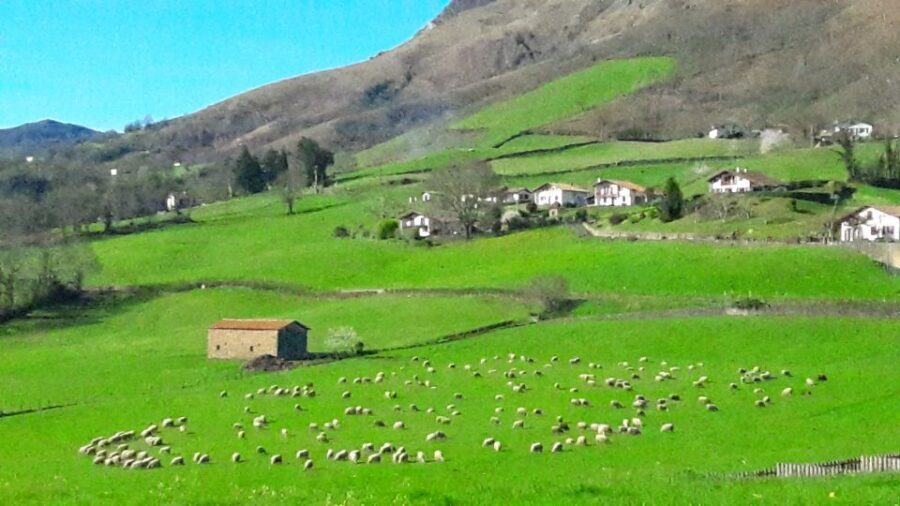
After the Camino start, the tour shifts toward Bidarray, described as an off-the-track countryside town. This is the kind of place where you can feel the rhythm of rural life rather than the pace of tour circuits. You’re less likely to catch the “checklist” vibe and more likely to understand how the land shapes how people live.
This stop is valuable because it gives you a baseline. When later you see special architecture, pepper traditions, or protected village layouts, you’ll understand what’s common across the region. In other words, Bidarray helps everything else land with more meaning.
The drawback to keep in mind is simple: countryside towns mean less built-in entertainment for people who prefer museums or major monuments. If you love reading a place through streets, agriculture, and conversation, you’ll be happy. If you need constant big sights, this is a day where your guide does a lot of the connecting work.
Pass du Roland drive: turning geography into a story
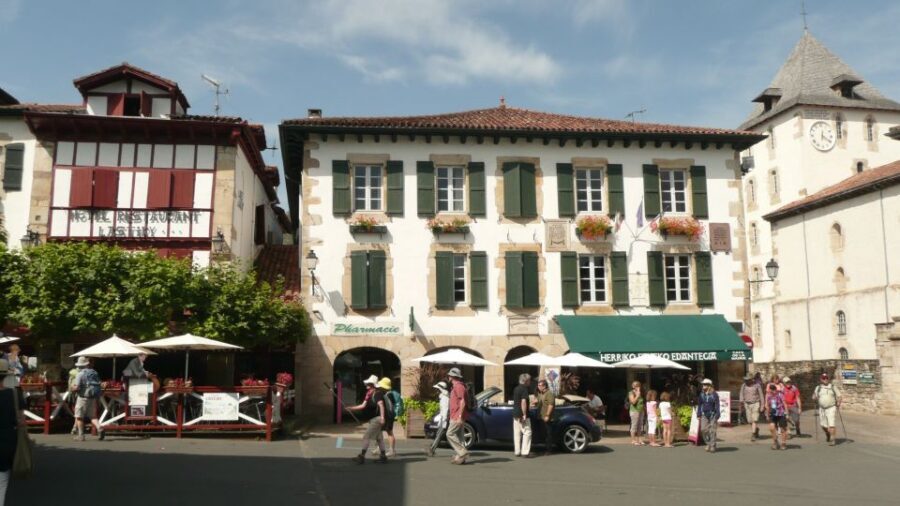
Next comes a drive along the famous Pass du Roland, which is one of those routes that helps you grasp the Pyrenees without making you do the full hiking day. The value here is translation: your guide turns “a road over the mountains” into the reasons people and goods moved through this region.
Even without exact viewpoints listed, you can expect to feel the elevation and the tight relationship between valleys and villages. That connection matters because the Basque towns you’ll visit later didn’t appear randomly on a map. They developed where routes, resources, and community life made sense.
One thing to watch for: if you’re sensitive to motion, a full-day private circuit with driving time may be tiring. The good news is that transport is private air-conditioned, which helps on warm days and keeps the ride comfortable when the schedule runs long.
Espelette: Labourd houses, dried peppers, and producer tastings
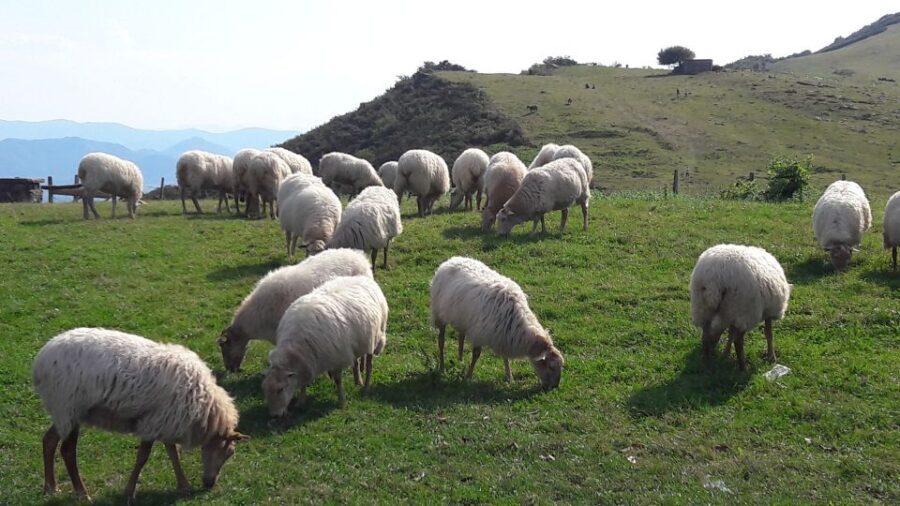
Espelette is where the tour’s food culture gets very real. The town is known for Labourd style houses with dried red peppers hanging from their facades. That’s not just decoration. It’s a visual shortcut to local labor, timing, and how a signature product becomes part of the everyday street scene.
This stop is also where your guide’s explanation can turn a walk into an education. You’re not only looking at peppers; you’re learning how regional products reflect local tastes and practical production methods. When the tour includes visits to local producers, it’s usually in the spirit of helping you understand where the flavors come from.
Because tastings are part of the experience but food and drinks aren’t included as a general rule, you’ll want to think of this as the day’s tasting-focused segment rather than a full meal plan. If you’re the type who wants to try everything, bring a small appetite between stops and plan to pay for extra drinks or a later sit-down meal on your own.
Ainhoa: a church, a distinctive cemetery, and Basque village form
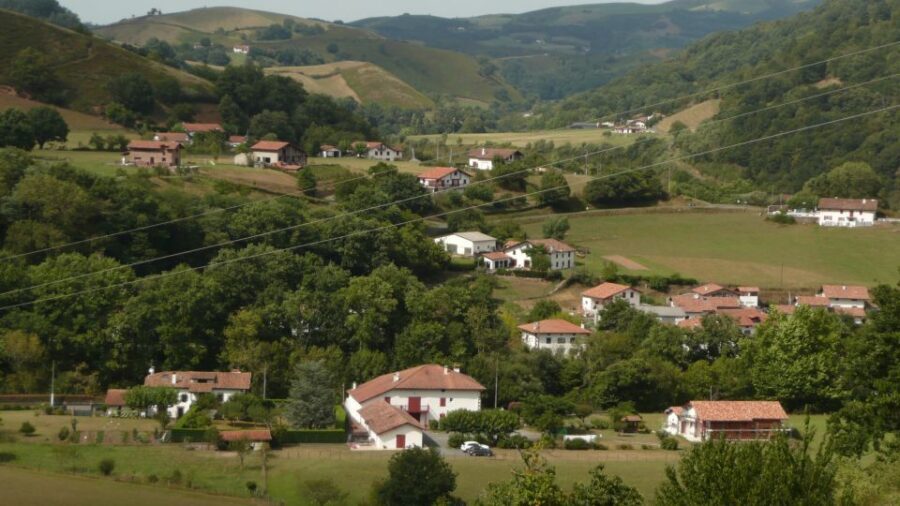
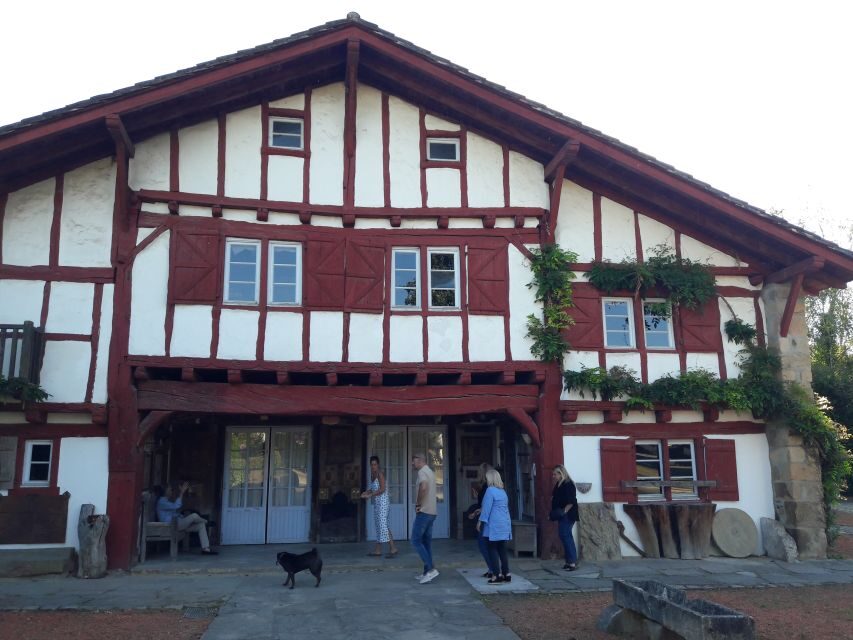
Ainhoa is recognized for its church and for a cemetery with traditional disc-topped monuments. That detail is the kind of thing you’d miss without context, and it’s exactly why a guided route helps. The cemetery design isn’t just odd-at-first-glance; it’s a clue to local customs and how communities mark memory.
You’ll also see the classic village look: white and red houses and a tidy Basque village form. Your guide will likely connect these visual patterns to regional styles and how the community preserves identity across time.
The tradeoff here is that village stops are slower by design. If you’re traveling for nonstop headline sights, Ainhoa may feel quieter than you expect. But if you like the feel of places that keep their identity and don’t rely on big-city attractions, Ainhoa can be the most memorable kind of stop: specific, detailed, and easy to remember later.
Other private tours in San Sebastian

Sare and La Rhune: a preserved village at the mountain’s base
The day ends with Sare, often described as one of the most beautiful villages in the region, positioned at the base of the first mountain in the Pyrenees range: La Rhune. Here, the focus shifts from product and cemetery details to the sense of a place carefully preserved.
Your guide can help you see Sare as more than a postcard. The area is also tied to a major prehistoric site, and that connection is part of why the village matters. You’re seeing how long-term settlement and protection shape what you experience today, from the way space feels to the way streets and buildings hold their form.
As for the physical side, the tour mentions walking the historical part of this side of the Pyrenees. Sare and its surrounding context are the kind of stops where that could mean a short walk through historic lanes and viewpoints rather than a long hike. It’s a good match for most adults who want movement without committing to hours of strenuous climbing.
What the private guide brings (and why Daniel’s name comes up)
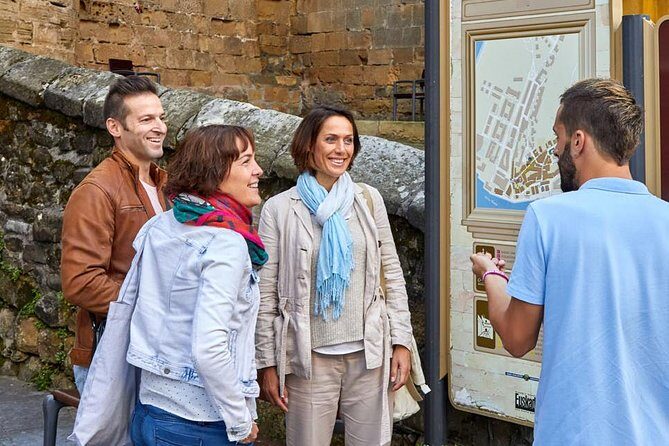
This is a private group experience with a live guide in Spanish, Basque, and English. The practical result is that you can ask questions as you walk, and the guide can adjust the pace depending on your interests. You’re not forced into a one-size-fits-all script.
In particular, the guide Daniel is named in the positive feedback as super knowledgeable and supportive. That matters because a knowledgeable guide changes the meaning of what you see. Instead of just noticing peppers on facades or unusual cemetery markers, you start understanding why those details exist and how people interpret them.
The other important piece is that you don’t handle logistics on your own. You get a private driver service, with private air-conditioned transport and transport costs covered (fuel, tolls, parking). That means your attention stays on the places, not on route planning or parking.
Price and value: is $442 per person fair for a full private day?
At $442 per person for an 8-hour private tour, the price is clearly not a budget “hop on a bus” format. You’re paying for the combination of guide, driver, and transport time in one package.
Here’s the value logic I use when deciding if something like this is worth it: you’re getting several different “types” of stops packed into one day—Camino history, rural Basque life, mountain-route scenery, a signature product town (Espelette), and a preserved village (Sare). Doing that with separate tickets, self-driving, or stand-alone guided segments would likely cost more in time and money, especially if you want the contextual explanations that connect the stops.
The best way to make the price feel justified is to travel as a small group where your per-person share makes sense and you care about the guided storytelling. If you’re a solo traveler and you’re only interested in one or two towns, the private structure may feel expensive. If you want a full, well-connected day and you like tasting local specialties, it can feel like good use of time.
Comfort, timing, and what to bring for an 8-hour circuit
The meeting point is at your accommodation in the San Sebastián area, so you start from where you’re already settled. That helps a lot on a day trip, because you’re not spending time hunting for a departure point or negotiating public transport.
Since the tour is private and runs for 8 hours, you should expect a full day with limited long breaks between towns. Wear comfortable walking shoes for the historical walking segments, and plan for some outdoor time even if you’re mostly driving.
Bring your passport or ID card. That’s specifically called out, and it’s the one practical travel item you don’t want to forget on a day that crosses cultural and border-linked areas.
Food and wine: how to plan since it’s not included
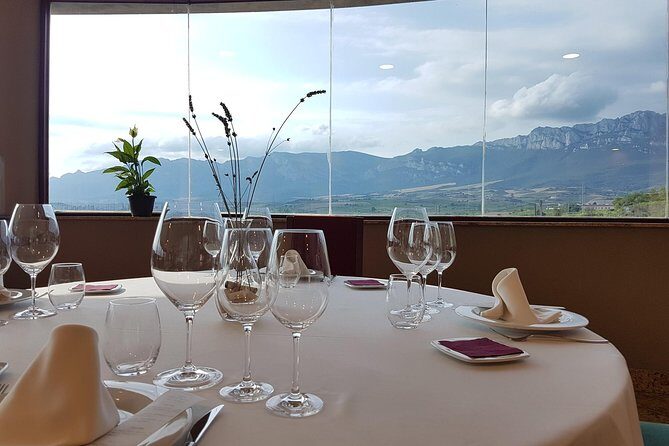
Even though food and drinks are not included, the experience does include moments where you taste local products and wine from producers. Think of it as guided tasting rather than a full meal guarantee.
If you like trying local specialties, you’ll probably find it easy to snack at the right times during the tour, but you’ll still want a plan for at least one proper meal on your own. A simple strategy is to eat a solid breakfast, keep water handy, and then budget for a lunch or late meal after the tastings.
Also, since the region’s specialty (like Espelette peppers) can tempt you with packaged souvenirs, consider having a little extra cash or card readiness for purchases if you end up loving something you try.
Who this private French-Basque day trip suits best
This tour is ideal if you want less touristy towns and more regional texture: the kind of day where peppers, cemetery markers, and Basque language show up in the same itinerary for a reason.
I’d especially recommend it for:
- Couples and small groups who want a private guide and a calm pace
- Travelers who enjoy walking through historic towns more than checking off landmarks
- Food-focused visitors who want tastings connected to the region’s culture
- Anyone curious about how the Camino route and Basque identity intersect
If your priority is huge, famous sights at every stop, you might find the day feels more personal and specific than grand and monumental. But if you like detail, that’s the point.
Should you book this Basque countryside tour?
If your dream Basque Country day includes Camino history, small villages, and guided explanations from a known expert like Daniel, this is a smart choice. The itinerary is built to connect geography, language, and local products in a way that feels coherent rather than random.
I’d skip it if you’re on a tight budget, you hate structured schedules, or you want full meals and drinks handled for you. With the tour’s tastings and your own meal planning, though, it can deliver a very satisfying day of French-Basque culture without you needing to figure out everything yourself.
FAQ
Where does the tour start?
You’ll meet at your accommodation in the San Sebastián area.
How long is the tour?
The duration is 8 hours.
Is this a private tour or shared group?
It’s a private group.
What languages does the guide speak?
The guide is available in Spanish, Basque, and English.
What’s included in the price?
A private guide, private driver service, private air-conditioned transport, and transport costs such as fuel, tolls, and parking fees are included.
Are food and drinks included?
No. Food and drinks are not included, though the experience includes tasting local products.
Do I need a passport or ID?
Yes, you should bring a passport or ID card.
What is the cancellation policy?
You can cancel up to 24 hours in advance for a full refund.
Is the tour wheelchair accessible or suitable for young children?
It is not suitable for wheelchair users and children under 2 years.