There’s something special about eating where the locals shop and cook. I like the hands-on cooking side and the fact that you’ll taste pintxos plus multiple Basque wines across the day. The main drawback: it’s a big food day, so if you don’t enjoy long meals (or you’re not a confident eater), this may feel like too much.
This runs about 8 hours with a small cap of up to 6 people, and it’s guided in English. You start with breakfast, then move through markets (including Mercado de la Bretxa and Mercado de San Martín), before you get into Chef Julen’s kitchen setup and learn by doing.
In This Review
- Key highlights you’ll feel in your day
- From Mercado de la Bretxa to Mercado de San Martín: breakfast and tastings on the route
- Part of the day in Parte Vieja: learning pintxos culture before the kitchen
- The secret kitchen lesson: cook a Basque menu with Chef Julen
- Pintxos, wine, and a handball break in a classic tavern
- What’s on the menu today: pintxos, peppers, cabbage, and sheep-milk curd
- Starter
- Main
- Dessert
- Price and value: what $771.38 buys in an 8-hour small-group day
- Who this tour fits best (and who might feel uncomfortable)
- Tips to get the most from a market-to-secret-kitchen day
- Should you book this market to the secret kitchen experience?
- FAQ
- How long is the experience?
- What food and drinks are included?
- What are the market stops on the itinerary?
- Do we cook and make pintxos ourselves?
- What’s the group size?
- Is the tour offered in English?
- Can I get a full refund if I cancel?
Key highlights you’ll feel in your day
- Breakfast first, then markets: you’ll start the day with a real local rhythm, not just snacks on the move.
- Two pintxos made by you: you cook and assemble them, then eat them right away.
- A full Basque lunch menu: starters, main, and dessert, with wine flowing during key parts of the meal.
- Secret-kitchen style cooking: you’ll cook together in a locals’ space, not a show kitchen.
- Food + culture breaks: handball time plus a classic tavern stop for street-level atmosphere.
- Seasonal cooking choices: some parts of the menu adjust with what’s fresh that season.
From Mercado de la Bretxa to Mercado de San Martín: breakfast and tastings on the route
The day starts with breakfast, which matters more than it sounds. When you eat early, you can enjoy the market stops without feeling rushed or turning picky halfway through. You’ll then head into the food life of San Sebastián, starting with Mercado de la Bretxa.
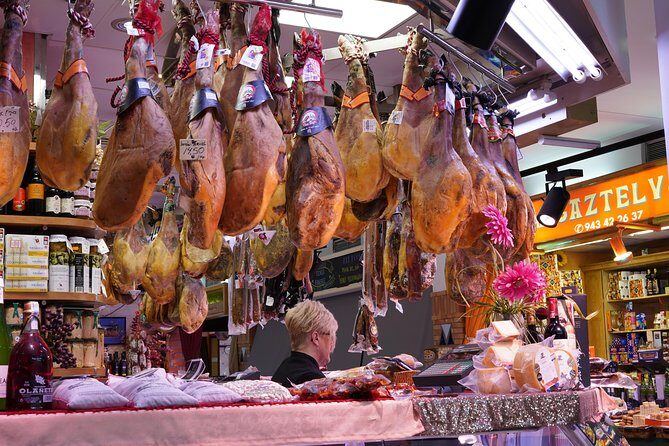
This market is where you’ll get your first taste of how Basque food thinking works: product first, then flavor. Expect tasting moments as you browse, plus time to look at the kind of stalls and shops locals keep returning to. The guide-style you get here is practical—what to buy, what to notice, and why certain ingredients matter.
Next comes Mercado de San Martín, where the “shopping with a purpose” feeling continues. Rather than treating markets as a museum, you’re using them as a living ingredient lesson. I like that you’re not just looking—you’re tasting along the way, so the food later in the kitchen makes instant sense.
Possible drawback: market days can involve some walking and standing. If you want a purely sit-and-eat tour, this route may ask more from you than you expected.
Other shopping tours in San Sebastian
Part of the day in Parte Vieja: learning pintxos culture before the kitchen
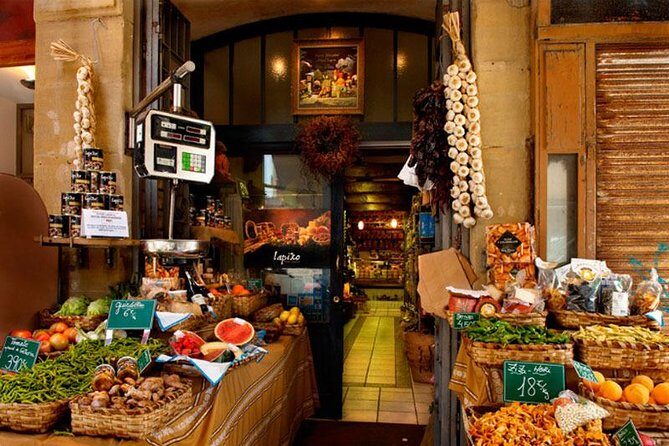
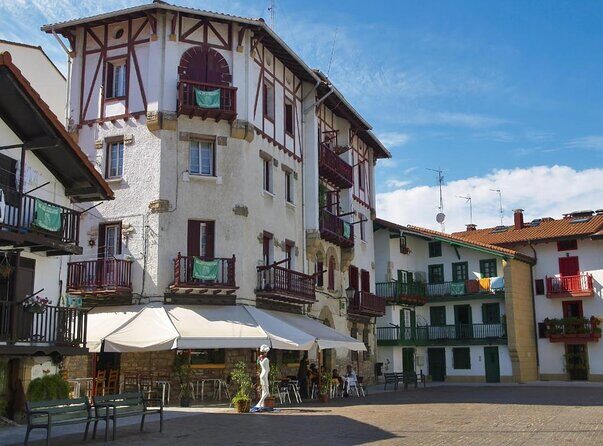
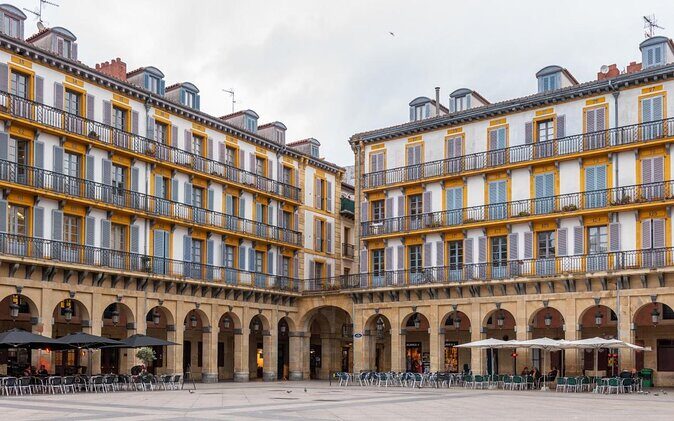
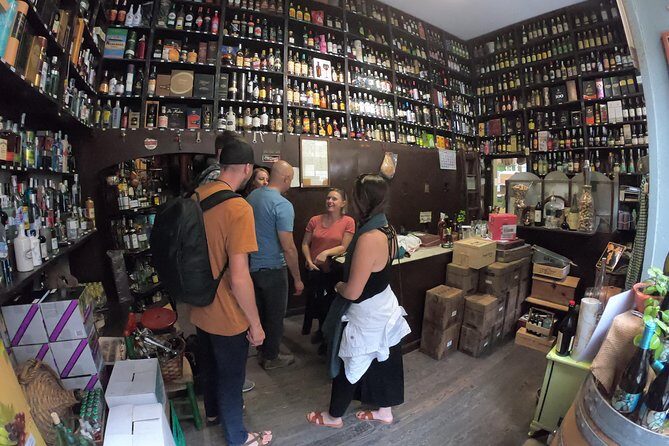
After the market work, you transition toward Parte Vieja, San Sebastián’s old-town zone. This is a smart move because pintxos culture clicks faster once you’ve already smelled and tasted your way through ingredients.
In Parte Vieja, you’re in the right setting to understand why pintxos aren’t just bar food. They’re part of the social rhythm—small plates, lots of ordering, and a playful way to try several things without committing to one big meal right away. Even before the cooking begins, you get the sense of how the day will unfold: tastes now, technique later.
This is also where the tour’s structure stays flexible enough to feel human. You’ll be walking through local shop life, and the pace gives you time to ask questions. If you have food or drink preferences, this is the kind of day where you’ll want to mention them before the shopping work starts so adjustments are possible.
The goal isn’t to “speedrun” old town. It’s to give you context—so when you later assemble pintxos yourself, it doesn’t feel random.
The secret kitchen lesson: cook a Basque menu with Chef Julen
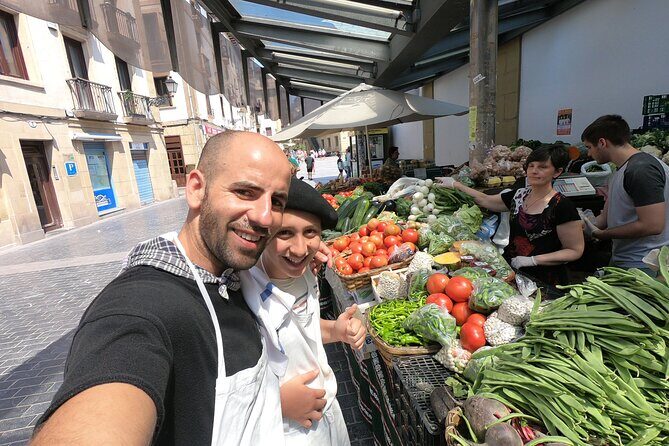
The cooking portion is the heart of the experience. This is where you move from tasting and learning to actual technique—because you’re cooking together in a special locals-style kitchen space.
Chef Julen leads the day, and the tone is friendly and teach-by-doing. You’ll work through a full menu flow: starters, a main course, and dessert. While that’s happening, you’ll also make two traditional pintxos, timed so you can eat them right away.
One thing I really like about this setup is that it matches how Basque meals feel in real life: multiple small moments, then a proper table meal. And you don’t just watch food land on plates. You’re involved in the process that gets it there.
You’ll also find that the day’s cooking isn’t just about one dish. You’ll learn a broader menu logic—how flavors connect across starter, main, and dessert. If you care about understanding Basque cooking rather than just consuming it, this part does the job.
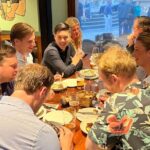
When the food is ready, the meal moves to a shared-table style. The food is set out, and everyone eats at their own pace—so you’re not stuck waiting for courses in a rigid line.
Pintxos, wine, and a handball break in a classic tavern
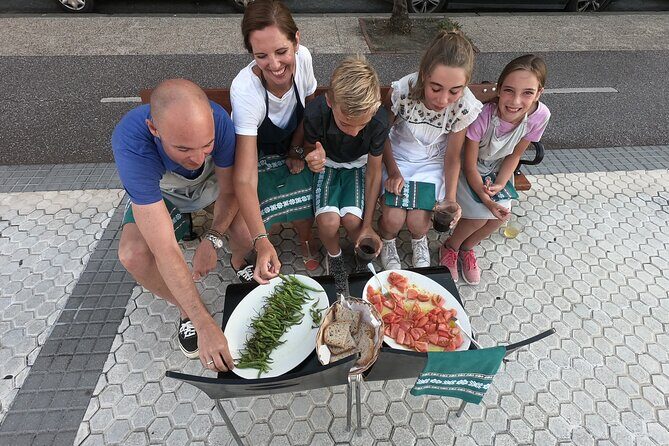
Food tours can sometimes forget that meals are also about atmosphere. This one doesn’t. As you cook and eat, you’ll be paired with traditional local wines throughout the day, not just one token pour.
Then the program takes a fun left turn: you go play handball, the Basque sporting tradition that shows up in everyday culture. It’s a great break from kitchen concentration, and it’s the kind of activity that makes the day feel like more than dinner.
After the handball moment, you’ll have a drink in a classic tavern, focusing on street-level character. This part matters because San Sebastián’s food scene isn’t just indoors. You’re meant to feel the neighborhood energy while you relax and swap stories with your small group.
Later, after lunch, the schedule continues with coffee and a classic local liquor, then some quiet time to linger as you want. That pacing is a quiet win: you’re not forced to sprint to the next stop the moment you finish eating.
Consideration: with wine included and alcohol later in the day, plan to pace yourself. If you’re the type who likes tasting every pour, you’ll have fun. If you prefer minimal alcohol, tell the guide early so the day can fit your comfort level.
What’s on the menu today: pintxos, peppers, cabbage, and sheep-milk curd
You’ll eat a classic lunch menu, and it’s not a vague “chef’s choice” situation. The sample menu gives you a clear picture of where the kitchen is headed—plus it explains the ingredient approach behind it.
A few more San Sebastian tours and experiences worth a look
Starter
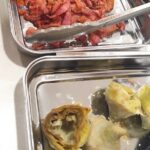
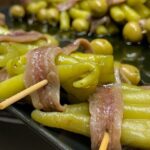
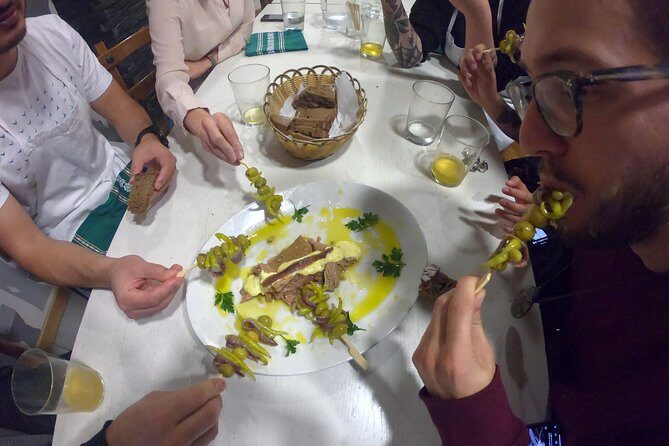
You’ll start with two classic pintxos and a portion of fried green peppers with jamón de bellota. That jamón detail is important. Bellota ham usually signals a higher-end quality marker, and it’s a great anchor for understanding Basque flavors—salt, fat, and smoke working together.
Main
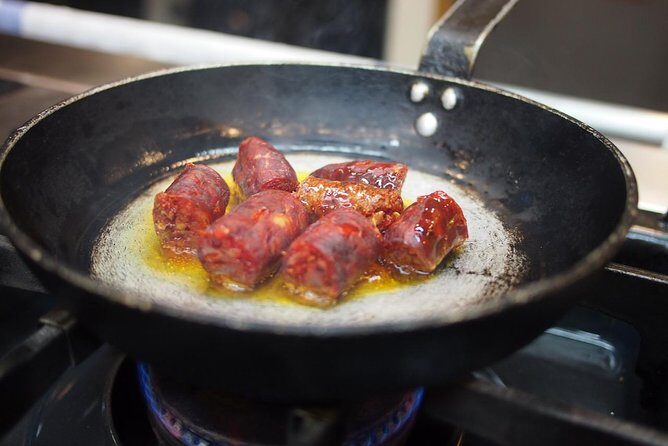
The main leans deep into classic comfort food: cabbage with red beans and chillies and chorizo, plus black pudding and bacon. This is exactly the kind of dish that tastes “wintery” and satisfying without needing fancy tricks. It’s hearty, grounded, and very Basque in feel.
You’ll also see how the kitchen approach is practical: everyone eats as they please from what’s set on the table. That lowers pressure and makes the meal feel like a shared family-style lunch rather than a restaurant performance.
Dessert
Dessert is curd with nuts and honey. The curd is made with raw milk from local sheep, and the honey and nuts are also described as local and natural. If you love dairy desserts, this part can be a standout because it’s tied to ingredient identity, not just sweetness.
One more real value note: the menu can vary by season. That means you’re not just getting one “default” Basque meal. You’re getting what the kitchen considers best with fresh produce that time of year.
Price and value: what $771.38 buys in an 8-hour small-group day
At $771.38 per person, this isn’t a casual, off-the-shelf food tour. You’re paying for a full-day structure with multiple components that would be expensive if you bought them separately.
Here’s what the price is really buying you:
- Markets + guided tasting moments: you’re not just walking through; you’re sampling while learning what matters.
- Hands-on cooking in a special locals’ space: not a demo, not a watch-only class.
- Two pintxos you make yourself, plus time to eat them on the spot.
- A full classic menu (starter, main, dessert).
- Multiple wine tastings, plus coffee and a classic local liquor later.
- Cultural add-ons: handball time and a tavern stop.
Because the group size is capped at 6, you also get a more personal pace than big, noisy tours. That’s important when you’re cooking and asking questions—small group matters for comfort, food flow, and interaction.
You’ll also see that the day includes group discounts and you get a mobile ticket, which can make it easier to plan. Still, this price makes the most sense if you’re the type who wants a serious food day—one that includes real learning, not only eating.
Who this tour fits best (and who might feel uncomfortable)
This works best if you:
- Love markets and ingredient-led cooking.
- Want a clear Basque menu experience (pintxos, wines, hearty lunch).
- Enjoy learning by doing, especially if you like cooking technique more than sitting in silence.
- Want a guided path through San Sebastián that feels grounded in local food life.
You might want to choose something else if:
- You hate long meals or feel overwhelmed by lots of food.
- You don’t drink wine and would prefer a mostly non-alcohol day (though you can share preferences beforehand).
- You’re looking for a quick tasting tour with lots of free time and minimal structure.
Also, because the tour includes handball and involves time on your feet, a basic comfort with walking helps.
Tips to get the most from a market-to-secret-kitchen day
If you want this to go smoothly, come prepared in a very simple way: come hungry and plan for a long feeding schedule.
A few practical habits help:
- Eat lightly before the start so the breakfast still feels good, not forced.
- If you have food restrictions or specific drink preferences, tell the guide before shopping begins.
- Expect the day to include both structured meals and a bit of relaxed hanging out in tavern-style atmosphere. Wear shoes you can stand in.
- Pace your wine tastings. The point isn’t to rush every sip—it’s to taste and learn what you’re drinking with each stage of the day.
One small bonus from the overall flow: because you’ll cook, you’ll remember the dishes better. You’re not just collecting flavors—you’re connecting them to choices and steps.
Should you book this market to the secret kitchen experience?
I’d book it if you want more than a food highlight list. This is a true “day of food” built around Basque culture: markets first, then hands-on cooking, then pintxos, wine, and a classic lunch that sits heavy in the best way.
It’s also a smart choice if you like small-group formats, because up to 6 people keeps the day personal and makes it easier to ask questions while you’re cooking. And the menu structure—starter, main, dessert—means you leave with a complete sense of what Basque eating can feel like.
Skip it if you’re after something short, light, or strictly alcohol-free. This is designed to feed you, educate you, and keep you moving through San Sebastián’s food world.
FAQ
How long is the experience?
It lasts about 8 hours.
What food and drinks are included?
You’ll start with breakfast, then do market tastings, cook and eat pintxos, enjoy a full classic lunch menu (starter, main, dessert), and finish with coffee and a classic local liquor. The schedule also includes wine tastings during the day, and a local cigar is mentioned as a possibility after the meal.
What are the market stops on the itinerary?
The route includes Mercado de la Bretxa, Mercado de San Martín, and time in Parte Vieja.
Do we cook and make pintxos ourselves?
Yes. You’ll cook together a Basque menu (starters, main course, and dessert) and also make 2 traditional pintxos to eat right away.
What’s the group size?
There’s a maximum of 6 travelers.
Is the tour offered in English?
Yes, it’s offered in English.
Can I get a full refund if I cancel?
Yes. You can cancel for a full refund up to 24 hours in advance of the experience start time.