REVIEW · SAN SEBASTIAN
The Real Basque Way: San Sebastian, Beyond the Stars
Book on Viator →Operated by Culinary Backstreets Walks · Bookable on Viator
Basque food tells the story fast. This 4 to 5 hour walk shows you how San Sebastián’s best eating habits work in real life, not just on big menus. I love the way it starts with a top-notch tortilla at a locals’ cafe and then keeps moving through market-to-workshop food links, including kokotxa fish necks and a Basque-origin chocolate tradition tied to Mexico. The biggest possible drawback: it’s a walking format, so you’ll want comfortable shoes and a bit of stamina.
I also appreciate the small group size (max 7) and the practical pacing, so you get time to taste and ask questions without feeling rushed. In one standout guide experience, I heard how Astrid made the day feel personal—connecting food to neighborhood history and everyday domestic life, then wrapping it up with wine tasting and cheese sampling.
In This Review
- Key highlights you’ll care about
- Why this San Sebastián food walk works (and how to use it)
- Parte Vieja: tortilla, the kokotxa market line, and a chocolate workshop bridge
- Puente de Santa Catalina: crossing toward the Urumea and tasting the city between Michelin and neighborhood
- What you actually get: breakfast, lunch, snacks, and Basque beverages
- Price and logistics: $175 for a small group and easy meeting access
- Guide impact: why Astrid-style storytelling makes the flavors stick
- What to expect at each stop, in plain terms
- Who should book this Real Basque Way tour
- Should you book The Real Basque Way: San Sebastián, Beyond the Stars?
- FAQ
- FAQ
- How long is the tour?
- Where does the tour start and end?
- What’s the group size?
- Is the tour offered in English?
- What’s included in the price?
- Are there admission tickets included?
- Do I need to arrange transportation?
- What’s not included?
- What’s the cancellation policy?
Key highlights you’ll care about
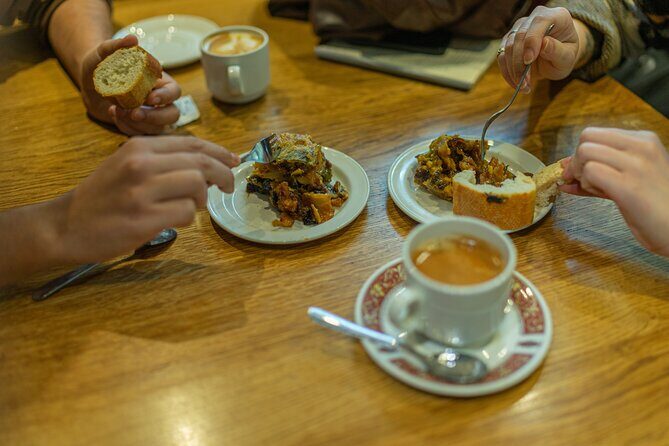
- The tortilla is the opening act: crunchy outside, oozy inside, served at a busy locals’ cafe.
- Kokotxa by the kilo: you’ll see fresh market habits around Basque fish necks.
- A Basque-origin chocolate story: you’ll stop at a workshop reviving a tradition that connects the port to Mexico.
- Seasonal tastings at working restaurants: fish stew, anchovies, cider, and txakoli show up based on the time of year.
- Small-group access: up to 7 travelers with included breakfast, lunch, snacks, and alcohol.
Why this San Sebastián food walk works (and how to use it)
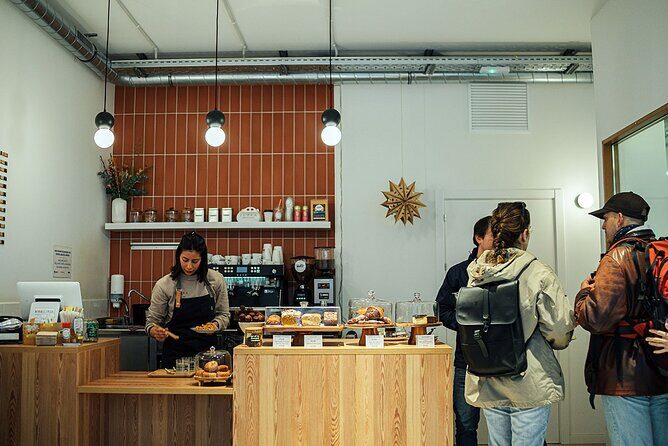
San Sebastián can be split into two food worlds: the big-name, high-profile tasting rooms and the quieter neighborhood places where cooking is less about spectacle and more about routine. This tour helps you see that second world first, then shows how it feeds the first.
Here’s the part that feels most useful: you don’t just get samples. You get context for how people choose food—what they buy at markets, how chefs and shop owners think about quality, and where new ideas start before they land in Michelin-level dining. You walk between places in a way that makes the city’s geography feel logical: old streets first, then the river-and-sea edge by the bridge area.
Also, because the day includes breakfast, lunch, snacks, and alcoholic beverages, it’s easier to plan your own evening. You won’t leave hungry, and you won’t spend the rest of the day comparing prices like you’re doing math class.
If you're still narrowing it down, here are other tours in San Sebastian we've reviewed.
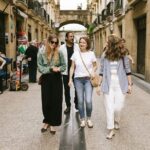
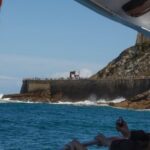
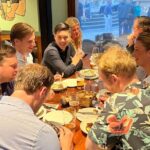
Parte Vieja: tortilla, the kokotxa market line, and a chocolate workshop bridge
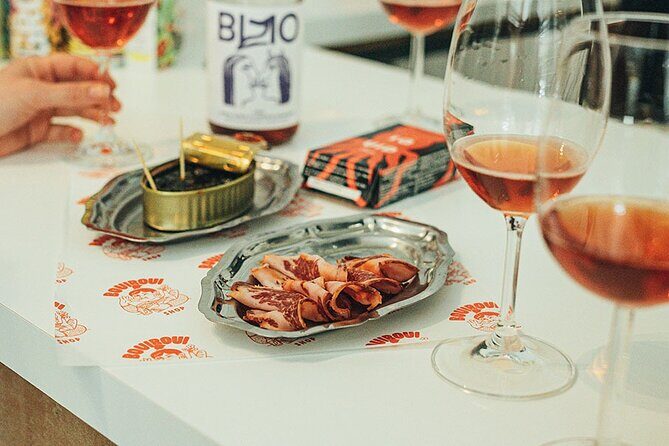
Your day begins in Parte Vieja, the old quarter where San Sebastián’s food culture feels closest to street level. The first stop sets the tone: a busy locals’ cafe where you start with a tortilla that hits that ideal Basque combo—crunchy and oozy at the same time. This isn’t a side dish here. It’s a baseline. It helps you calibrate what people mean when they say a place is good.
Next comes a neighborhood market stop where chefs and grannies line up to buy fresh kokotxa, fish neck, typically by the kilo. Seeing that line matters. It shows you that kokotxa isn’t treated like a rare luxury; it’s a real ingredient with real demand. If you’ve only had seafood tapas in tourist zones, this is where the ingredient gets translated into local buying behavior.
After the market, you meet a cheesemaker—one of those stops that turns tasting into understanding. Cheese in the Basque Country isn’t just a flavor at the end. It’s part of a longer food chain, and you’ll get a sense for craft thinking that’s local, not trend-chasing.
Then you go to a workshop connected to a Mexican of Basque origin who’s reviving a chocolate tradition. The cool angle here is the link between a working port city and family food memories across the ocean. Chocolate can sound like dessert, but on this stop it’s treated as cultural trade—something that once connected people, and now connects a new generation to older habits.
Possible drawback to keep in mind: Parte Vieja is compact and active. If you’re sensitive to crowds or noise, you’ll feel it at the cafe and market spots.
Puente de Santa Catalina: crossing toward the Urumea and tasting the city between Michelin and neighborhood
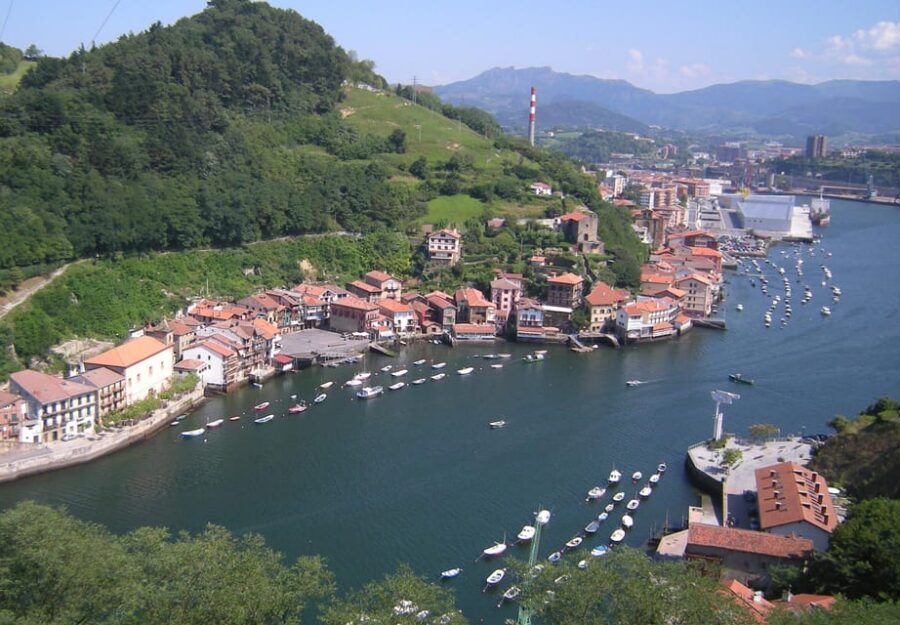
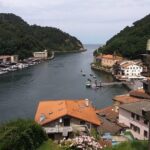
After Parte Vieja, you head out of the historic center and cross the bridge at Puente de Santa Catalina. The setting has a strong sense of place: you’re moving where the Urumea river meets the Cantabrian Sea, and you can feel that transition from old streets to a working edge of the city.
This is where the tour shifts from “traditional ingredients” to “current eating habits.” You’ll step into a cluster of restaurants and food shops run by a tight circle of culinary professionals filling the gap between the Michelin spotlight and simpler neighborhood places. That gap is where you often find the most interesting changes—new staff, new pairings, and flavors that haven’t yet been standardized for big dining rooms.
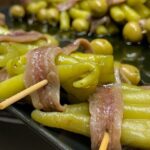
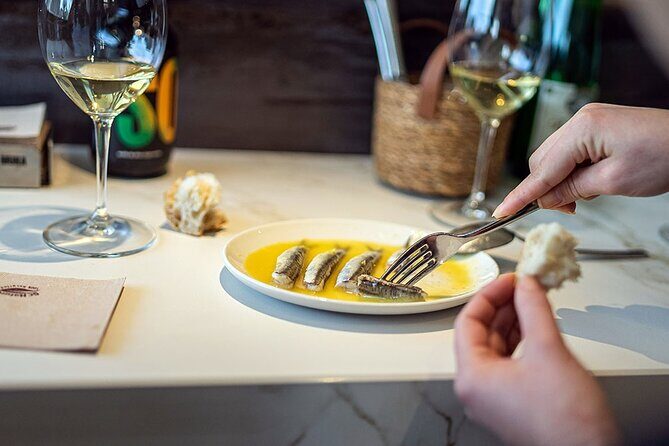
The tastings here are seasonal, so you might get a homey fish stew or you might get exceedingly fresh and delicate Cantabrian anchovies. Either way, the point is the freshness and the idea of letting the seafood lead.
On the drinks side, there’s often an artisanal cider or a sip of txakoli, the classic Basque white wine. Txakoli is typically minerally and sea-linked, so it pairs naturally with seafood rather than covering it up. If you’re the type who likes to drink with your food instead of around it, you’ll probably enjoy this part.
One more reason this section is valuable: you’ll meet young leaders of the city’s pioneering kitchens. The tour doesn’t treat them like famous chefs you’d see on TV. You get a more human sense of how restaurants evolve—through people, ideas, and the willingness to test what works.
What you actually get: breakfast, lunch, snacks, and Basque beverages
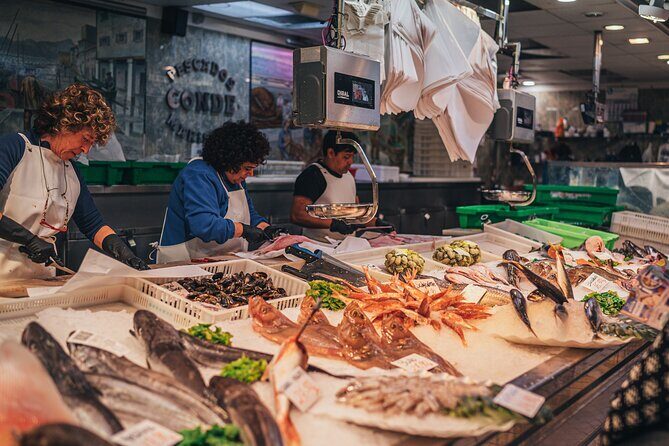
This isn’t a “snack-only” walking tour. It’s meal-forward. You’re set up for a full food day with:
- Breakfast
- Lunch
- Snacks throughout
- Alcoholic beverages (included)
That matters for value. At $175, the price is easier to justify because you’re not paying separately for each stop’s food and drinks. You’re paying for a curated route, access to tastings, and a guide who helps you connect what you taste to why people in San Sebastián eat that way.
Since the itinerary includes both a morning start in the old quarter and a later tasting cluster near the bridge, the day feels structured. You don’t need to plan where to eat between stops. You just show up and let the route do the work.
One practical note: because alcohol is included, pace yourself. You’ll likely feel full by the time you reach the second area, and you’ll enjoy the final tastings more if you keep a comfortable rhythm.
Price and logistics: $175 for a small group and easy meeting access
The tour runs about 4 to 5 hours and is priced at $175 per person. You’ll typically book around a month in advance (about 29 days), which suggests this one fills up. With the group maxed at 7 travelers, you’re paying for access and attention—smaller groups usually mean more talking, more tasting, and fewer awkward minutes spent waiting in line.
For logistics, the start point is right at Hotel de Londres y de Inglaterra, located on Zubieta Kalea, 2 in San Sebastián. It ends back at the same meeting point. That round-trip approach makes it easier if you’re carrying a bag or trying to connect to another plan afterward.
Two more helpful points:
- You get a mobile ticket.
- It’s near public transportation, and private transportation isn’t included.
If you’re traveling without a car, that’s a plus.
Guide impact: why Astrid-style storytelling makes the flavors stick
Good food tours fail when they reduce everything to trivia. This one aims higher, and it shows in the way guides explain food as part of local life.
A guide named Astrid is called out in past experiences for connecting the dots between culinary development and everyday domestic life, not just listing what you’re tasting. That tone matters. When you hear why people buy kokotxa, or how local makers think about cheese, your tasting stops feeling random.
You also get that comfortable, not-rushed pace. Reviews describe the walk as fascinating and paced well, and the itinerary length backs that up: about 3 hours in the first section and about 2 in the second, with tastings built in.
And there’s a fun added touch for repeat-visit energy: there’s a Culinary Backstreets Passport concept where you can collect stamps for what you’ve done. It’s not required for enjoyment, but if you like tracking your food wins, it’s a nice souvenir-style system.
What to expect at each stop, in plain terms
Here’s a practical way to mentally map the day:
Stop 1 (Parte Vieja, about 3 hours):
- Start at a busy locals’ cafe with the tortilla baseline.
- Go to a neighborhood market where kokotxa is bought fresh.
- Visit a cheesemaker.
- Stop at a workshop tied to Basque-origin chocolate and its Mexico connection.
- You’ll be eating throughout, so don’t plan a heavy breakfast beforehand.
Stop 2 (Puente de Santa Catalina area, about 2 hours):
- Cross toward the Urumea-river-and-sea edge.
- Taste at restaurants and food shops run by local culinary professionals.
- Enjoy seasonal seafood options like fish stew or Cantabrian anchovies.
- Sip txakoli or artisanal cider, depending on what’s on offer.
- Meet young leaders shaping today’s San Sebastián food scene.
If you’re the type who likes to take photos, bring your usual habits: pocket space for tasting, and keep your phone away during the most crowded market moments so you can actually taste and talk.
Who should book this Real Basque Way tour
This experience is a strong fit if you:
- Want a San Sebastián food tour that focuses on real neighborhood eating, not just famous dining rooms.
- Love Basque specialties like tortilla, seafood, cheese, kokotxa, and txakoli.
- Prefer a small group (max 7) where you can ask questions and keep moving at a comfortable pace.
- Like food history tied to people—market makers, workshop crafts, and restaurant teams.
It’s also a good choice if you want value that feels less like a ticket and more like a guided day of eating—breakfast, lunch, snacks, and alcohol are all included.
If you hate walking, or you’re not comfortable with active old-quarter streets, then you might want a different style of tour. The day is short enough to be doable for most people, but it’s still a walk.
Should you book The Real Basque Way: San Sebastián, Beyond the Stars?
Yes, if your idea of a great day in San Sebastián is eating your way through the city’s working food culture. The biggest strengths are the route logic and the ingredient variety: tortilla and kokotxa set the fundamentals, cheese and Basque-origin chocolate add craft depth, and the Puente de Santa Catalina area gives you seasonal seafood and Basque drinks in places that sit between Michelin and everyday life.
Skip it only if you’re looking for a purely sightseeing tour, or if you’d rather pay for meals à la carte instead of getting a full included food-and-drink day.
FAQ
FAQ
How long is the tour?
It lasts about 4 to 5 hours total.
Where does the tour start and end?
It starts at Hotel de Londres y de Inglaterra on Zubieta Kalea, 2, and it ends back at the same meeting point.
What’s the group size?
The tour has a maximum of 7 travelers.
Is the tour offered in English?
Yes, it’s offered in English.
What’s included in the price?
The price includes breakfast, lunch, snacks, and alcoholic beverages.
Are there admission tickets included?
Admission tickets are free for the tour stops listed.
Do I need to arrange transportation?
Private transportation is not included, but the tour is near public transportation.
What’s not included?
Private transportation is not included.
What’s the cancellation policy?
You can cancel for a full refund if you cancel at least 24 hours before the experience’s start time, and cancellation is free under that timeframe.