REVIEW · SAN SEBASTIAN
Authentic Basque Cooking Class in San Sebastian Old Town
Book on Viator →Operated by Devour San Sebastian Food Tours · Bookable on Viator
San Sebastián at night smells like dinner for a reason. This small-group Basque cooking class lets you cook five signature dishes in a historic kitchen, then sit down to eat what you made with cider and wine. I love the mix of real kitchen time and the explanations from guides like Mila, Begona, and Gorka; and I especially like that the chef team sets a relaxed pace while still teaching clear steps. One heads-up: the whole experience is standing up, and it may not feel like a full-on cook-every-minute workshop.
You start in Parte Vieja (Old Town), meet your hosts at De Valle Lersundi Plazatxoa, 1, and head into a restaurant space opened just for your group (max 10). The menu is fixed and focused: Gilda pintxos, Spanish potato omelet, cod in pil pil, stuffed red piquillo peppers, and a burnt cheesecake. From the guide side, you get the dish stories, not just how-to.
If you hate standing, or you’re hoping for a fully vegetarian class, plan carefully. The format also means you’ll do plenty, but not every second is hands-on for everyone (the chef shares, demonstrates, and then you take turns cooking).
In This Review
- Key things that make this class work in San Sebastián
- First contact in Parte Vieja: meeting spot and what the 6:00pm timing means
- The kitchen setup: a historic family restaurant opened for your group
- What you cook: five Basque classics (and why the order matters)
- Gilda pintxos (your build-your-own start)
- Spanish potato omelet (tortilla) at the center of the plate
- Cod in pil pil sauce: the sauce-focused moment
- Stuffed red piquillo peppers: hands-on structure and plating
- Burnt cheesecake: the Basque dessert payoff
- The wine and cider pairings: included, but not random
- Two hosts, one goal: stories that make the food stick
- How much hands-on cooking should you expect?
- Price and value: what $167.74 buys you in the real world
- Who this cooking class is best for (and who should think twice)
- Practical tips so you enjoy every course
- Should you book this Authentic Basque Cooking Class in San Sebastián?
- FAQ
- FAQ
- How long is the Basque cooking class in San Sebastián?
- What’s included in the price?
- Where does the class start?
- What time does it start?
- Is the class in English?
- What’s the group size like?
- Are there non-alcoholic options?
- Can I join if I’m vegetarian or vegan?
- Is it suitable for children?
- Is the experience all standing and walking?
Key things that make this class work in San Sebastián
- Five Basque dishes in about 2.5 hours, built around a complete, sit-and-eat meal
- Max 10 people with two hosts, which keeps the instruction personal
- Drink pairing built into the meal, with Basque cider and included wine
- You leave with recipes and an apron, so you can try again at home
- Guides like Mila, Mikel, Begona, and Gorka bring context while the chefs keep it practical
First contact in Parte Vieja: meeting spot and what the 6:00pm timing means
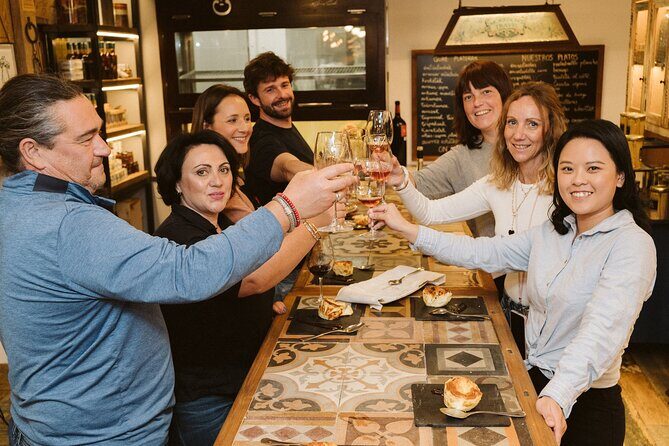
The start time is 6:00 pm, and that matters. San Sebastián moves at a dinner pace, and this class is scheduled so you’re not just eating later—you’re building your own Basque meal right as the old town wakes up for the evening.
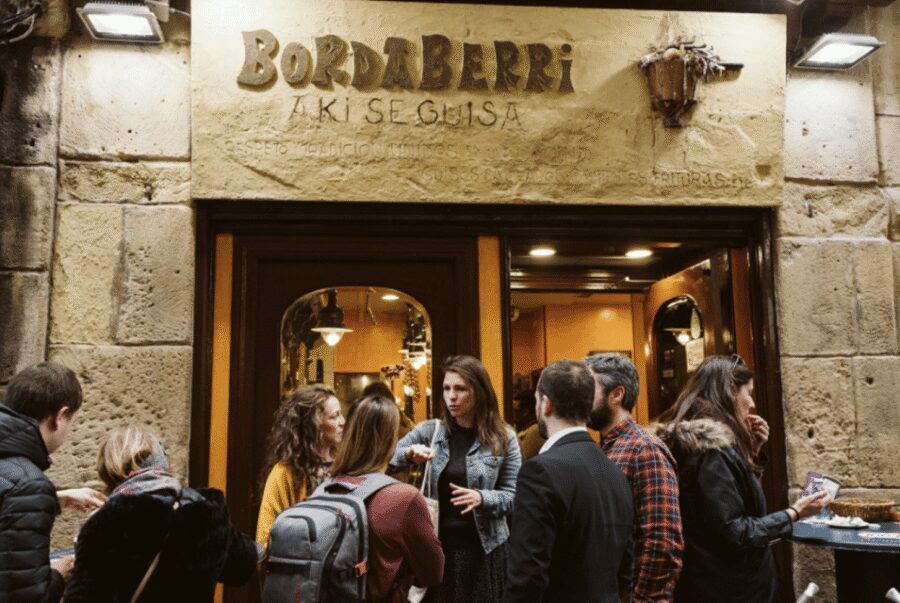
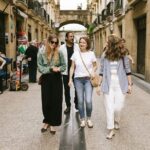
Your meeting point is De Valle Lersundi Plazatxoa, 1 (20003 Donostia / San Sebastián). It’s a simple meet-and-go setup: show up near public transport, find your guide and group, then get ready to move on foot. Old Town here is pedestrian territory, so expect a walk that’s more about short sections and quick transitions than long sightseeing.
The overall vibe is practical. You’ll have a closed space where you can leave your belongings, but plan on standing for the whole experience. That’s not a dealbreaker for most people, but it does change the feel of the class. Wear comfortable shoes, and don’t assume you’ll be seated while you cook.
Other Basque cooking classes in San Sebastian
The kitchen setup: a historic family restaurant opened for your group
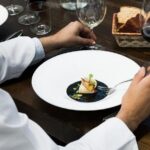
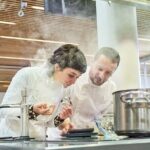
This class happens inside a historic, family-run restaurant that opens its kitchen specifically for your small group. That’s a big part of why it feels different from the typical demo-style class. You’re in a working kitchen environment—professional, organized, and designed for food to move quickly.
Two hosts run the experience:
- a local guide (for the dish stories and context), and
- a professional chef (for the cooking direction and technique)
You’ll likely see a rhythm of demonstration and hands-on rotation. Even when the chef takes the lead, the class is set up so you’re not just watching. In the better moments, you’ll be chopping, stirring, plating, and then turning to the next dish without long pauses.
One more useful detail: you’re not stuck in a huge group. With 10 people or fewer, it’s easier to hear instructions, ask questions, and get the kind of feedback that helps you repeat the dishes later.
What you cook: five Basque classics (and why the order matters)
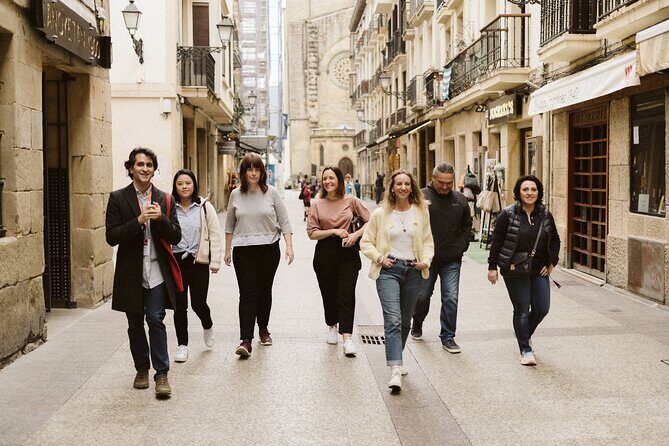
The menu is designed like a meal, not like five random samples. You cook your way through the meal and then sit down at the end to enjoy what you made.
Gilda pintxos (your build-your-own start)
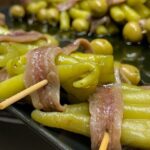
You begin with Gilda pintxos, a Basque classic known for being compact, salty, and perfect with a drink. A build-your-own format is smart early in the class: it gets you confident with the basic idea of pintxos assembly and gives you something to taste quickly.
This dish also works as a warm-up to the rest of the menu. Once you’re comfortable putting together pintxos, you’re ready for dishes that require more care and timing.
Spanish potato omelet (tortilla) at the center of the plate
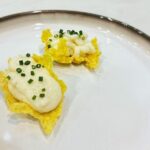
Next comes the Spanish potato omelet, which might sound simple—but that’s why it’s such a good teaching dish. Omelet cooking rewards patience and technique, and the class format lets you practice the core steps in a real kitchen setting.
You’ll learn what makes Basque and Spanish versions feel different, and how to treat the omelet like something you can execute consistently rather than luck your way through.
Other cooking classes in San Sebastian

Cod in pil pil sauce: the sauce-focused moment
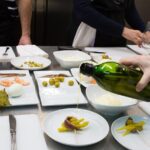
Then you shift to cod in pil pil sauce, a signature Basque flavor profile. Reviews and class descriptions point out that you’ll learn the technique side of things here, especially around sauce preparation.
This is a good dish for people who want more than basic recipes. It’s also a dish that tends to impress when you try to remake it at home, since the appeal is often in how the sauce comes together (not just in the seafood).
Stuffed red piquillo peppers: hands-on structure and plating
You then cook stuffed red piquillo peppers. This part of the menu typically gives you more “doing” time: you’re shaping and assembling something you can clearly recognize on the plate.
It’s also a nice contrast to the cod dish. If one course feels light and sauce-driven, the peppers bring structure and a different kind of satisfaction when they come out ready to serve.
Burnt cheesecake: the Basque dessert payoff
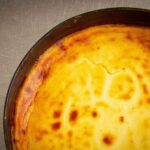
Finally, you make the renowned burnt cheesecake. It’s the dish people remember later, and it’s also the one that shows you how Basque dessert can be both simple and distinctive.
Even if you don’t consider yourself a “baking person,” the class is set up so you’re walking away with a recipe you can follow. You’ll also leave with a clear explanation of what makes the cheesecake style worth seeking out in San Sebastián.
The wine and cider pairings: included, but not random
A Basque meal isn’t just food. It’s also drinks that match what you’re eating.
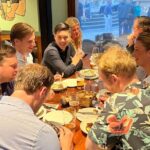
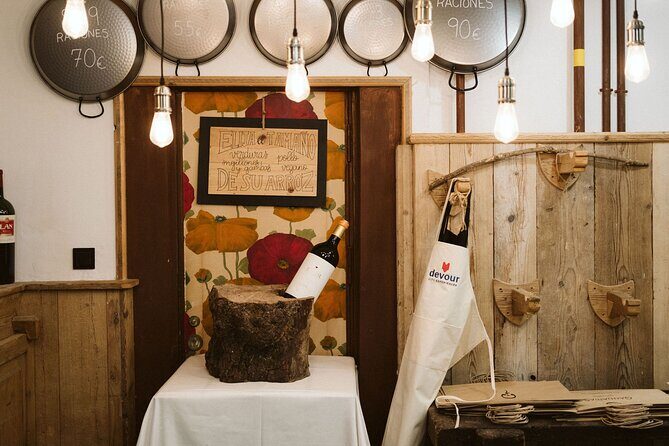
In this class, your meal includes Basque cider and two glasses of wine. The setup is built around pairings for the courses, so you’re tasting the meal as a whole, not as separate bites.
It also keeps things social. A lot of cooking classes turn quiet once people start chopping. Here, the drink timing helps keep energy up, and it pairs well with the upbeat hosting style you’ll experience.
Two hosts, one goal: stories that make the food stick
What you remember from a cooking class isn’t always the recipe steps. It’s the why behind the dish—the little cultural reason it exists in the first place.
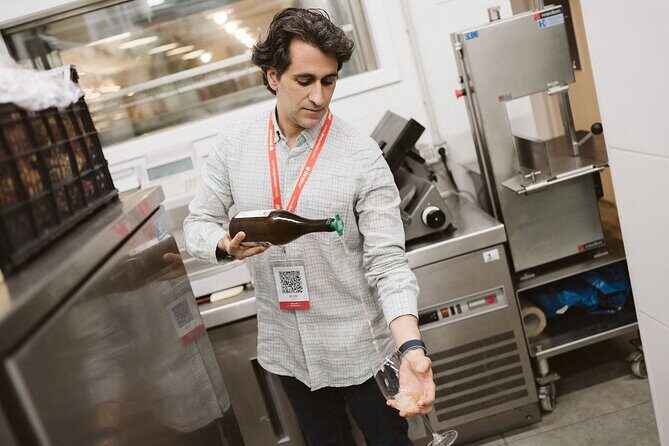
That’s where the two-host format shines. The local guide gives context, and the chef focuses on technique. The best sessions I’ve seen described involve humor and a relaxed atmosphere, not lectures.
Names you may encounter include Mikel and Mila as guides, and Natalia, Angel, and Carlos among chefs. If your group gets one of the chef-guide combinations mentioned in past experiences, you’re likely to get:
- clear explanations without being stiff
- enough group interaction to feel friendly
- a kitchen pace that still lets you do real work
How much hands-on cooking should you expect?
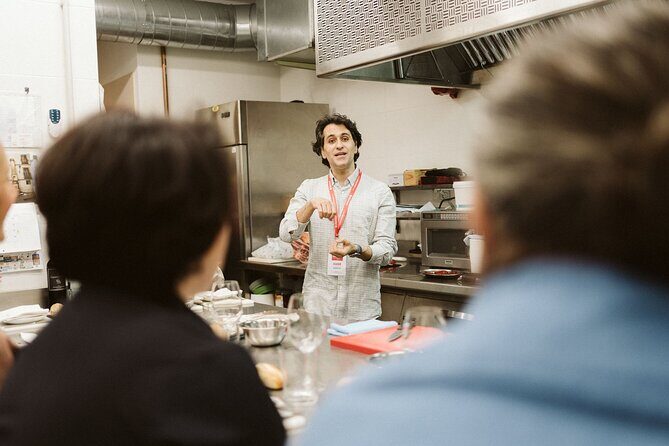
This is the part where you should calibrate your expectations. Most people come away saying they cooked multiple items and took turns doing tasks like chopping, stirring, and plating. The class description also emphasizes learning while you cook.
That said, a few people felt it leaned slightly toward chef-led prep rather than everyone cooking continuously. In other words, you’ll be active, but not every course may feel like equal “you do everything” time.
My practical take: this is still one of the best ways to learn Basque dishes in a short window, but if your top goal is maximum hands-on chopping for the full 2.5 hours, you should go in ready for a mix of instruction plus participation.
Price and value: what $167.74 buys you in the real world
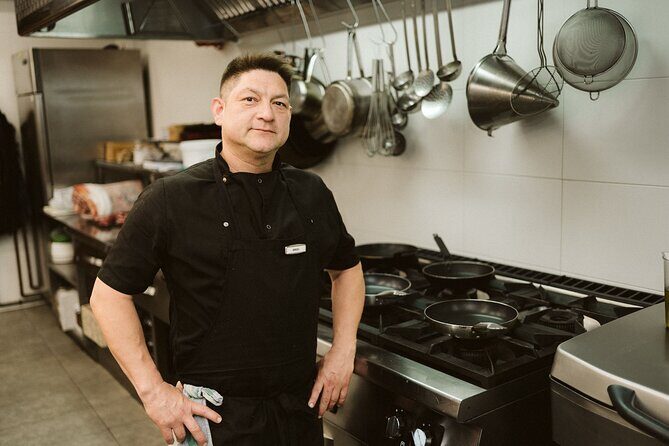
At $167.74 per person (about 2.5 hours), the price looks high if you compare it to a grocery bill or a casual café meal. But the value is in the bundle:
- A full meal you cook and then eat
- Drink pairings with Basque cider and included wine
- Recipes to take home
- An apron to keep
- A professional chef plus a local guide
- A small group (max 10), which you feel in the attention you get
So you’re not paying only for food. You’re paying for access—access to a pro kitchen setup, plus the context that helps the recipes make sense when you recreate them.
If you’re the type who likes to cook back home, this class can pay back quickly. Even if you only repeat one dish—say, the Spanish omelet or the burnt cheesecake—you’re turning the cost into a future habit.
Who this cooking class is best for (and who should think twice)
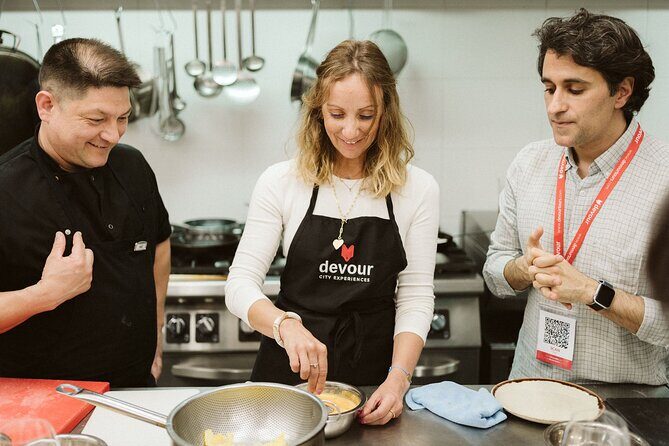
This class is a strong fit if you:
- want a short, structured way to learn Basque cooking in San Sebastián
- like small groups and interactive teaching
- enjoy food with drink pairings
- want recipes you can actually use later
It’s also practical for solo travelers since the group stays small and friendly. Many people feel comfortable asking questions when the group size stays under control.
Think twice if:
- you need to sit frequently, because the whole experience is standing up
- you want a fully vegetarian/vegan menu (it’s not recommended for that)
- you’re bringing young kids (it’s not suitable for children)
- you’re strictly avoiding alcohol, even though non-alcoholic options exist—just confirm your preference when booking
If you’re pescatarian, or you need gluten free (not celiac), or you want non-alcoholic options, the experience is described as adaptable. Pregnant women are also listed as adaptable, but you should plan for standing and walking in the old town.
Practical tips so you enjoy every course
- Wear comfortable, non-slip shoes. You’ll be on your feet the whole time.
- Arrive a bit early. Old Town streets are easy to miss at dusk.
- Come hungry but not stuffed. You’re cooking and then eating a full meal.
- Ask about your dietary needs early. The class is adaptable for some needs, but not for all.
- Treat the recipes as your plan for home. The recipe copies and apron are part of the value.
Should you book this Authentic Basque Cooking Class in San Sebastián?
Yes, if you want an old town evening that turns into real skills and a real meal. This is the kind of class that works especially well when you only have a few days in San Sebastián and you don’t want your “local food experience” to be only eating. You’ll cook Gilda pintxos, tortilla, cod pil pil, stuffed piquillo peppers, and burnt cheesecake, learn the dish stories, and leave with recipes.
No, if your ideal cooking class is long, seated, and super hands-on with minimal chef-led cooking. Also skip it if vegetarian/vegan is your must-have requirement, or if standing is a dealbreaker.
If you’re flexible and want a compact, high-quality Basque cooking night—this is a smart bet.
FAQ
FAQ
How long is the Basque cooking class in San Sebastián?
It runs about 2 hours 30 minutes.
What’s included in the price?
You get the guided cooking class, participation in making five dishes as a full meal, drink pairings (Basque cider and included wine), and you take home recipes plus an apron.
Where does the class start?
The meeting point is De Valle Lersundi Plazatxoa, 1, 20003 Donostia / San Sebastián. The activity ends back at the same meeting point.
What time does it start?
The start time is 6:00 pm.
Is the class in English?
Yes, it’s offered in English.
What’s the group size like?
It’s a small group experience with a maximum of 10 travelers.
Are there non-alcoholic options?
Yes, the experience is listed as adaptable for non-alcoholic options.
Can I join if I’m vegetarian or vegan?
It’s not recommended for vegetarian, vegan, or kosher diets, based on the provided information.
Is it suitable for children?
No. It’s not suitable for children.
Is the experience all standing and walking?
Yes. It’s held in a pedestrian old town area and the whole experience will be standing up, with a moderate walking pace expected.