REVIEW · SAN SEBASTIAN
Local Cooking Class in San Sebastian
Book on Viator →Operated by Mimo · Bookable on Viator
Basque food is easier when someone shows you. This hands-on class in central San Sebastián is built around Gipuzkoa and Bizkaia favorites, so you’re not just watching, you’re learning the techniques you can repeat at home. I especially like the small-group feel and the way the day mixes practical cooking with a proper sit-down lunch.
You’ll start at Mimo Bite The Experience on Okendo Kalea at 10:00am, get into an apron, and then move course by course through a set menu that centers on seafood and rustic Basque flavor. The best part is that you come away with real cooking momentum, not vague inspiration.
One consideration: this class isn’t set up for vegans, and even if you have an allergy, you still cook the same menu with your group while the lunch can be adjusted to avoid problem ingredients. If you’re very strict about diet, you’ll want to plan ahead.
In This Review
- Key things that make this class worth your time
- 10:00am in San Sebastián: where you meet and how the class starts
- Gipuzkoa and Bizkaia cooking: what this menu is really training you to do
- Hands-on flow: starters, mains, and the kind of help you remember
- Starters: Talos con Txistorra and Revuelto de Hongos
- Mains: Marmitako and Txuleta con piquillos
- Dessert: Pantxineta
- Lunch included: eating like the class intended, not like a snack
- Small group cooking in a real kitchen rhythm
- English support and what it means for learning the small stuff
- Diet needs, allergies, and who should book (and who should think twice)
- Price in context: what $276.34 buys you in San Sebastián
- Practical tips before you go
- Should you book this Basque cooking class in San Sebastián?
- FAQ
- Where is the meeting point for the cooking class?
- What time does the class start, and how long does it last?
- Is the class offered in English?
- Is there a vegetarian option?
- Can the class accommodate vegan travelers?
- What happens if I have an allergy?
Key things that make this class worth your time
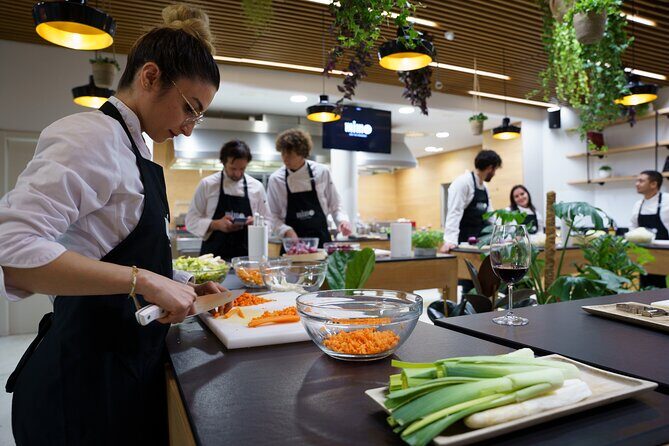
- You learn Basque technique, not just recipes, with professional guidance from start to finish.
- Small-group size (up to 10) means you’re more likely to get help while you’re actually cooking.
- A full lunch is included, so you eat what you make and stay fueled for the afternoon.
- Gipuzkoa and Bizkaia focus keeps the menu tied to a specific culinary identity, not generic Spanish fare.
- English is available, which makes it easier to catch the small details that matter.
10:00am in San Sebastián: where you meet and how the class starts
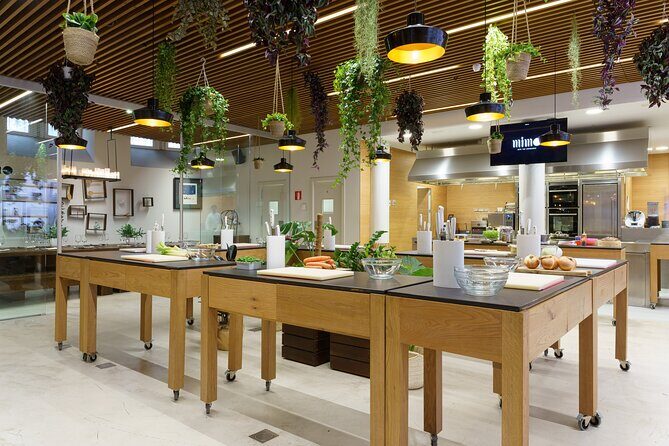
The day kicks off at 10:00am at Mimo Bite The Experience, Okendo Kalea, 1, 20004 San Sebastián (central, and near public transportation). It’s the kind of start time that works well if you want a “real activity” early and then you can spend the rest of the day doing whatever you like—walk the promenade, browse markets, or just take a long lunch-and-late-afternoon break.
When you arrive, your instructor greets the group and sets the tone right away. You’ll be asked to follow hygiene rules, including washing your hands and putting on an apron. It sounds basic, but it matters: you quickly shift from tourist mode to kitchen mode, and that usually means you learn more.
Classes like this also tend to be smoother when everyone shows up on time. With a ~5-hour schedule, there isn’t a lot of slack for late arrivals, and the kitchen work is step-by-step.
Other Basque cooking classes in San Sebastian
Gipuzkoa and Bizkaia cooking: what this menu is really training you to do
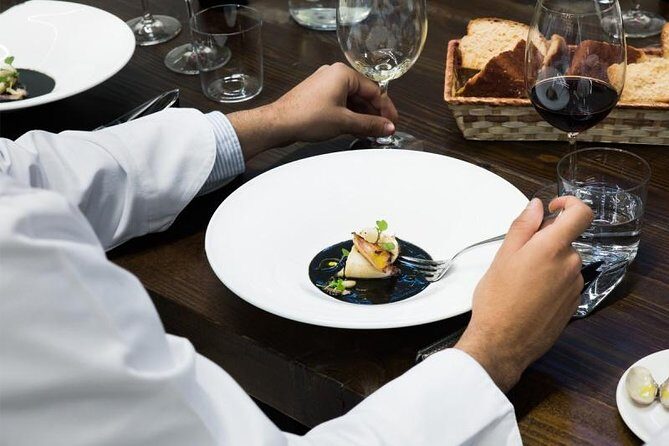
This class is built around recipes from Gipuzkoa and Bizkaia, the Basque provinces known for strong local food traditions—think fishing towns plus mountainous interior influences. That matters because it keeps the cooking grounded in one regional logic: seafood-forward flavors, hearty meals, and sauces and comfort foods that feel made for shared tables.
The menu you’ll cook and eat is built to teach you multiple skills, not just one. It includes:
- Talos con Txistorra (starter)
- Revuelto de Hongos (starter)
- Marmitako (main)
- Txuleta con piquillos (main)
- Pantxineta (dessert)
Even without you needing to memorize the full “why” behind each dish, the structure helps. Two starters give you contrast in texture and flavor direction. Two mains let you practice different pacing and cooking styles. Dessert is there to finish the job and make the whole thing feel like a real Basque meal.
A big plus here is the explicit focus on professional tips and tricks to getting Basque food right at home. That’s the difference between a fun cooking hobby class and something that genuinely improves your weeknight skills.
Hands-on flow: starters, mains, and the kind of help you remember
In this class, you’re not stuck doing one small task. The day is set up for hands-on participation and more direct coaching. With a maximum group size of 10 per chef (and a max of 10 travelers), it’s realistic to get corrections while you’re cooking, not after you’ve already made the same mistake twice.
Starters: Talos con Txistorra and Revuelto de Hongos
You’ll begin with starter work, and this is where you’ll feel the instructor’s style most. One person may be asked to manage prep timing while another handles cooking steps, so you learn how Basque hospitality looks from inside the kitchen.
The goal isn’t just to produce food. It’s to understand how to control basics like heat, pace, and texture. Starter courses are perfect for that because you can correct quickly and still keep moving.
Mains: Marmitako and Txuleta con piquillos
Mains take longer, and they tend to reveal the real technique. This is where you practice coordination: you’re cooking with an eye on the next course, and you get guided on how to keep everything on track.
The class also leans into a seafood-and-hearty-meal identity. One of the best moments described by previous participants involves the instructor showing detailed handling work with seafood ingredients—helpful because it’s the kind of practical detail people usually skip when they only follow recipes.
Other cooking classes in San Sebastian


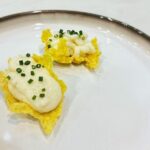
Dessert: Pantxineta
Dessert is a good reality check for home cooks. A lot of travelers can handle “make a stew” or “cook a dish.” Dessert is where you see whether the training really stuck.
Pantxineta closes the loop: you finish by eating something made by your own hands, not just tasting a sample.
Lunch included: eating like the class intended, not like a snack
The class ends in a sit-down meal where you enjoy the fruits of your labor. Lunch is included, and it’s not presented as an afterthought. It’s part of the experience design: you cook, you sit, and then you can actually pay attention to what you made.
This is also a time when you can ask questions without feeling rushed. If you’ve been wondering how to recreate a particular sauce texture or how to time courses at home, lunch is when those details usually make sense.
Some participants also mention that the lunch comes with wine pairings, which makes the meal feel more complete and more “Basque” in pacing. Even if you don’t focus on wine, it’s still a sign that the lunch is treated as a proper meal, not just a break.
Small group cooking in a real kitchen rhythm
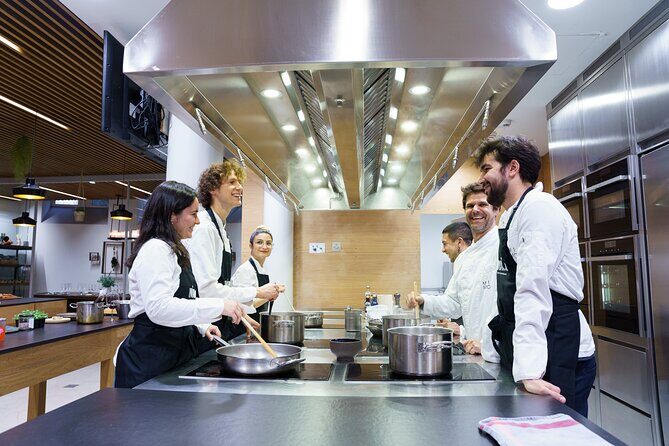
A maximum of 10 travelers is the difference between feeling coached and feeling crowded. With a larger class, you often wait your turn and hope someone notices. Here, the setup makes it easier to get attention while things are still hot.
You’ll also get a vibe that feels less like a staged show and more like a kitchen conversation. Participants describe instructors—such as Eneko, Patricio, and Miguel—bringing humor and clear direction, with lots of tips and lots of talking about why the dishes are made the way they are.
One more underrated factor: the class is spread out across the full ~5 hours. That matters. You’re not racing through a menu at full speed. You can engage, cook at a human pace, and still leave feeling satisfied.
English support and what it means for learning the small stuff
This experience is offered in English. That’s important because cooking instructions are full of tiny details that can get lost when you’re translating in your head. When you understand the guidance clearly, you’re more likely to repeat it correctly at home.
You should also expect some “kitchen talk” as part of the lesson—about food habits, local traditions, and how different provinces influence the flavors. In other words, it’s not only technique; it’s cultural context that helps you remember.
Diet needs, allergies, and who should book (and who should think twice)
Here’s the honest picture based on the rules:
- Minimum age is 16.
- Vegetarian option is available if you tell the operator at booking.
- Not available for vegans.
- If you have an allergy, you must tell them in advance. The class still cooks the same menu as the other guests, but lunch is adjusted to avoid those ingredients.
That last point is key. If you’re worried about cross-contact or you only want to cook with a fully separate menu, this may not fit. But if your concern is mainly what ends up on your plate at lunch, the accommodation is built in.
It’s also smart to advise any dietary requirements at booking, since the menu flexibility is mentioned as a lunch adjustment, not a full rework of the cooking portion.
If you’re traveling with a teen who loves food—and you want something more active than a walking tour—this is a strong match.
Price in context: what $276.34 buys you in San Sebastián
At $276.34 per person for about 5 hours, this isn’t a bargain-basement class. But it’s also not a “pay for the view” price. You’re buying:
- a local guide plus a professional guide,
- hands-on coaching in a small group,
- and a full lunch after you cook.
In a city where cooking experiences can range from quick demos to big group events, the small size and the multi-course structure are where the value lands. You’re paying for time in the kitchen, attention from the instructor, and food you actually eat.
Timing also signals demand: the experience is commonly booked about 36 days in advance. If you’re set on doing it, booking sooner tends to help you get a time that works with your plans.
Also worth noting: free cancellation is available up to 24 hours before the start time. So if your schedule gets messy, you have room to adjust.
Practical tips before you go
- Plan to arrive a few minutes early. A 10:00am start means the day moves quickly once the kitchen gets going.
- Wear comfortable shoes. You’ll be standing and moving during cooking prep.
- Come ready to participate. The class is designed so you can do more than just taste.
- If you have dietary needs, communicate them at booking. Vegetarian is available; vegan isn’t.
- Bring a clear expectation: you’ll cook the same menu as the group, even if lunch is modified for allergies.
Should you book this Basque cooking class in San Sebastián?
Book it if you want a hands-on Basque meal with real technique, not just a photo-friendly food stop. The small group size helps you learn, and the multi-course structure means you get a meaningful result: you cook, you sit, and you finish full.
Skip (or at least think carefully) if you’re a strict vegan, or if you need a fully separate cooking experience for allergies. Also, if you dislike early starts, that 10:00am pickup may feel like a scheduling tax.
If you’re the type of traveler who buys local food souvenirs and then wants to recreate them later, this class is exactly that bridge—from San Sebastián table to your own kitchen.
FAQ
Where is the meeting point for the cooking class?
You meet at Mimo Bite The Experience, Okendo Kalea 1, 20004 San Sebastián (Donostia-San). The activity ends back at the meeting point.
What time does the class start, and how long does it last?
The class starts at 10:00am and runs for about 5 hours.
Is the class offered in English?
Yes, it is offered in English.
Is there a vegetarian option?
Yes. You’ll need to request the vegetarian option at the time of booking.
Can the class accommodate vegan travelers?
No. It is not available for vegans.
What happens if I have an allergy?
You must tell the operator in advance. You will cook the same menu as the other guests, but lunch will be adjusted to avoid the ingredients you’re allergic to.