REVIEW · SAN SEBASTIAN
Desserts For Breakfast in San Sebastian
Book on GetYourGuide →Operated by Eat One Feed One food tours · Bookable on GetYourGuide
Pastry for breakfast sounds like a dream. This small-group walk turns that idea into a clear plan: sweet tastings plus local coffee, cheese, and wine, all while you learn the city’s food story one neighborhood at a time. You’ll start in the Tabakalera area and move through three distinct parts of town on foot.
What I like most is the variety. You’re not stuck with just pastries; you’ll hit cakes, chocolate-style treats, local cheese, and a proper wine pairing at the end. Another win is how personal the pace feels—this is limited to just 6 people, so you get time to ask questions and actually chat with the shop owners.
One thing to consider: this tour is very food-forward and you’ll walk for about three hours. If you’re not big on sweets (or you tire quickly), go in hungry with realistic expectations, and plan your next meal accordingly.
In This Review
- Key Highlights You’ll Actually Notice
- How the Desserts for Breakfast Tour Works in San Sebastián
- Start at Taba Café by Tabakalera and Maria Cristina Bridge
- 3 Neighborhoods, 7 Stops, 10 Tastings: The Pacing That Makes It Fun
- Oldest Bakery in Town: Your First Real Taste of Basque Baking
- Coffee + Traditional Caramel Basque Cake: A Classic Baseline
- Cider House Desserts: Traditional and Modern in One Stop
- Chocolate, Cakes, and the Sweet-to-Salty Ending
- Price and Value: What $123 Buys You
- What to Bring (and How to Plan Your Day)
- Who This Tour Fits Best (and Who Should Skip It)
- Should You Book This Tour?
- FAQ
- How long is the Desserts For Breakfast tour?
- How many tastings and stops are included?
- What time does it start?
- Where do we meet?
- Is the tour only in one language?
- Is this tour suitable for kids or non-drinkers?
- What should I bring?
Key Highlights You’ll Actually Notice
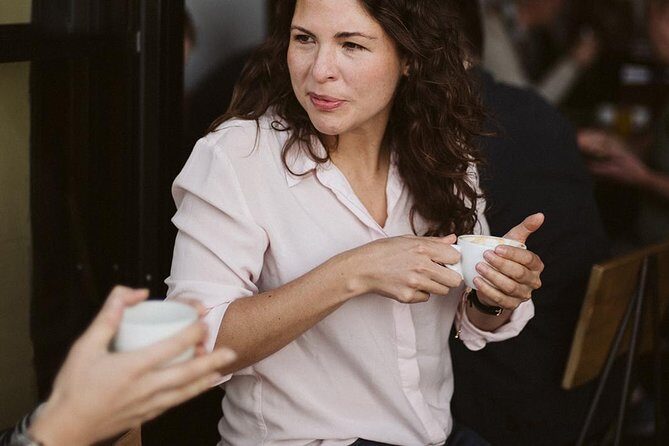
- Small group (up to 6): more conversation, less queue time, a relaxed rhythm.
- Oldest bakery visit: you taste first, then you get the background behind what you’re eating.
- Caramel Basque cake + coffee: a classic pairing that gives you a Basque baseline fast.
- Cider house dessert stop: you get both traditional and modern takes in one go.
- Cheese paired with wine: the tour closes with something salty to balance all that sweetness.
How the Desserts for Breakfast Tour Works in San Sebastián
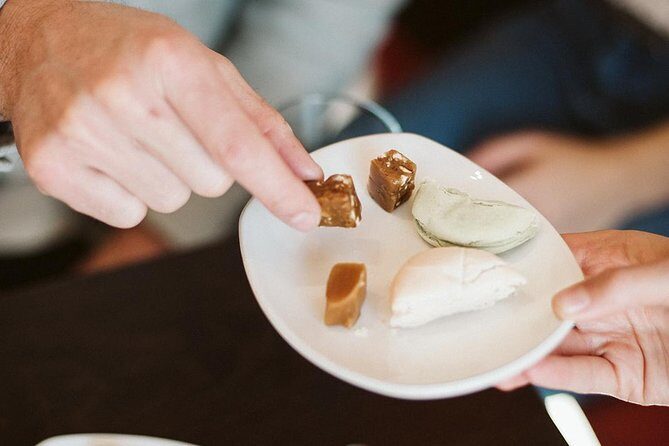
This is a guided walking tour built around a simple goal: help you understand San Sebastián through its desserts. You’ll cover 3 neighborhoods with 7 food stops and 10 tastings in about 3 hours. The timing matters because the tastings are meant to feel like a sequence, not a random sampling spree.
At each stop, your guide connects what you’re eating to the local culture. That’s what turns a list of sweets into an experience you can remember: where it fits in daily life, why it shows up in cafés and bakeries, and what locals tend to order.
The group stays small, and you’ll usually walk at a steady pace that lets you enjoy the stops instead of racing between them. This is also a rain-or-shine tour, so come ready to keep moving even if the weather changes.
If you're still narrowing it down, here are other tours in San Sebastian we've reviewed.


Start at Taba Café by Tabakalera and Maria Cristina Bridge
You’ll meet outside the Taba Café terrace in the Tabakalera building, near the Maria Cristina bridge. It’s an easy landmark to orient yourself, especially if you’re already spending time around the waterfront side of town.
Starting here works because it puts you in a “morning energy” zone right away—coffee is on the menu early, and the tour moves from there into different areas of the city. You’ll also get a quick setup from the guide before you start tasting, so you know how the walk will flow and what to watch for at each stop.
If you’ve got a sweet tooth, this start is a good signal: the first tastings are built to get your palate calibrated for what comes next.
3 Neighborhoods, 7 Stops, 10 Tastings: The Pacing That Makes It Fun
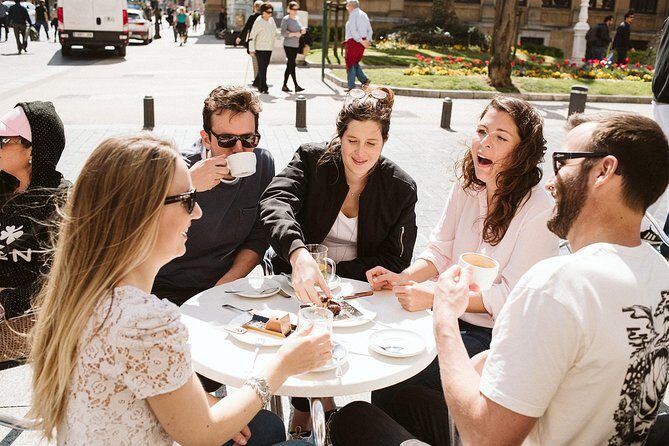
The route is designed around progression. You’ll hit pastry shops and dessert-focused places in three different neighborhoods, with enough spacing between stops to let you enjoy each item instead of immediately forgetting the last one.
Here’s the practical part: bring comfortable shoes and water. You’re on foot for the whole experience, and even if you’re only walking a portion of San Sebastián, three hours adds up. Also bring your appetite in a smart way—if you eat a huge breakfast beforehand, you’ll feel it.
One more detail I appreciated: the guides bring you through the “why” and not only the “what.” At each stop, you learn about the area you’re in and how the treat fits the Basque food culture. That gives the walk a rhythm you can follow, even when the desserts are doing the heavy lifting.
Oldest Bakery in Town: Your First Real Taste of Basque Baking
One of the strongest parts of the tour is the stop at the oldest bakery in town. You don’t just sample—your guide explains the bakery’s place in local tradition, so the pastry feels earned, not random.
At this stop, you’ll learn the history behind what locals have been buying for years, and then you’ll taste the bakery’s favorites. Since pastries can blur together in a hurry on a vacation, this “taste plus context” approach helps you remember what makes Basque baking distinctive—style, texture, and the kind of sweetness that feels more like craft than sugar overload.
It also helps that the bakery staff and nearby shop owners tend to be friendly. During the walk, you’ll have moments to ask questions and sample willingly, which turns your tasting into a conversation rather than a one-and-done bite.
Coffee + Traditional Caramel Basque Cake: A Classic Baseline
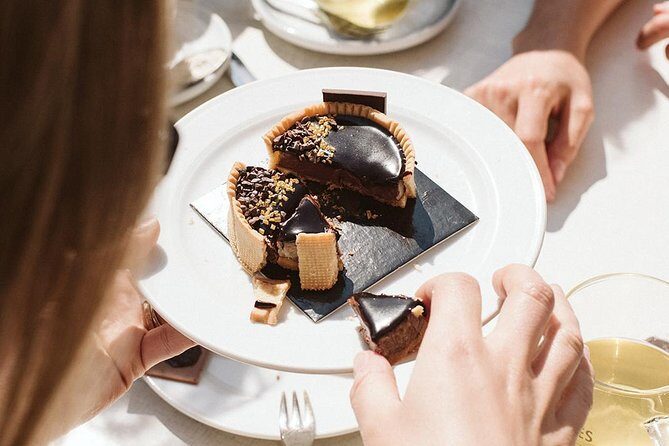
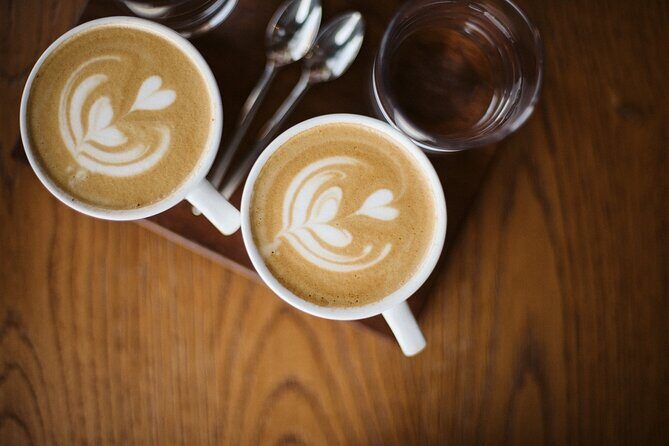
After you get your bearings with pastries, the tour brings you to a moment that feels very Basque: fresh coffee and a traditional caramel Basque cake. Coffee early in the tour is more useful than you might think. It resets your palate and keeps you from feeling jittery-sweet halfway through.
The caramel cake stop is a good anchor because it’s a known baseline. Even if you’re not sure what to order in Spanish cafés, the guide’s choice makes it easier to compare flavors across stops later. You’ll also understand what makes this kind of cake a local tradition rather than a generic dessert.
This is the part of the walk where you’ll likely start thinking, okay, this is how the city treats dessert—as something you can pair, slow down for, and enjoy with a drink, not just scarf between sights.



Cider House Desserts: Traditional and Modern in One Stop
Next comes a stop at a cider house, where you’ll try a traditional and modern dessert. This is a smart transition because it stops the tour from becoming a straight line of similar flavors.
Traditional desserts give you the Basque roots—comfort, familiarity, and craft. The modern twist shows you that local food culture isn’t stuck in the past. Seeing both in one stop makes the contrast easier to notice, and it gives you a quick snapshot of how Basque desserts can evolve while still feeling local.
Even if you don’t usually do cider-house-style experiences, this stop makes sense on a desserts tour. It’s still part of the tasting theme, just with a different setting and often a different style of dessert presentation.
Chocolate, Cakes, and the Sweet-to-Salty Ending
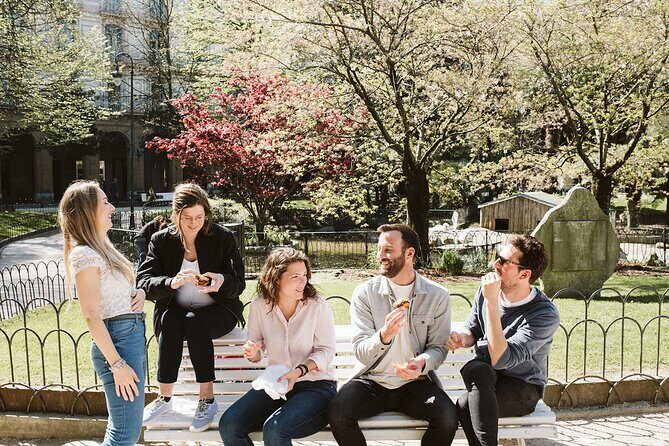
This tour is dessert-heavy, but it doesn’t keep you trapped in all-sweet mode. You’ll taste a wide variety of desserts—pasties, cakes, and other sweet bites—plus drinks that include things like chocolate-style tasting along the way.
The best balancing move comes at the end: a cheese paired with wine. Finishing with something salty and grown-up helps you feel satisfied instead of stuffed. It also changes your brain from dessert mode to flavor mode, so you can appreciate the full spread you’ve tried during the walk.
This pairing is also a nice reminder that Basque food culture isn’t only about sweet finish lines. A good meal has contrasts, and the tour ends by giving you that contrast in a guided way.
Price and Value: What $123 Buys You
At $123 per person for about 3 hours, you’re paying for more than “a few desserts.” You’re paying for a local bilingual guide, a planned walking route, and 10 tastings across 7 stops, including coffee, wine, and cheese.
Small group pricing matters here. With a maximum of 6 participants, you’re not just sharing food with strangers—you’re sharing time and attention with the guide. That typically translates into better questions, more context at each stop, and more friendly interactions with vendors.
In practical terms, the price makes sense if you’d otherwise spend money sampling piecemeal on your own. A DIY route can work, but you’d likely miss the history and the “which dessert to try now” guidance that keeps the flavors from blurring together.
The value is strongest if you enjoy food walks and want someone to guide your palate. If you only want one or two desserts, you’ll probably feel the cost more.
What to Bring (and How to Plan Your Day)
This tour keeps it simple with basics:
- Comfortable shoes
- Water
- Comfortable clothes
Since it goes rain or shine, dress like you’ll be outside for three hours. Layers help if the weather shifts, and shoes with good traction save you from bad sidewalks when it’s wet.
Plan your day around the tour. A dessert walk can easily ruin your appetite for a big lunch or dinner right after, even if you’re thinking you’ll “just eat a little.” Since you’ll be tasting 10 items, treat it like a meal with dessert.
If you avoid alcohol, good news: non-alcoholic drinks are also available, including for children and for those who prefer not to drink. You’ll still get the tasting experience without being forced into wine.
Who This Tour Fits Best (and Who Should Skip It)
This tour is a great match if you:
- love Basque sweets and want a guided way to taste without guessing
- enjoy walking tours where food comes with local context
- like small-group experiences where you can ask questions at each shop
It’s also a strong pick if you want a food walk that ends with balance. Many dessert tours finish with more sugar. This one finishes with cheese paired with wine, which feels like a real ending.
Skip it if you:
- don’t eat desserts or get tired quickly with lots of sweet bites
- hate walking for three hours, even on a comfortable pace
If you have dietary restrictions or allergies, the tour data doesn’t list specifics. In that case, you should ask the operator directly before booking so you’re not guessing.
Should You Book This Tour?
I’d book it if your idea of a great morning is walking, learning, and tasting Basque desserts in the kind of small group where you actually connect with people. The combination of old-bakery history, a caramel Basque cake moment, a cider-house dessert stop, and the final cheese-and-wine pairing is a well-planned arc, not a random snack list.
I wouldn’t book it if you want a light stroll with just a couple of samples. This is three hours of tastings, and it’s designed for people who want to eat and enjoy the variety.
If you’re in San Sebastián and want a dessert-focused tour that still feels grounded in local food culture, this one is an easy yes.
FAQ
How long is the Desserts For Breakfast tour?
It lasts about 3 hours.
How many tastings and stops are included?
You’ll make 7 food stops with 10 food and drink tastings.
What time does it start?
Starting times vary, so you need to check availability to see the times offered.
Where do we meet?
Meet on the terrace outside the Taba Café in the Tabakalera building, near the Maria Cristina bridge. The tour ends back at the meeting point.
Is the tour only in one language?
No. The tour guide speaks Spanish and English.
Is this tour suitable for kids or non-drinkers?
Non-alcoholic drinks are available for children and for anyone who prefers not to drink.
What should I bring?
Bring comfortable shoes, water, and comfortable clothes.