REVIEW · SAN SEBASTIAN
Desserts For Breakfast in San Sebastian
Book on Viator →Operated by Eat One Feed One · Bookable on Viator
Food at 10am, with a mission behind it. Desserts For Breakfast in San Sebastián is built around three neighborhood strolls where you meet vendors and taste what local patisserie talent is doing right now, while learning the city’s culture along the way. Best part: for every person who joins, Eat One Feed One donates a meal to a refugee camp through Zaporeak—the simple idea is You Eat One, you Feed One.
I like two things a lot about this tour. First, the morning start makes it feel like a true walk-and-eat intro to San Sebastián, not a stuffy food list. Second, you begin at Tabakalera, a former tobacco factory turned cultural center with a café, which sets a smart tone for the rest of the tour. The format stays easy to follow, with short stops and plenty of chances to ask questions.
One consideration: this experience is not recommended if you have celiac disease or nut allergies. If either applies, you’ll want to skip this one and look for a tour designed for those needs.
In This Review
- Quick highlights worth planning for
- Tabakalera first: coffee, culture, and that morning sweetness
- Three neighborhood stops that turn pastry into city context
- What the in-between sightseeing likely feels like
- The river-to-sea moment: walking where the city meets water
- Square and park stop: a slower bite between sights
- Finishing near 31 de Agosto Kalea in the old quarter
- Social impact: your breakfast funds a meal via Zaporeak
- Price and timing: 3 hours, 10am start, small group value
- Who should book Desserts For Breakfast in San Sebastián
- Should you book this tour or go solo?
- FAQ
- What time does the tour start?
- How long is the Desserts For Breakfast tour?
- Where do I meet the group, and where do we finish?
- Is there a mobile ticket?
- What social impact does the tour support?
- Who should avoid this tour due to dietary needs?
Quick highlights worth planning for

- You Eat One, you Feed One with Zaporeak: Your tastings tie directly to a donated meal for refugees.
- Tabakalera as your first stop: A former tobacco factory now used as a cultural center, plus a café moment.
- Small group size: Maximum 6 travelers, so you can actually talk with vendors.
- A true neighborhood route: Three areas of San Sebastián, not just one concentrated street.
- Guide energy makes it family-friendly: Past participants called out engaging guides, including Mai, Carlo, Alin, and Cristina.
- Coffee shows up along the way: One guide’s version was specifically praised for coffee alongside pastries and dessert.
Tabakalera first: coffee, culture, and that morning sweetness
You start at Tabakalera (Pl. de las Cigarreras, 1), a cultural center in a building that used to be San Sebastián’s tobacco factory. That “old industrial space with a new role” vibe matters more than you might think. It gives you a sense of how the city repurposes space, not just how it serves food.
Expect about an hour here, and the stop includes the chance to hang in the café area. It’s a good warm-up before the tasting portion ramps up. You also get a chance to settle into the rhythm of the tour—listen, ask questions, and get your bearings before you move into the neighborhoods.
If you like structure, you’ll appreciate that the morning begins with a clear anchor point and an easy-to-understand first stop. And if you’re traveling with kids, this kind of start helps because it’s not a rushed meet-and-graze moment. One family-style experience stood out for keeping kids engaged thanks to the food pace and the guide’s energy.
If you're still narrowing it down, here are other tours in San Sebastian we've reviewed.


Three neighborhood stops that turn pastry into city context
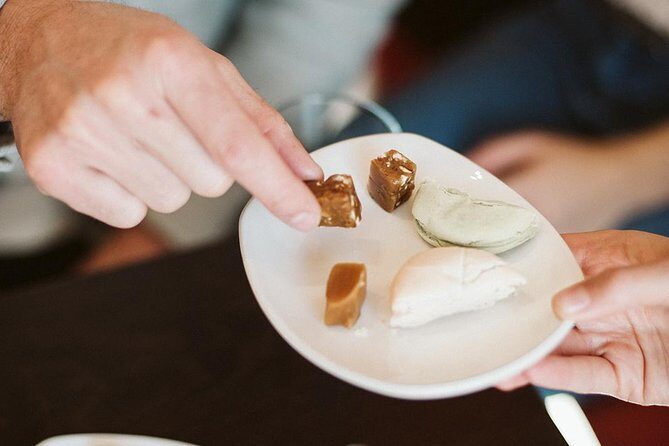
The core idea is simple: you won’t just eat; you’ll learn how eating fits into San Sebastián. This tour visits three neighborhoods, and each area is tied to stories about local culture and history as you walk between pastry stops.
That approach is great value for your time. Many food tours do the math wrong: you end up with a long route that’s mostly eating with barely any context. Here, the design pushes you to look at the city in between bites. You learn why particular places exist, how the neighborhoods feel, and how food culture connects to daily life.
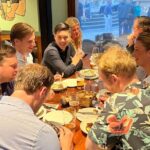
A big part of the experience is meeting vendors and tasting what local patisserie talent is making. That’s where the small group size helps. With a maximum of 6 people, you’re less likely to get herded past counters. You should find more room to ask questions about flavors, techniques, or what’s popular in that area.
What the in-between sightseeing likely feels like
Not every stop is listed with a formal name beyond descriptions, but the route includes outdoor views and public spaces. You’ll have moments that break up the tasting rhythm, including:
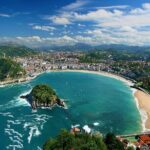
- a stop focused on the river that opens onto the sea
- a stop at a square and park
These breaks are useful. Dessert tours can sometimes feel like sugar-only mode. Here, the route seems to pace itself so you can taste, then look around, then taste again with fresh energy.
The river-to-sea moment: walking where the city meets water

One of the stops is described as the river that opens onto the sea. Even without a specific label here, that type of location tends to do two things well on a walking tour.
First, it gives you a natural reset. After you’ve spent time around cafés and shop counters, the open-air water area lets you breathe and see the city’s layout. Second, it’s a built-in reminder that San Sebastián isn’t only about food interiors. The city’s geography shapes daily life, and that affects what ends up on plates.
If you like photos, this is usually the kind of stop that helps you capture the “real city” feel, not just close-ups of pastries. And if you don’t care about photos, you’ll still appreciate the break from indoor pacing. It’s also the sort of spot where your group can slow down enough for questions and conversation.
Square and park stop: a slower bite between sights
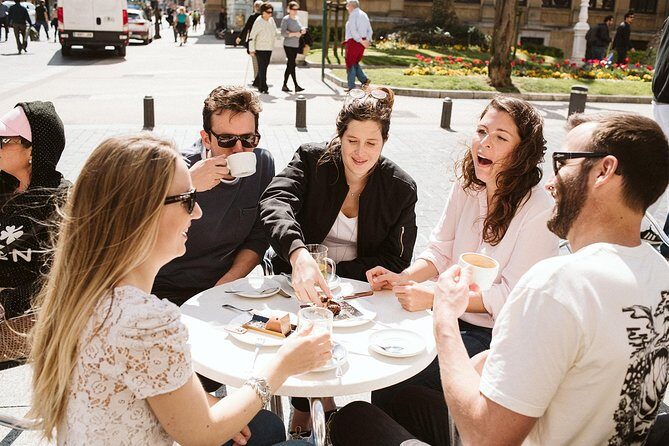
Another stop is described as a square and park. On paper, that might sound like a simple scenic break, but on a dessert tour it usually serves a purpose.
Squares and parks are where you can stand, regroup, and let your appetite settle between tastings. They also give a contrast to the shopfront energy. In other words: you get sweetness, then you get space.
This kind of stop also tends to help with the learning piece. Instead of listening only while walking fast, you can pause. That matters because the tour is trying to connect food to neighborhood culture. Short pauses make those stories easier to hold onto.
If you’re traveling with a mix of adults and kids, this is the stop type that tends to keep everyone happier. Kids often need a place to move or watch people. Adults often want a view or a breather. A square-and-park moment can satisfy both.



Finishing near 31 de Agosto Kalea in the old quarter

You end in the old quarter of San Sebastián, at 31 de Agosto Kalea, 20003 Donostia. Ending in the old center is a practical choice. It means you’re dropped where you can keep exploring without needing extra transport planning.
It’s also a smart way to help you extend your day. After three hours of tasting and walking, you’re usually ready for a light next meal or a coffee that doesn’t involve a tour script. The old quarter location makes it easier to do that on your schedule.
And since the end point is in a named street area, it’s easier to coordinate with your hotel or onward plans. You’re not left stuck at an edge-of-town stop.
Social impact: your breakfast funds a meal via Zaporeak
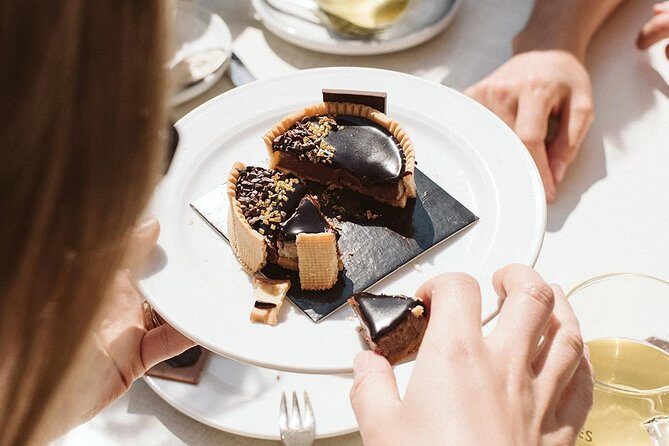
Here’s the part I care about most, because it turns a fun morning into something that adds up. This tour is designed so that every participant helps support refugee camps through Zaporeak, a local association that cooks wholesome meals for refugees.
The slogan you’ll see—You Eat One, you Feed One—isn’t marketing fluff in this context. It’s the actual mechanism described for how participation connects to meal donations. That gives you a different kind of satisfaction after the last bite. You’re not just buying pastry; you’re helping pay for a real meal somewhere else.
From a value standpoint, this changes the emotional math of the price. Many tours donate a small amount in a vague way. Here, the donation is tied directly to participation count. That clarity helps you feel confident that your booking has an identifiable impact.
Price and timing: 3 hours, 10am start, small group value
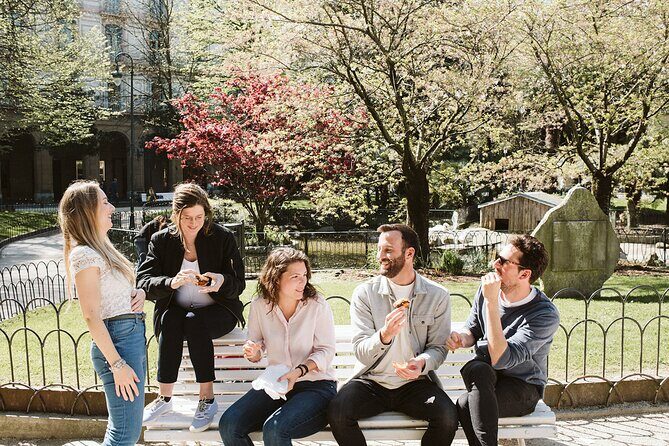
The tour costs $138.46 per person and lasts about 3 hours. It starts at 10:00 am, and it runs with a maximum group size of 6 travelers. That combination—morning timing plus a small group—usually means you get more conversation and less waiting.
Let’s talk about what you’re paying for. You’re not paying only for a sequence of desserts. You’re paying for:
- access to vendors during the walk
- a guide to explain neighborhood context
- multiple tastings across different stops
- and the Zaporeak meal donation tied to each person
So the price is easier to justify if you want more than a sugar snack. If your goal is just to eat pastries, you might find cheaper self-guided options. But if you want your morning to include learning, vendor interaction, and a social impact piece, this feels more like an “experience package” than a simple tasting.
Also, starting at 10am makes sense. You get the sweet payoff before midday crowds pick up. You’re also more likely to keep your energy high for walking. Many dessert tours run later and then you hit fatigue. This one starts you earlier.
Who should book Desserts For Breakfast in San Sebastián

This tour fits best if you want a morning that blends food with city understanding. It’s especially good for:
- families who want an engaging guide and a paced route (kids staying interested came up in the experience notes)
- travelers who like asking questions at shops instead of just sampling and moving on
- anyone who wants to explore more than one part of town during a short visit
It’s also a solid choice if you care about where your money goes, since the tour is explicitly built to donate meals to refugees through Zaporeak.
It’s not a match if you need celiac-safe options or you have nut allergies. Since the experience isn’t recommended in those cases, don’t gamble with substitutions.
Should you book this tour or go solo?
I’d book this if you want a guided, small-group morning that mixes San Sebastián neighborhood walking, patisserie tastings, and a clear social impact link to Zaporeak. The Tabakalera start alone is a good reason to choose it, because it sets the tone in a meaningful space rather than a random café bench.
I’d skip it if your main goal is budget food or if you have dietary restrictions like celiac disease or nut allergies. Also, if you strongly prefer fully unguided exploration, the value here comes from the structured route and vendor interaction.
If you want a short list decision tool:
- Book if you want tasting + stories + small group pacing.
- Don’t book if you need celiac-safe or nut-free certainty.
FAQ
What time does the tour start?
The tour starts at 10:00 am.
How long is the Desserts For Breakfast tour?
It lasts about 3 hours.
Where do I meet the group, and where do we finish?
You start at Tabakalera, Pl. de las Cigarreras, 1, 20012 San Sebastián, and you finish at 31 de Agosto Kalea, 20003 Donostia.
Is there a mobile ticket?
Yes, the tour includes a mobile ticket.
What social impact does the tour support?
For every person who joins, the tour donates a meal to a refugee camp through Zaporeak (You Eat One, you Feed One).
Who should avoid this tour due to dietary needs?
The tour is not recommended for anyone with celiac disease or nut allergies.