REVIEW · SAN SEBASTIAN
Pintxos cooking class from the classics to modern pintxos
Book on Viator →Operated by KOOKIN DONOSTI · Bookable on Viator
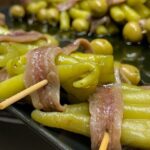
Food at 6 pm beats wandering for bites. This hands-on pintxos cooking class turns San Sebastián’s biggest foodie tradition into a practical, chef-led party, starting right in the kitchen at KOOKIN DONOSTI. You’ll learn classic-to-modern pintxos ideas, from the iconic Gilda to newer twists, while keeping it fun and social with Basque drink service.
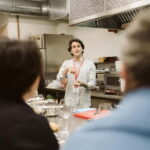
Two things I really liked: the clean, well-run teaching kitchen and the way the instructor made the steps easy to follow. When the kitchen is tidy and someone explains clearly, you can actually focus on technique instead of fighting tools or confusion.
One consideration: it’s a set, 2.5-hour format, so if you’re hoping for a long, full-on tour of multiple neighborhoods, this won’t be that. You’re here to cook and eat, not to roam.
In This Review
- Key Highlights You Shouldn’t Miss
- A Pintxos Party in San Sebastián: Why This Style of Class Works
- Location and Timing: 6:00 pm Makes It a Perfect Evening Plan
- Small Group Cooking Beats Big-Tour Sampling
- Your Basque Drink Starter: Cider and Txakolí While You Cook
- How the Chefs Teach: From Technique to a Plate You’re Proud Of
- Classics First: Learning the Gilda and the Logic Behind It
- Moving to Modern Pintxos: Twists You Can Actually Think Through
- The Teaching Kitchen: Clean, Organized, and Easy to Follow
- What You’ll Eat and Why It’s a Smart Value Add
- Price and Value: Is $139.63 Fair for 2.5 Hours?
- Who This Pintxos Class Is Best For
- Should You Book KOOKIN DONOSTI’s Pintxos Class?
- FAQ
- How long is the pintxos cooking class?
- What time does the class start?
- Where do I meet for the activity?
- How many people are in the group?
- What will I learn during the class?
- Is it a mobile ticket?
- What is the cancellation policy?
Key Highlights You Shouldn’t Miss
- Max 8 people means you get more personal attention than in big food groups
- Classics to modern pintxos with chef guidance, not just assembly
- Basque cider and txakolí you can pour and sip during the session
- Gilda focus so you learn a true Basque classic, not random pinchos
- A very clean kitchen setup that makes hands-on cooking comfortable
- Mobile ticket for a smoother arrival
A Pintxos Party in San Sebastián: Why This Style of Class Works
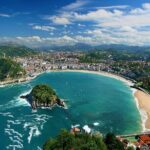
San Sebastián is a city where food is part of the rhythm. Most visitors try to fit pintxos into a walking schedule. This experience flips the script: you’re not just hunting for bites, you’re building them.
The best part is that you’re learning technique, not memorizing recipes. The class is designed around making pintxos you’ll eat, with experienced chefs guiding you through classics and modern variations. That’s ideal if you want your trip to leave you with more than a happy memory and a full stomach.
And yes, it’s social. The whole idea is a pintxo party—Basque food culture with people talking, tasting, and toasting. It feels less like school and more like a friendly kitchen meetup with structure.
Other pintxos tours we've reviewed in San Sebastian
Location and Timing: 6:00 pm Makes It a Perfect Evening Plan
The experience starts at 6:00 pm and runs about 2 hours 30 minutes. That timing is smart in San Sebastián. You can do a normal daytime plan—beach, a museum, a walk—and then shift gears into dinner mode.
The meeting point is C. Corta, 3, 20001 San Sebastián, Guipúzcoa, Spain. The activity also says it’s near public transportation, which matters because you don’t want your evening to depend on taxi availability or a complicated route.
You’ll also get a mobile ticket, and you’ll receive confirmation at booking. From a practical standpoint, it’s one less thing to worry about when you’re already navigating a city on foot.
Small Group Cooking Beats Big-Tour Sampling
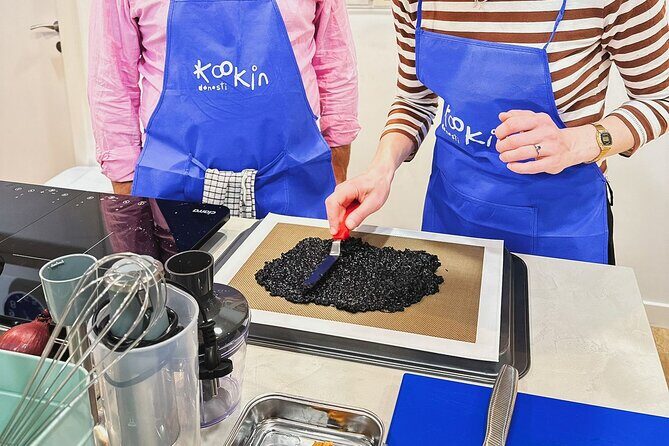
This class caps at 8 travelers. That small size changes how it feels. You’re not standing at the edge of a crowded room waiting for your turn, and you’re more likely to get help when your knife, skewer, or assembly timing gets a little off.
It also means the chefs can keep the pacing tight. With pintxos, timing matters because some components move faster than others, and you want everything to come together while it’s at its best.
If you like learning by doing, this setup is a win. You’ll get hands-on time instead of a passive tasting. If you’re traveling with friends, it’s also easier to stay engaged without losing half the instructions to noise or distance.
Your Basque Drink Starter: Cider and Txakolí While You Cook
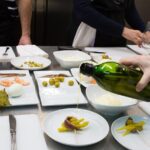
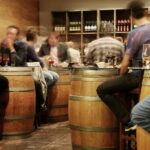
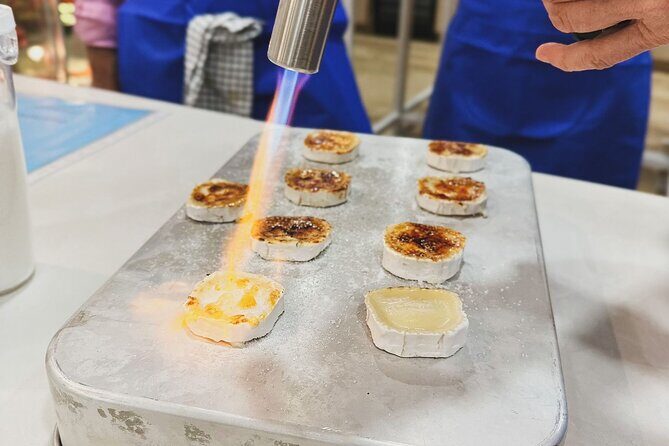
A fun detail here is the drink flow. During the class, you can pour your own Basque cider and sip txakolí. It turns the kitchen into a social table without making it feel chaotic.
This is more than a nice extra. In Basque food culture, meals are tied to conversation and shared moments. Having the drinks during cooking keeps the energy up so you’re not just rushing through tasks until the end.
Practical tip: pace yourself. You’ll be handling food prep steps and tasting as you go, so you want to enjoy the drinks without turning the last part into a blur.
How the Chefs Teach: From Technique to a Plate You’re Proud Of
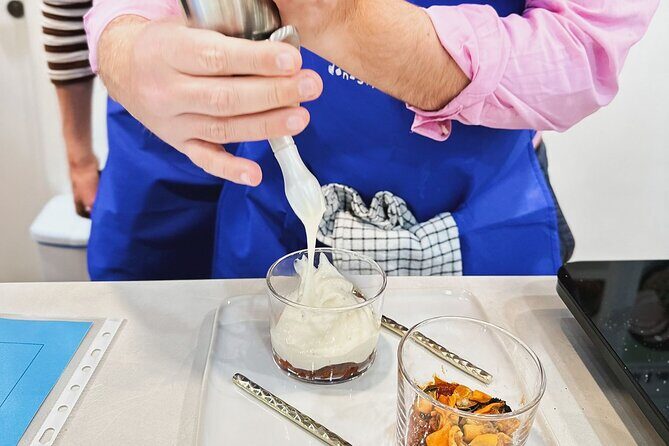
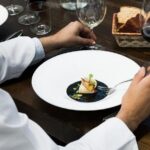
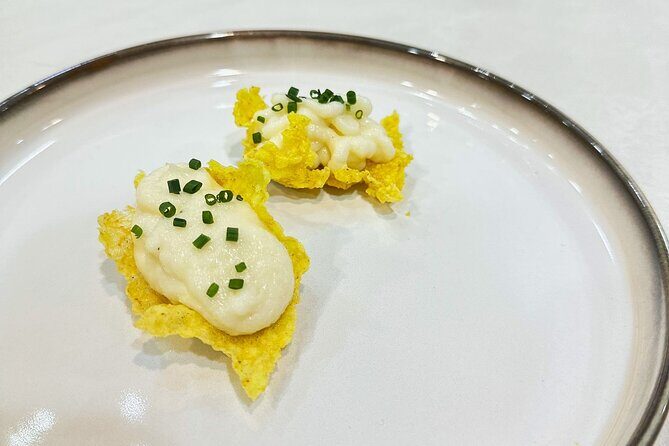
The chefs focus on how to make the pintxos you’ll eat, with an emphasis on high-end technique and local flavor thinking. That balance matters: you get structure, but the goal isn’t to sound fancy. It’s to help you create something that makes sense in a pintxos bar context.
Here’s what that usually looks like in a class like this (and why it’s useful for your real trip). You start with a baseline: familiar pintxo logic—what goes where, how components behave, and what creates that classic bite. Then you build. You learn how to adapt using similar techniques for different textures and flavors.
In my view, the teaching value is twofold:
- You learn methods you can reuse later, even if the exact topping changes.
- You get confidence. Once you understand the why, not just the what, you can order pintxos in the city and recognize the structure.
And from the experience I drew on, the instruction clarity is strong. The instructor is easy to understand, and the cooking kitchen setup is very clean, which helps your brain stay on the steps instead of troubleshooting your surroundings.
Other pintxos and wine tours in San Sebastian
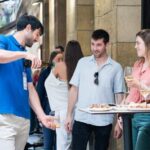
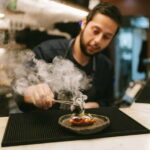
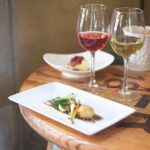
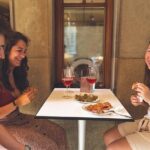
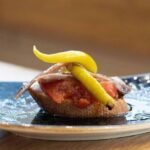
Classics First: Learning the Gilda and the Logic Behind It
The class covers Basque classics, including the Gilda. The Gilda is famous for a reason: it’s compact, salty, and satisfying, with a balance that makes it work as a true bar-style pintxo.
In a hands-on class, learning a classic like the Gilda is smart because it gives you a template. You see how a small set of ingredients can create a complete flavor story. You also learn how pintxos are assembled so they hold together and stay easy to eat.
Even if you already like pintxos, this part helps you move beyond taste alone. You start noticing texture and build: what adds crunch, what brings richness, what gives tang. That’s the sort of “aha” that makes the next tasting in the city hit harder, because you understand the pattern.
Moving to Modern Pintxos: Twists You Can Actually Think Through
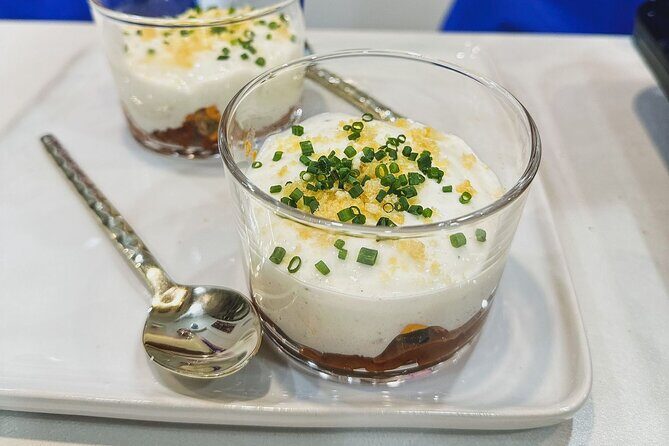
After the classic work, the class turns toward modern pintxos—the idea of updating traditional favorites. You’re not just copying; you’re adapting.
This section matters because it teaches you a skill that travels with you. Modern pintxos aren’t random. They usually remix proportions, switch textures, or adjust flavor intensity while keeping the Basque identity.
So the practical takeaway isn’t only that you’ll eat something new. It’s that you’ll learn how chefs think: keep the core, adjust the method, and aim for balance in each bite. That’s how you go from tourist sampling to real foodie comprehension.
The Teaching Kitchen: Clean, Organized, and Easy to Follow
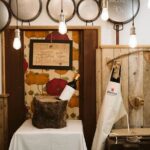
One reason this class lands well is the kitchen quality. I found the teaching kitchen setup to be super clean, which sounds basic until you’re sweating over food prep and you need your station to behave.
Clean space and clear guidance are especially important when you’re dealing with small components—pintxo building often means you’re working with tiny amounts and quick steps. If the room is organized and hygienic, the experience feels calmer and more confident.
In my notes, the instructor was also very easy to understand. That’s huge. Food classes fail when steps are unclear or jargon-heavy. Here, the explanations are practical enough that you can keep up, even if you’re not a regular home cook.
What You’ll Eat and Why It’s a Smart Value Add
The concept is straightforward: you make pintxos and eat them. That’s the simplest way to judge value because it’s not a ticket that ends at “thanks for watching.”
You also get that Basque drink atmosphere during the session—cider and txakolí—so it’s more like dinner with instruction than a short snack stop. For many people, the payoff is that you leave with more than a full belly: you leave with real know-how.
Also, the class is designed for both food fans and newbies. If you’re comfortable in a kitchen, you’ll enjoy the technique focus. If you’re not, you’ll still get a path to follow. The small group and clear teaching helps that.
Price and Value: Is $139.63 Fair for 2.5 Hours?
At $139.63 per person for about 2 hours 30 minutes, this sits in the paid-class tier—meaning you’re paying for instruction and a structured meal experience, not just a tasting. The value is strongest if you care about learning technique and not only sampling.
Why it can be worth it:
- You get hands-on cooking and eat what you make
- The group is small (max 8), so coaching is more realistic
- Drinks like Basque cider and txakolí are part of the experience flow
- You cover classics to modern, including an iconic reference point like the Gilda
If you’re traveling on a tight food budget, you might decide that you’d rather spend less and eat your way through bars. But if you want a memorable, skill-building evening, this price starts to make more sense.
One extra practical note: the class is commonly booked about 39 days in advance on average. If dates matter for your trip, don’t wait until the last minute.
Who This Pintxos Class Is Best For
This is a strong fit if you:
- Love Basque food and want a structured, hands-on way to understand pintxos
- Prefer small group experiences over crowded tours
- Want a fun evening plan that feels like an event, not a chore
- Like learning cooking tricks you can use later
It’s also a nice option for couples or small groups who want to do something social that still has clear steps.
If your main goal is to maximize time wandering pintxo bars, this probably won’t match that goal. Here, your time is spent in the kitchen.
Should You Book KOOKIN DONOSTI’s Pintxos Class?
Book it if you want your San Sebastián food time to feel intentional. A pintxos class like this gives you context, technique, and a meal you built yourself. The small group size, clean teaching kitchen, and clear instruction are exactly the combo that makes classes worth paying for.
Skip it if you’re only chasing quantity or if you’d rather spend your evening hopping from bar to bar without cooking. Also consider that this is a fixed-length session, so you need to be okay with a couple hours of kitchen work as your main plan.
If you can spare the time and you’re curious about Basque pintxos beyond the usual “try one of everything” approach, this is the kind of experience that can add a real layer to your whole trip.
FAQ
How long is the pintxos cooking class?
It lasts about 2 hours 30 minutes.
What time does the class start?
The start time is 6:00 pm.
Where do I meet for the activity?
The meeting point is C. Corta, 3, 20001 San Sebastián, Guipúzcoa, Spain.
How many people are in the group?
The experience has a maximum of 8 travelers.
What will I learn during the class?
You’ll learn to make pintxos from classics to modern pintxos, with chefs guiding the process. The class includes the iconic Gilda.
Is it a mobile ticket?
Yes, the experience includes a mobile ticket.
What is the cancellation policy?
You can cancel for free up to 24 hours before the experience start time for a full refund. Changes within 24 hours aren’t accepted, and cancellations less than 24 hours before start aren’t refunded.