REVIEW · SAN SEBASTIAN
San Sebastián: Live the city like a local, no tourist traps
Book on GetYourGuide →Operated by Pais VascobyIgnacio · Bookable on GetYourGuide
San Sebastián can feel tiny, but it has layers. This 110-minute walking tour is built to show you the city’s history in motion and the best viewpoints without being stuck on the same tourist loops. I especially like the mix of old town streets, modern neighborhoods, and the less-frequented spots; one possible drawback is that it’s a true walk on uneven ground, so it’s not for everyone.
The tour starts right at Hotel María Cristina, and it’s designed to end where you began, with you seeing the mountains, sea, port, and beach from higher angles. One more thing I’d flag: there was at least one reported case where the guide didn’t show up and didn’t answer the phone, so it’s smart to keep your contact info handy close to start time.
In This Review
- Key Things You’ll Get Out of This Walk
- Where the Tour Starts: Hotel María Cristina as Your Anchor Point
- The Big Goal: San Sebastián Like a Local, Not a Checklist
- Old Town Streets: Getting Oriented Fast
- Modern City + Tourist Area: Compare the City’s Two Speeds
- Military Remains: Why They Still Matter in the City
- Religious Architecture: More Than Pretty Facades
- Views From the Heights: Mountains, Sea, and Beach in One Thread
- The Guide Experience: Ignacio’s Approach (and One Caution)
- Price That Works for Small Groups
- Who Should Book This Walk (and Who Should Skip It)
- Quick FAQ
- FAQ
- How long is the San Sebastián walking tour?
- Where do we meet, and where do we return to?
- What languages are offered?
- Is this tour suitable for wheelchair users?
- What should I bring?
- Is food or entrance fees included?
- How much does it cost?
- Should You Book This Tour?
Key Things You’ll Get Out of This Walk
- Small-group pricing (up to 3 people) makes the cost easier to swallow if you’re traveling with friends.
- 110 minutes keeps it focused, with enough time for multiple city areas without dragging on.
- Local routes and non-touristy spots plus panoramic viewpoints that aren’t typically on mass-market itineraries.
- A mix of architecture types: religious, civil, and military remains, tied to how the city developed.
- Languages available: Spanish, French, and English, so you can match your comfort level.
- Walking on uneven surfaces: bring water and wear shoes you trust.
Where the Tour Starts: Hotel María Cristina as Your Anchor Point
The smart thing here is the starting point. You meet at Hotel María Cristina, a central landmark that’s easy to find and helps you avoid the classic “meet somewhere random” problem. Then you return to the same place, which is handy when you want to keep the rest of your day flexible.
With a duration of 110 minutes, you’re not signing up for a half-day expedition. You’re getting a concentrated loop that’s meant to help you understand what you’re seeing as you go—streets, buildings, sea views, and city rhythms—without needing a separate guide for every zone.
If you like to walk early and then explore on your own, this fits well. It’s also a good “first days in town” activity because it gives you a mental map fast.
Other city tours we've reviewed in San Sebastian
The Big Goal: San Sebastián Like a Local, Not a Checklist
This isn’t a tour that only hits postcard angles. The emphasis is on how locals experience the city: the way neighborhoods connect, how the hills shape views, and how different types of buildings reflect changing times.
The tour’s promise is specific: you’ll see the old town, the modern city, military remains, and the tourist area—with pacing that lets you feel the city’s rhythm. That matters because San Sebastián is the kind of place where the layout changes fast once you start moving: sea, port, and beach sit near steep rises, and that topography affects everything.
A tour like this works best when you want context. If your idea of travel is only ticking off monuments, you might feel it’s too interpretive. If you like figuring out why a city looks the way it does, you’ll likely enjoy it more.
Old Town Streets: Getting Oriented Fast
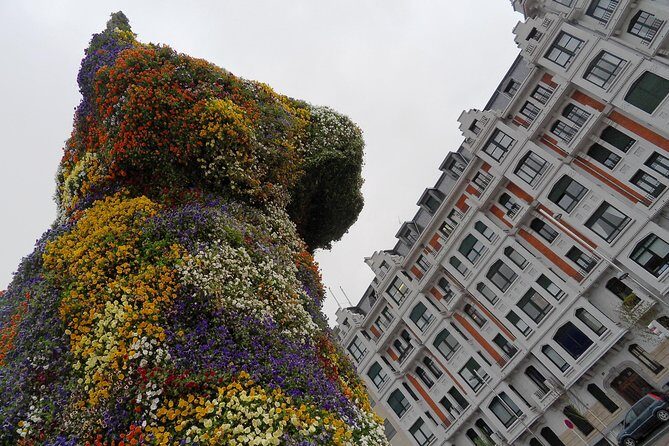
You’ll spend time in the old town, where the city’s older layers become visible in a very walkable way. This is usually where you’ll notice tighter streets, historic-looking structures, and the kind of architecture that makes you understand how people once moved and lived before cars took over.
The value of this part isn’t just seeing old buildings. It’s learning how those streets connect to later growth. When you understand the old town’s role, the modern neighborhoods and viewpoints start to make sense instead of looking random.
Practical tip: expect to keep moving and pay attention to the guide’s explanations. The more you listen, the easier it gets to spot what the guide is pointing out even after you walk away.
Modern City + Tourist Area: Compare the City’s Two Speeds
After the old town, the tour shifts to the modern city and also touches the tourist area. That contrast is useful. San Sebastián can feel like it’s split between what visitors photograph and what residents actually use day to day.
In the modern sections, you’re more likely to notice civil and religious architecture working side by side—different functions, different periods, and different messages built into the same urban space. The guide also frames what you’re seeing so it feels like a coherent story, not just a sequence of buildings.
If you’re someone who likes people-watching, this portion helps. You get a sense of where the city slows down for atmosphere and where it’s more practical for daily movement.
Military Remains: Why They Still Matter in the City
One standout focus is the military remains segment. San Sebastián didn’t grow in a vacuum, and the guide’s job is to connect those remnants to the city’s strategic position—by the sea, tied to ports, and exposed to historical conflict.
You’ll also get to see these areas as part of the city fabric, not as “detached ruins.” That’s important. A lot of history tours treat military sites like something you only visit; this tour aims to show how they shaped views, routes, and the layout of neighborhoods.
If you like history but don’t want museum-only pacing, this is where the story tends to feel more grounded. The buildings and remains are part of what’s around you, and the guide ties that to what the city became.





Religious Architecture: More Than Pretty Facades
The tour includes religious architecture, and the point isn’t just that it looks good on a photo. Religious buildings in older European cities often signal wealth, power, community priorities, and how urban life organized itself.
You’ll hear history that connects those structures to the broader development of San Sebastián—past remains, the evolution of civic space, and how the city’s identity formed over time. Because it’s a walking format, you also get to see how religious sites sit among streets and daily life instead of being isolated.
If you’re sensitive to information overload, pace yourself. This kind of stop can become fact-heavy if you’re not in the mood. But the tour’s short total time helps keep it from turning into a lecture.
Views From the Heights: Mountains, Sea, and Beach in One Thread
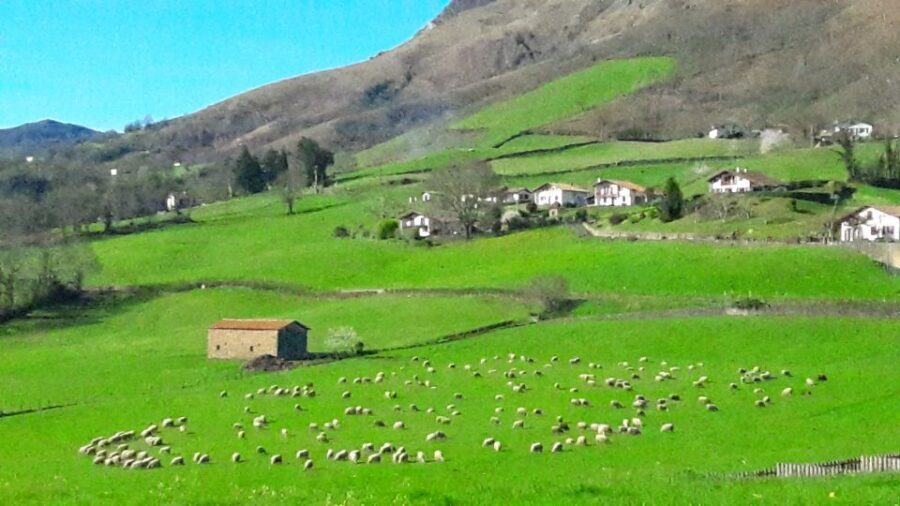
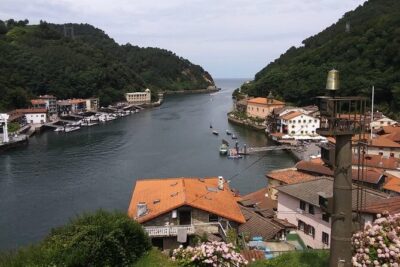
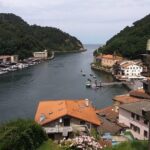
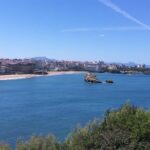
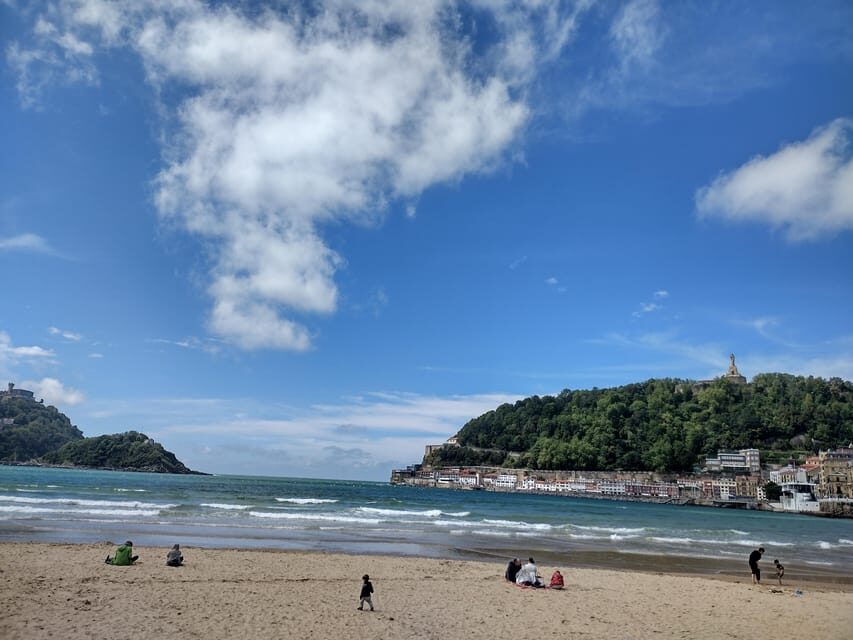
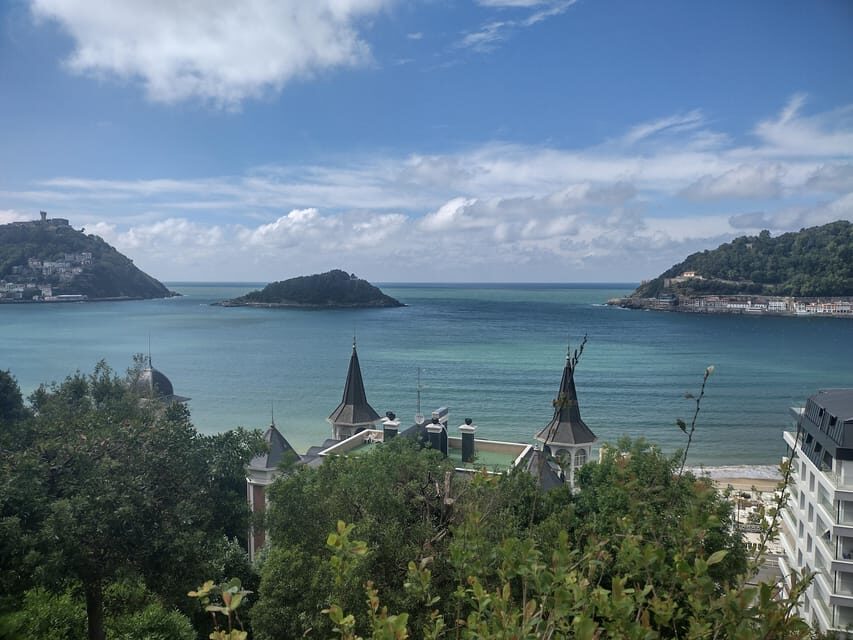
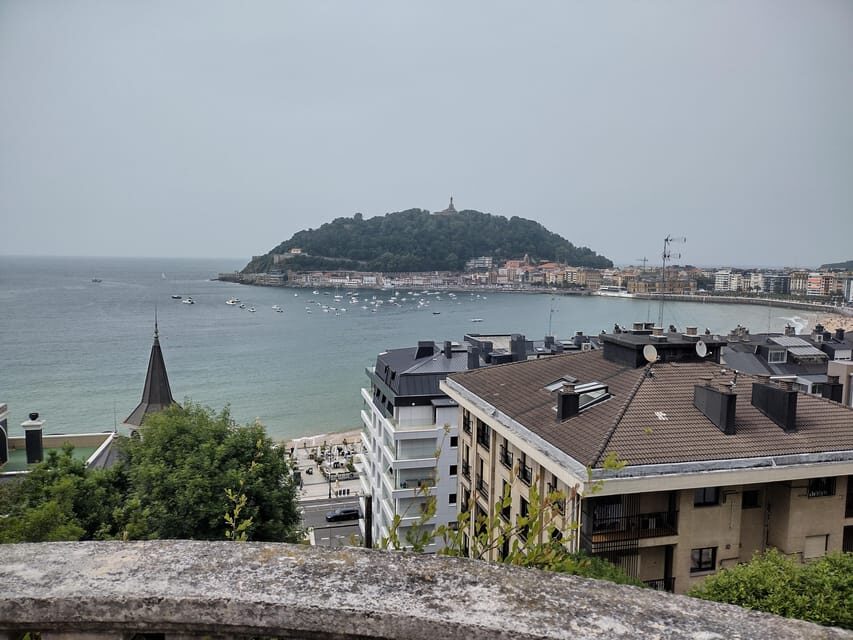
The best perk is the visual payoff. The tour is built around panoramic viewpoints you can enjoy from higher ground, with scenes spanning the mountains, sea, port, and beach.
This is where you start to appreciate San Sebastián’s geography. When you see the city from the heights, the walking makes sense: why certain streets feel like routes between levels, why the coast seems so close, and why neighborhoods pop into view in chunks rather than all at once.
What I like about this approach is the “earned view” feeling. You’re not just handed an overlook; you’re shown the city so your eyes know what they’re looking at.
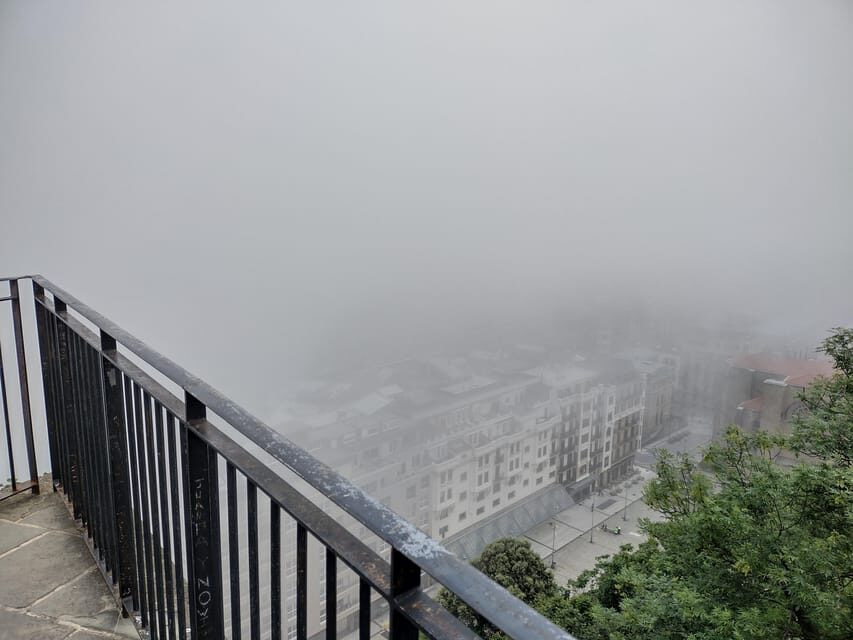
Good shoe call: bring footwear with grip. You’ll be walking on uneven surfaces, and the best part of the tour is wasted if you’re forced to rush through the viewpoints.
The Guide Experience: Ignacio’s Approach (and One Caution)
A big reason people enjoy this tour is the way the guide teaches. One confirmed positive experience highlighted Ignacio as a wonderful guide who gave strong cultural and historical context and was open to questions about life in San Sebastián. The style described wasn’t rigid. It felt more like walking with a friend who knows the city’s details.
That matches what you want from a tour like this: practical explanations and flexibility. When you can ask questions, you can steer the walk toward what interests you—architecture, neighborhoods, or how locals experience the sea.
Now the caution: there was also one negative report where the guide did not show up and did not answer the phone. I can’t predict how your experience will go, but it does mean you should plan to confirm start-time details and keep your guide’s contact method available.
Price That Works for Small Groups
The price is $52 per group up to 3, for 110 minutes. The math is simple: if you fill the group size with three people, you’re looking at about $17.33 per person. That’s a big reason this tour can feel good value for friends or couples who want a guided orientation without paying per person at a higher rate.
Also, the guide includes access to non-touristy spots and panoramic views, which is where tours often cost more. Here, the cost is still grouped and straightforward.
One thing to remember: entrance fees are not included, and food and drinks aren’t included either. So think of this as a walking-and-looking experience. If you plan to turn it into a meal afterward, build that into your schedule.
Who Should Book This Walk (and Who Should Skip It)
This tour is a great fit if you want:
- a short, organized way to understand San Sebastián’s layout
- guided context for old town, modern areas, and viewpoints
- panoramic city views tied to history and architecture
It’s probably not the best fit if:
- you need wheelchair accessibility or mobility support (it’s not suitable for wheelchair users and people with mobility impairments)
- you dislike uneven walking surfaces
- you only want stops with long sit-down breaks
If you’re planning a busy day and want one activity that connects multiple parts of town, this one does that job well.
Quick FAQ
FAQ
How long is the San Sebastián walking tour?
It lasts 110 minutes.
Where do we meet, and where do we return to?
You meet at Hotel María Cristina and return to Hotel María Cristina.
What languages are offered?
The live tour guide is available in Spanish, French, and English.
Is this tour suitable for wheelchair users?
No. It is not suitable for people with mobility impairments or wheelchair users.
What should I bring?
Bring water. The walk includes uneven surfaces, so comfortable shoes help.
Is food or entrance fees included?
No. Food, drinks, and entrance fees to attractions are not included.
How much does it cost?
It costs $52 per group up to 3 people.
Should You Book This Tour?
If you’re the type of traveler who likes to understand how cities work—streets, buildings, viewpoints, and the logic of neighborhoods—then yes, this tour is worth considering. The small-group setup, the focus on panoramic views, and the mix of old town, modern city, and military and religious architecture make it a strong use of 110 minutes.
I’d book it with one realistic caveat: because at least one past booking reported a guide no-show and no phone response, I’d treat it like any live-guided activity and make sure you have your confirmation details and contact info ready right before departure. If that’s handled, you’re likely to come away with a much clearer sense of San Sebastián than you’d get from wandering alone.