REVIEW · SAN SEBASTIAN
San Sebastian: Walking Tour with Pintxo and Drink
Book on GetYourGuide →Operated by Local Experts Tours · Bookable on GetYourGuide
San Sebastián in 2 hours, with pintxos. I love how the tour stitches together Belle Époque landmarks and then drops you into the Old Town’s church-and-square layout. I also like the simple payoff at the end: one pintxo and a drink (when your option includes it) that makes the walk feel worth it. The only snag: if you’re hunting for a long pintxo crawl, this is mostly a city-orientation walk, with food kept brief.
This guided route is designed to help you understand how the city grew—from the nineteenth-century walled origins to later expansion—and then to point you toward where to eat next. Guides named in recent feedback (like Diego, Julien, Andrea, Iker, and Francisco) show up as friendly, quick to answer questions, and good at keeping the pace moving without feeling rushed.
In This Review
- Key highlights you’ll actually notice
- Meeting at the Tourist Office: start point and first impressions
- Boulevard de Donostia to City Hall: the elegant side of town
- Buen Pastor Cathedral and the Belle Époque scene around Hotel Maria Cristina
- Victoria Eugenia Theatre: where culture shows up
- Sliding into the Old Town: churches, squares, and pintxo streets
- Mercado de la Bretxa and the everyday food vibe
- Constitution Plaza to Fermín Calbetón: key anchors before the food stop
- The pintxo and drink ending: what you get, and what it means
- How the guides shape the tour (and how to benefit from that)
- Price and value: is $17 a smart deal?
- Timing, walking pace, and comfort on coastal San Sebastián
- Who should book this tour?
- Should you book this San Sebastián pintxo walking tour?
- FAQ
- How long is the walking tour?
- Where does the tour start?
- What’s included in the price?
- What languages are the guides?
- Is the tour wheelchair accessible?
- Do I need a small group option to get the pintxo and drink?
- What if the minimum group size isn’t reached?
Key highlights you’ll actually notice
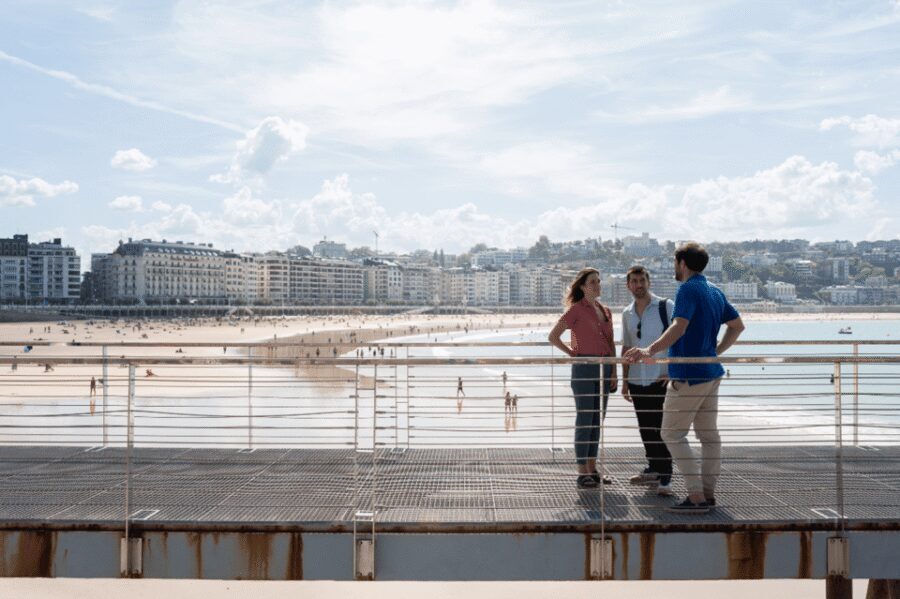
- Belle Époque stops you can spot fast: Hotel Maria Cristina and Victoria Eugenia Theatre
- Churches that explain the Old Town: San Vicente and Santa María/Coro area landmarks
- Old Town pintxo streets and squares with route-setting local context
- Mercado de la Bretxa pass-by for a quick look at everyday food energy
- End with a bar pairing: one pintxo plus a drink for small-group option bookings
- Guides that adjust the pace (including reports of extra attention for slower walkers)
Meeting at the Tourist Office: start point and first impressions
Your tour begins at the main San Sebastián tourism office, Alameda del Blvd., 8 (look for it near the Boulevard area). Plan to meet outside the office, not inside—this is the kind of tour where a few minutes matter.
Since it’s a walking route and listed as wheelchair accessible, you’ll want to bring comfortable shoes and be ready for uneven old-street sections once you hit the Old Town. The upside is that you’re starting from a central, easy-to-find spot, so you’re not spending precious walking time figuring out where to go.
Other pintxos tours we've reviewed in San Sebastian


Boulevard de Donostia to City Hall: the elegant side of town
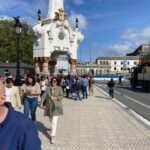
Early on, you’ll get the “big picture” of San Sebastián. You pass along the Boulevard de Donostia, which is where the city looks polished and ceremonial—more grand promenade than tight-lane maze.
From there, the route swings by Donostia-San Sebastián City Hall. It’s a short stop by design, but it helps you anchor your orientation: this is where the city’s formal civic identity shows up, and it’s useful for understanding what area you’re in when you later wander.
This part of the walk is also where the tour’s timing makes sense. In just a bit, you’ll go from “where am I?” to “I get the layout.” That’s the hidden value of a well-run introduction walk.
Buen Pastor Cathedral and the Belle Époque scene around Hotel Maria Cristina
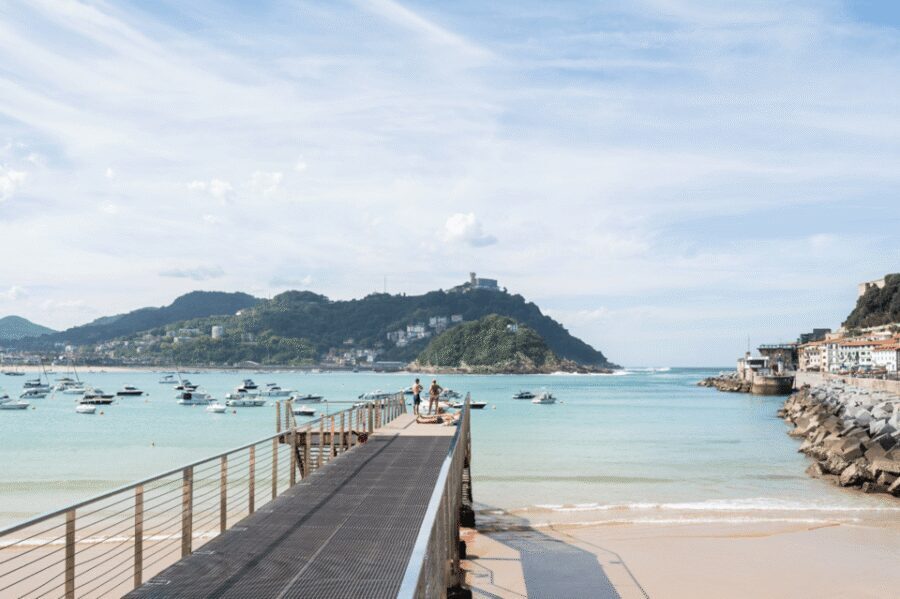
Next up, the Buen Pastor Cathedral is a key sight on the route. Even if you only glance as you pass, it sets the tone: San Sebastián mixes religion, civic life, and architecture in a way that feels personal, not museum-like.
Then you’ll gaze toward the Hotel Maria Cristina (a well-known luxury landmark). This is one of those buildings you’ll remember later once you connect the dots: it sits in the city’s Belle Époque story, when San Sebastián attracted visitors and built up its elegant public face.
If you like architecture, you’ll appreciate that the guide doesn’t treat these places like isolated postcards. You get the why behind the what, tying nineteenth-century beginnings to later growth.
Victoria Eugenia Theatre: where culture shows up
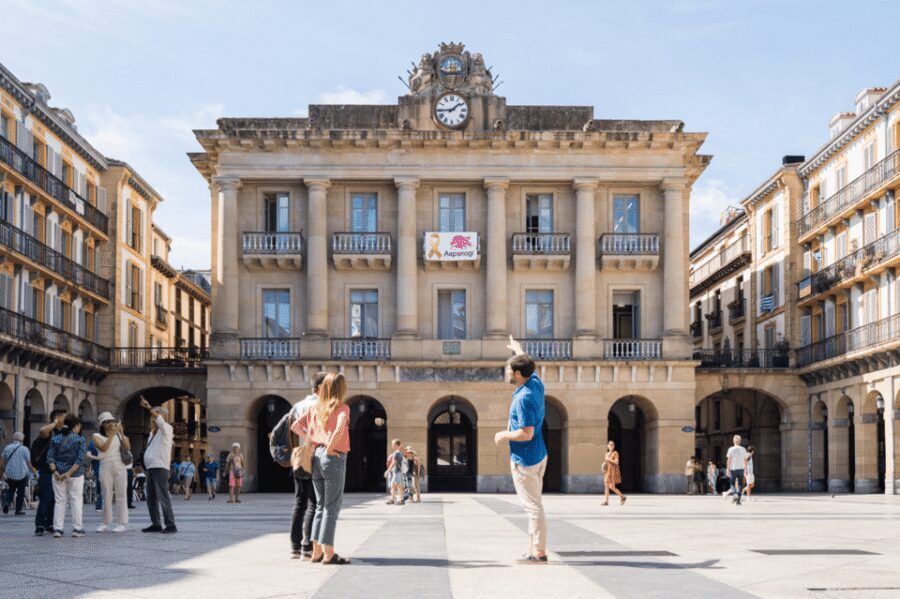
The Victoria Eugenia Theatre is another stop that helps you read the city. It’s not just a building you pass; it’s a clue to how people used to gather here for cultural life.
This is also where I’d listen carefully if you’re the type who likes context. Theatre stops tend to trigger stories about who lived in the city at different times and how entertainment, money, and social life shaped what got built.
In feedback, guides like Julien and Beatriz were praised for making history feel conversational—this is the kind of detail-driven moment when that style matters.
Sliding into the Old Town: churches, squares, and pintxo streets
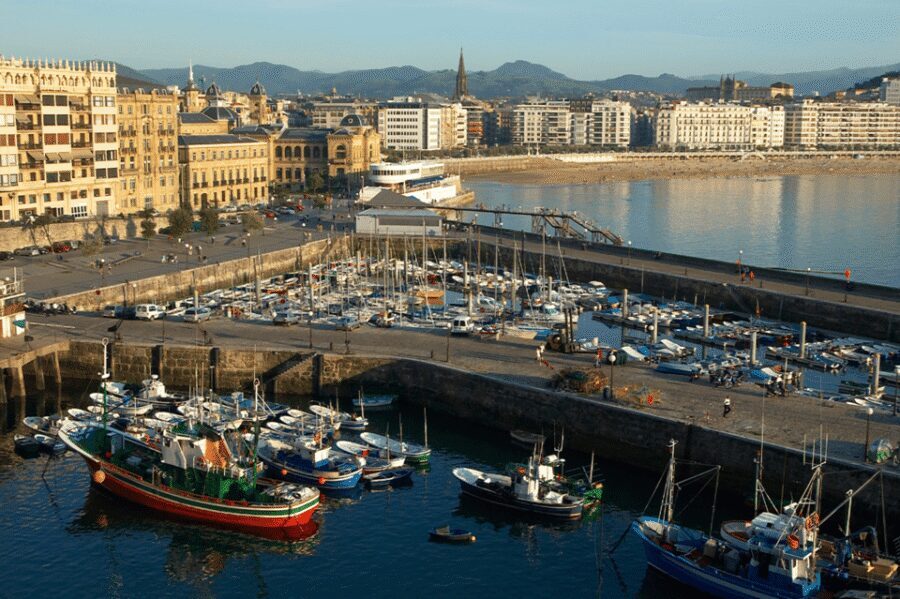
After the more open boulevard feel, the route heads into the city’s ancient heart. This section is the real “San Sebastián moment” for most people: tight lanes, small squares, and that unmistakable rhythm that makes the city feel like it’s always in mid-conversation.
You’ll encounter the Old Town area, then move past key church landmarks:
- San Vicente Church (quick pass-by but important for understanding the neighborhood)
- Basilica of Saint Mary of Coro in the broader church-and-square zone
Here’s why these church stops matter. In a city like this, churches are not just religious sites. They’re fixed points in a street network that evolved over time. When you understand where the churches sit, you stop getting lost so easily—and you start noticing where streets lead toward pintxo bars.
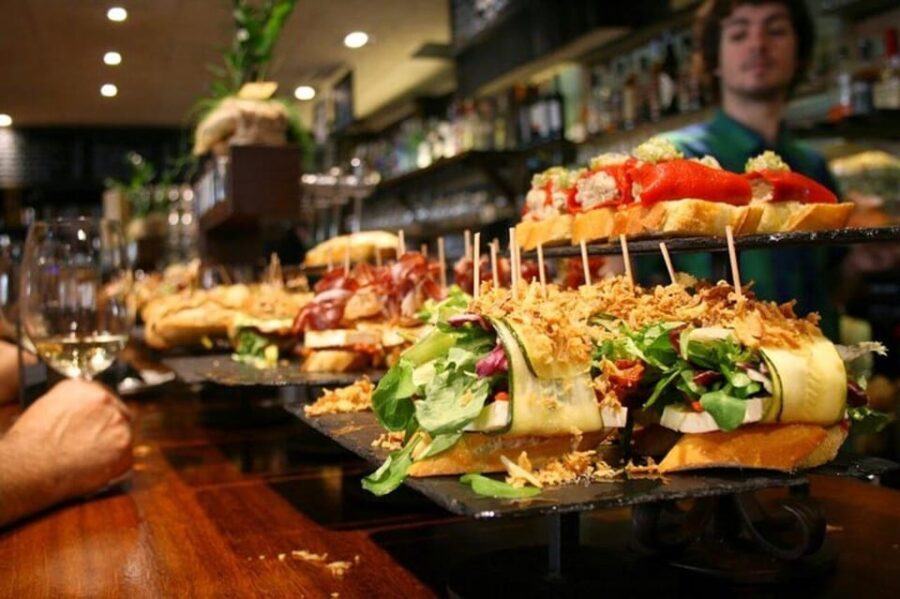
This is also where the tour gives you a sense of the pintxo culture that made the city famous, not in a lecture way, but with practical guidance on where to keep exploring after the tour ends.
Other pintxos and wine tours in San Sebastian



Mercado de la Bretxa and the everyday food vibe
You’ll pass by Mercado de la Bretxa, which works as a quick reality check. The tour is historical and architectural, but markets keep you grounded in the present.
Even if you don’t stop inside, the value is in learning what kind of city San Sebastián is day-to-day: food is not a side quest here—it’s part of the city’s daily identity.
If you’re planning your own afternoon pintxo crawl later, this is the mental link that helps. You’ll already know where the market energy sits relative to the areas you just walked through.
Constitution Plaza to Fermín Calbetón: key anchors before the food stop
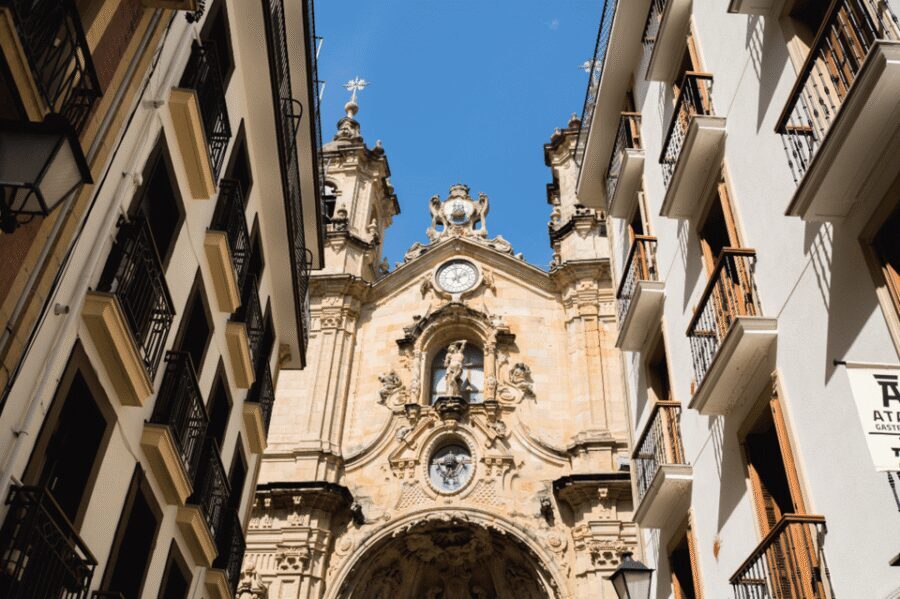
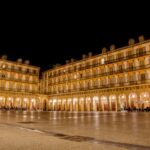
As you continue, you’ll pass by Constitución Plaza and Fermín Calbetón. These are the kind of locations that act like navigation handles. In plain terms: they’re places you can use to re-orient yourself when you wander on your own later.
Also, they sit in the general flow toward the Old Town lanes where most people want to end up. The route is built so the final tasting moments feel natural rather than tacked on.
The pintxo and drink ending: what you get, and what it means
The tour finishes the way San Sebastián does best: with a food-and-drink break in the Old Town.
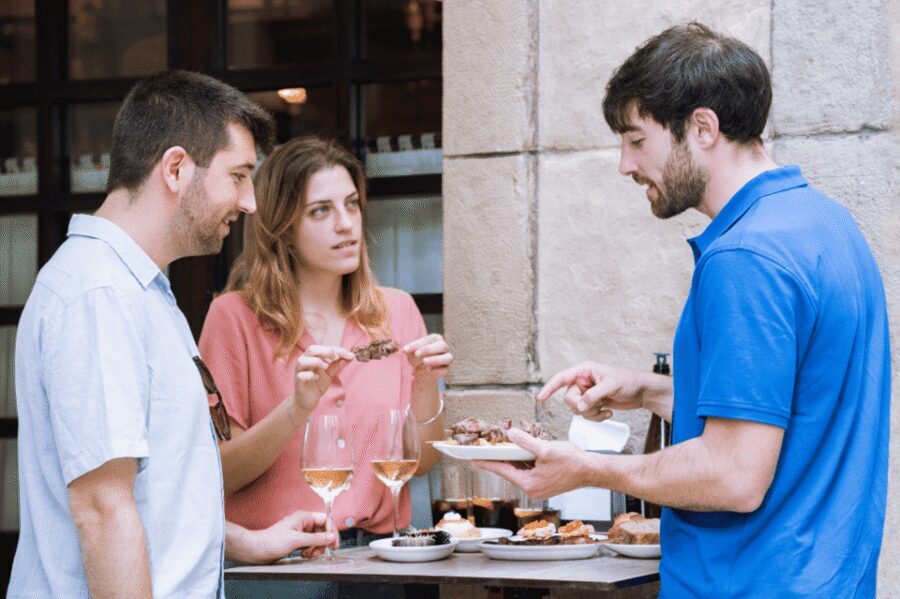
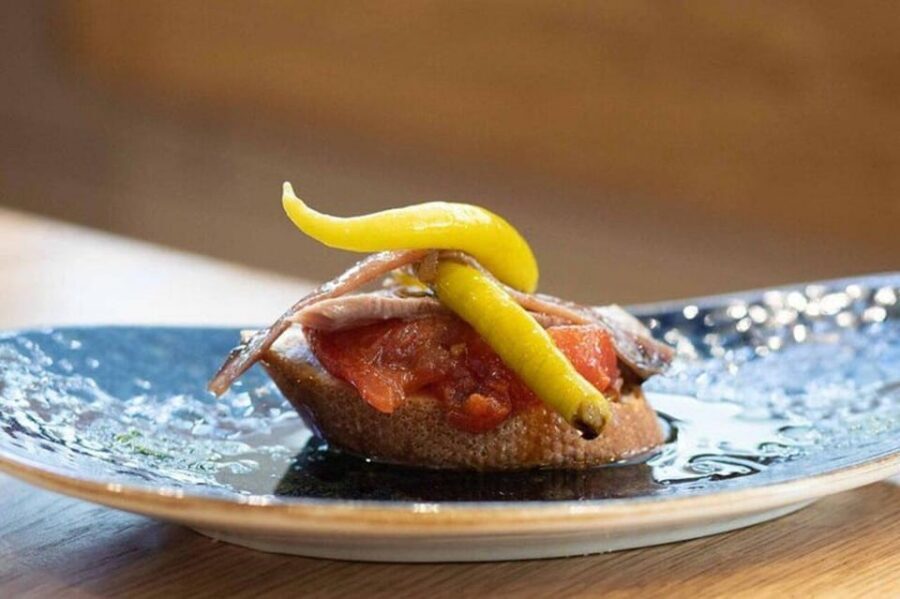
You’ll stop at a local restaurant/Old Town bar area for the tasting segment (a short food tasting is part of the route). The included experience is listed as one pintxo and a drink per person, but with an important condition: it’s tied to the small group option selected.
That’s worth planning around. If your booking includes that small-group element, you can expect the standard “walk + one proper pintxo pairing” ending. If not, the route still gives you the orientation and recommendations, but you may need to pay for drinks/extra bites yourself.
One more practical note: a few people found the pintxo piece a little short for what they expected from the title. So I’d treat this as a tasting starter, not the main event. Use the tour to learn what to order next, then continue your own pintxo mission afterward.
How the guides shape the tour (and how to benefit from that)
The biggest recurring theme in feedback is that the guiding style matters. Names that come up include Diego, Jonathon, Julien, Andrea, Iker, Beatriz, Fabian, Eva, Francisco, Victor, and Francesco. Across them, you’ll see praise for being friendly and very good at explaining city history in a way that doesn’t feel like homework.
What you should try to do during the walk:
- Ask where locals actually go for more pintxos after the tour. The best guides tend to share practical follow-ups.
- Listen for the “why” behind street layout and landmark timing. It’s the difference between memorizing stops and understanding the city.
- If you have mobility limits, use the fact that pace can be adjusted. One report specifically highlighted extra care for someone with a bad knee, including help with seating at the end.
Also, keep in mind that hearing can be an issue on walking tours. One review flagged that understanding the guide can be harder at times. If you’re sensitive to that, choose a position closer to the guide and don’t be afraid to ask for repetition.
Price and value: is $17 a smart deal?
At $17 per person for 1.5–2 hours, the value is strong if you want a fast intro plus a tasting stop. You’re not paying for a huge feast—you’re paying for:
- a guided route that hits the key sights you’d otherwise connect slowly on your own
- historical and architectural context for why the city is shaped the way it is
- a pintxo/drink payoff at the end when your option includes it
It’s also a good fit for short stays. In a city with a lot going on, a tour like this can help you stop guessing. You finish with a mental map and specific direction for what to do next.
If you’re already fluent in Basque food culture and only want to hop bar-to-bar, you might feel the tour is light on the number of tastings. In that case, this works best as a first-night orientation, not as a full pintxo itinerary.
Timing, walking pace, and comfort on coastal San Sebastián
Plan for a 1.5–2 hour walk, with multiple pass-by moments. That means you’ll be moving fairly steadily, even though there are short stops for viewpoint breaks and discussion.
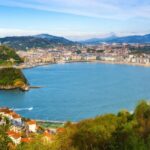
Weather is a real factor. Rain clothes aren’t included, so bring a light rain layer if skies look questionable. San Sebastián sits by the Atlantic, and sudden coastal weather changes are common-sense travel planning.
And don’t underestimate footwear. Old Town streets can be uneven, and you don’t want to be thinking about your shoes when you’re trying to enjoy the sights and the guide’s stories.
Who should book this tour?
This tour is ideal if you:
- want to learn the city layout fast and not spend your first day backtracking
- like walking tours with real context—history, architecture, and how neighborhoods fit together
- plan to do pintxos later and want guidance on what to look for and where to return
- appreciate small-group energy (when that option is available), especially for the pintxo and drink ending
It might be less ideal if you:
- want a longer, multi-stop pintxo crawl as the main event
- hate guided groups and prefer to roam with no structure at all
Should you book this San Sebastián pintxo walking tour?
Yes, I’d book it if you’re new to San Sebastián or you want to spend your limited time with maximum payoff. The route does a smart job of combining the city’s formal, elegant identity with the Old Town layout that makes pintxo hopping so easy afterward.
If you do book, go in with the right mindset: think orientation + tasting starter. Then use the guide’s direction to build your own longer pintxo evening.
One last tip: come hungry, but don’t expect the tour to replace a full pintxo night. Treat it as your guided “first taste,” and you’ll end up getting more out of the rest of your day.
FAQ
How long is the walking tour?
The tour runs about 1.5 to 2 hours.
Where does the tour start?
It meets at the San Sebastián tourism main office, Alameda del Blvd., 8, 20003 Donostia-San Sebastián. You should wait outside the office.
What’s included in the price?
You get a local tour leader and the walking tour. The tour also includes one pintxo and a drink per person in the Old Town if the small group option is selected.
What languages are the guides?
The live tour guide is available in Spanish and English.
Is the tour wheelchair accessible?
Yes, the tour is listed as wheelchair accessible.
Do I need a small group option to get the pintxo and drink?
The included pintxo and drink is specifically stated as per person in the Old Town when the small group option is selected.
What if the minimum group size isn’t reached?
The tour requires a minimum group size (2 people, or 4 in the bilingual group option). If it isn’t reached, the provider will offer an alternative date or a full refund, and you’ll be contacted at least 3 days in advance.