REVIEW · SAN SEBASTIAN
From San Sebastian: Sanctuary of Lourdes
Book on GetYourGuide →Operated by Ikusnahi Tours · Bookable on GetYourGuide
Four hours in Lourdes feels like a lifetime. This private tour from San Sebastián lets you follow Bernadette’s steps through the grotto and major basilicas, with time for the prayers or Mass that match your interests—plus the comfort of a private minivan ride.
I love how the sanctuary stops are sequenced so you’re not just walking around, you’re understanding what you’re seeing. I also like that you get real choices during your 4-hour time on site: you can explore the complex or attend prayers and Mass, depending on the schedule.
The main drawback is simple: it’s a long day with an early start, and food isn’t included (unless specified), so you’ll want to plan for meals on your own.
In This Review
- Key takeaways before you go
- A Morning Start from San Sebastián: Worth the Early Wake-Up
- Lourdes Through Bernadette’s Story, Not Just Postcards
- Inside the Crypt and the Basilica of the Immaculate Conception
- Basilica of the Rosary and Saint Pius X Underground: Two Extremes of Scale
- The Grotto of Massabielle: Sacred Water and the Bernadette Route
- How the 4 Hours Works: Prayers, Mass, and Your Pace
- The Private Guide Advantage: When Names Like Martín or Marcelo Show Up
- Price and Value: Why $517 Can Make Sense
- Who Should Book This (and Who Might Not)
- Should You Book Ikusnahi’s Lourdes Day Trip?
- FAQ
- How long is the Lourdes trip from San Sebastián?
- How many hours do I spend at the sanctuary?
- Is this tour private or shared?
- What languages are available for the live guide?
- Are meals included in the price?
- What main places are visited in Lourdes?
- Can I attend prayers and Mass during the visit?
- Do I need to bring a passport?
- What’s the cancellation window?
Key takeaways before you go
- Private guide + driver means the day runs on your time, not a crowded bus schedule
- 4 hours inside the sanctuary gives enough room to see key basilicas and still sit for prayers or Mass
- A guided Bernadette route turns the visit into a story you can follow step by step
- Major church contrasts: ornate basilicas above ground and the massive underground Saint Pius X
- No meal included means you should budget extra time and money for lunch or snacks
A Morning Start from San Sebastián: Worth the Early Wake-Up
You should expect an early departure. The day begins with a comfortable two-hour motorway transfer, and the point of that drive isn’t wasted time. Your guide uses it to set context—history of the region, local traditions, and what Lourdes means to pilgrims.
This matters because Lourdes can feel overwhelming if you arrive cold and tired. When you’ve already heard the basic timeline—Bernadette’s experiences in 1858 and how the sanctuary grew from there—the sights become more than architecture. They start to read like chapters.
One more practical note: it’s a private group and you’ll have hotel pick-up and drop-off, which makes the morning easier than figuring out transport yourself. The trade-off is you’re committing to the full day length: 8 hours total means you’ll want to keep your plans simple for the rest of the day.
Other Lourdes and Pyrenees day trips from San Sebastian
Lourdes Through Bernadette’s Story, Not Just Postcards
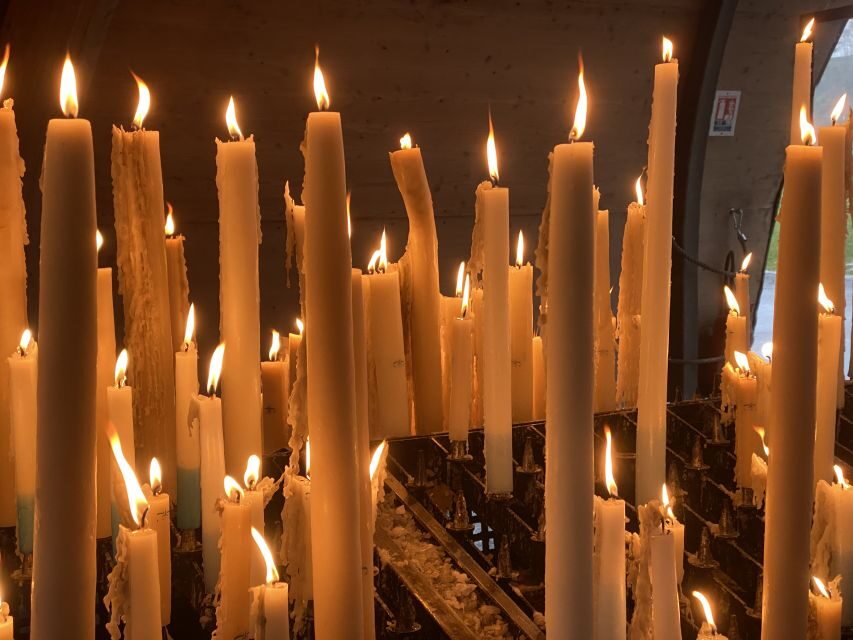
Lourdes is often described as charming, medieval, and pilgrimage-famous. But what actually drives the town is a single turning point. In 1858, the Virgin Mary appeared multiple times to Bernadette Soubirous in a grotto near the River Ouse area. That is the origin story behind everything you’ll see today.
Here’s what I like about approaching Lourdes this way: you don’t have to agree with anything religious to appreciate the human side. You’re watching how a community responded to an experience, how faith turned into landmarks, and how those landmarks now hold space for people from many places on Earth.
During your visit, your guide frames each stop around the same question: what does this place help pilgrims do? Some sites help people remember. Some help them pray. Some help them process emotion—quietly, with ceremony, and often with repetition.
And if you want a concrete way to structure your time, the tour does that for you. You’ll follow the steps of Bernadette, which is a simple idea with a big payoff: it gives the day a path, not just a checklist.
Inside the Crypt and the Basilica of the Immaculate Conception
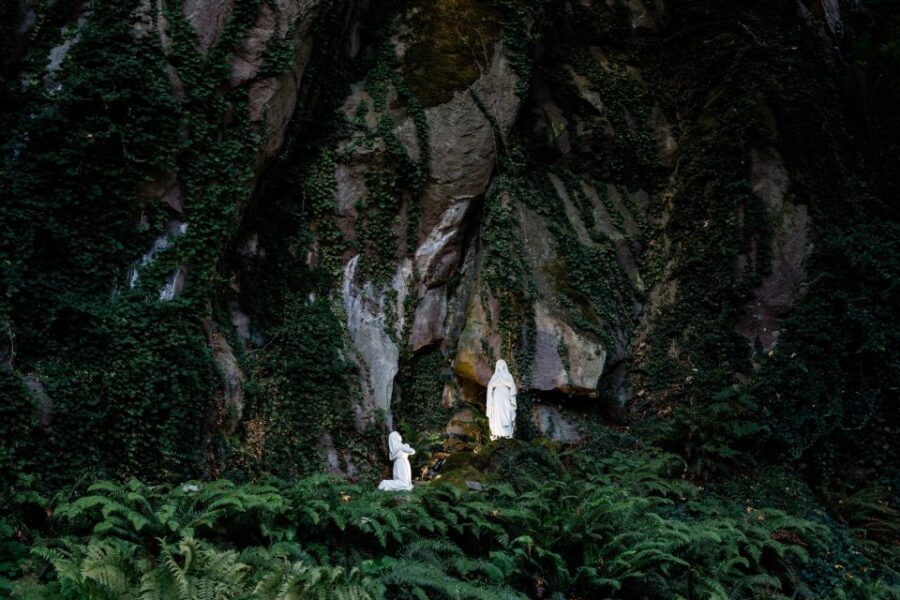
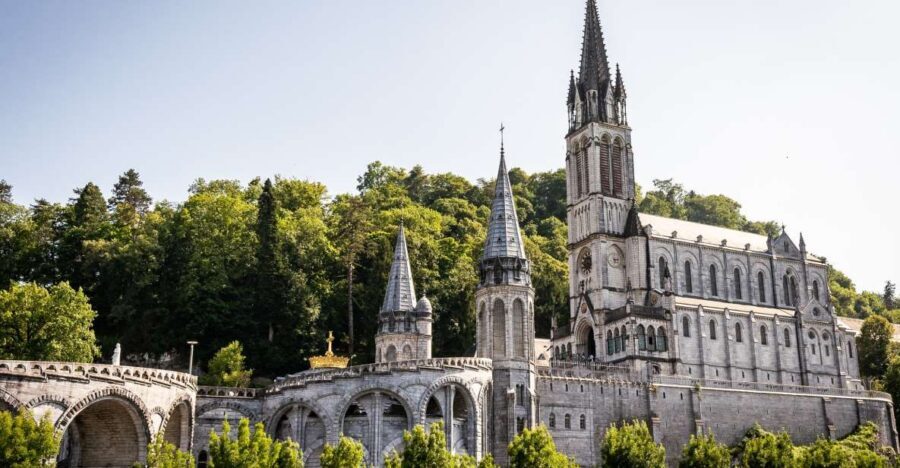
The sanctuary has multiple layers, literally. The first major stop is the Crypt, described as the original sanctuary area. It’s decorated with votive offerings—little signs of devotion and gratitude from the faithful. Even if you’re not a church-details person, this is one of the most moving rooms in Lourdes because it feels personal. People come with stories, and the crypt becomes a wall of those stories.
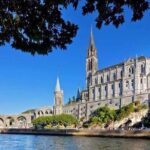
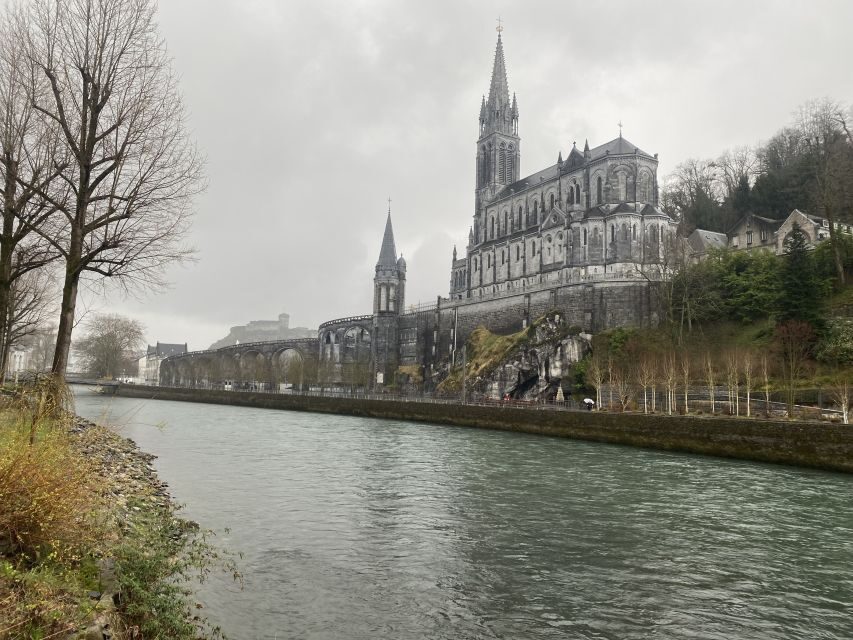
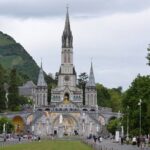
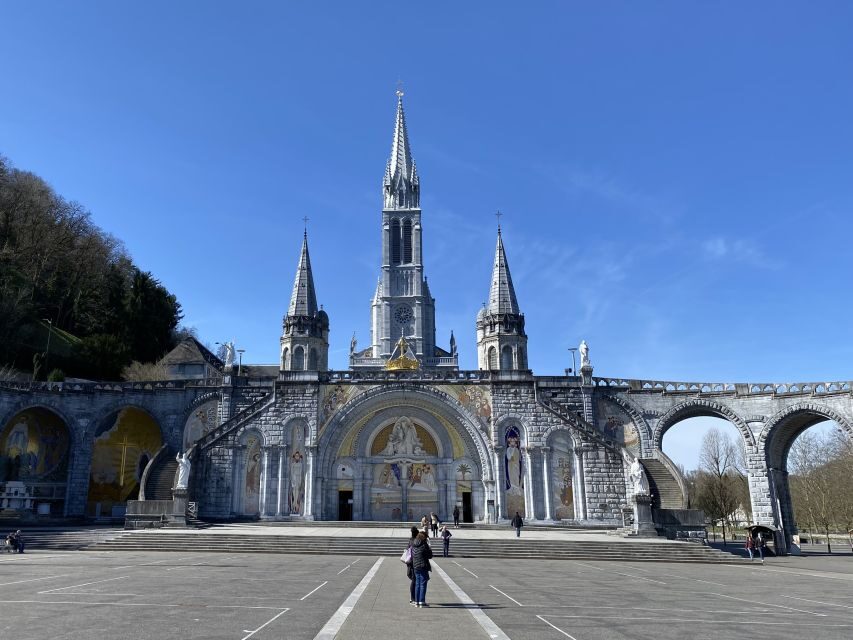
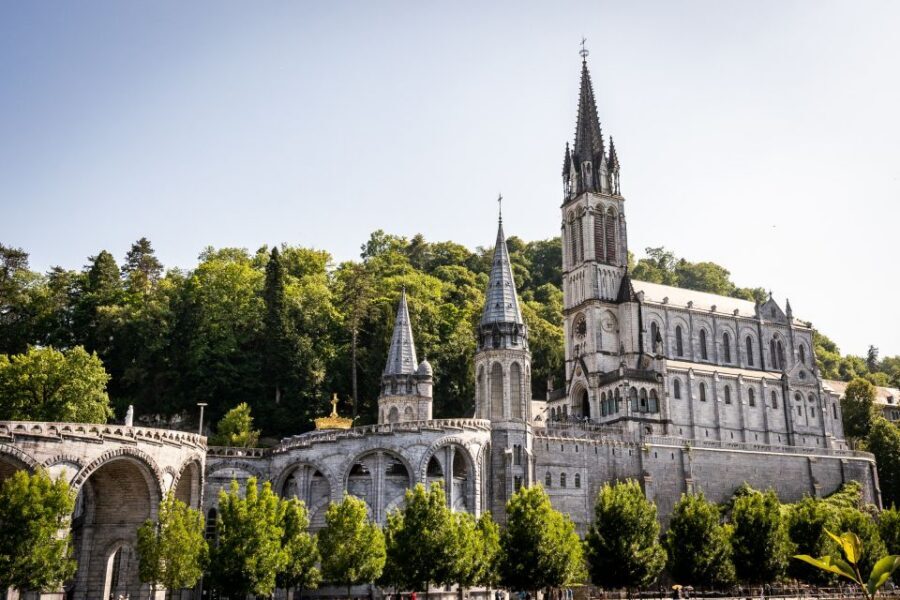
Next comes the Basilica of Our Lady of the Immaculate Conception. The highlight here is the stained-glass work. Instead of only showing generic religious imagery, the stained glass tells the story of the apparitions. That turns your walk into a kind of guided reading: you can look at the light, follow the scene sequence, and understand what each panel represents.
A practical benefit: these two stops are a strong pairing because they cover both the emotional and the narrative side. The crypt gives you the human “why.” The stained glass gives you the “what happened,” in an easy visual format.
Basilica of the Rosary and Saint Pius X Underground: Two Extremes of Scale
Then the experience stretches again, this time in style and size.
The Basilica of Our Lady of the Rosary is described as Romanesque-Byzantine, and it’s full of luminous artwork—gold and Venetian mosaics are key features. The design choices matter because they create a specific atmosphere: bright, reflective, and meant to hold attention. If you’re the type who likes to see how art communicates, this is where you’ll feel it most.
After that, you head to the underground basilica of Saint Pius X. This one is in Brutalist style, and it’s spacious enough to host more than 25,000 people. That scale is hard to picture until you’re there. The underground setting also changes how sound and motion feel, so it’s not just a big room—it’s a different kind of spiritual space.
This is a tour highlight for a reason. You get contrast: ornate mosaics above ground, and then a massive underground church built for collective worship. If you’ve ever wondered how religious spaces adapt to modern pilgrimage crowds, this comparison answers it clearly.
The Grotto of Massabielle: Sacred Water and the Bernadette Route
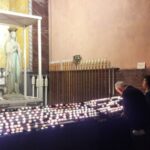
If Lourdes has a center of gravity, it’s the Grotto of Massabielle. This is where Bernadette experienced the apparitions that spread worldwide attention, and it’s the place tied directly to Lourdes’ sacred water.
Expect the grotto visit to feel more focused and personal than the basilicas. Even if you’re only seeing it briefly, the grotto communicates purpose: this is the “where” behind the stories. Pilgrims come from all continents, year after year, because they believe the water connects to faith.
The tour’s emphasis on following the steps of Bernadette also makes this stop easier to experience with intention. Instead of wandering, you’re walking with meaning. And because the day is guided, you’re more likely to notice details you would miss on your own.
One consideration: if your plan is to attend prayers or Mass, you may want to time your grotto moment accordingly. The tour gives you structure, but the sanctuary schedule is a factor, and the best moments depend on what’s happening that day.
How the 4 Hours Works: Prayers, Mass, and Your Pace
Your on-site sanctuary time is 4 hours with Ikusnahi. Within that window, you can either visit the complex or attend prayers and Mass—depending on your preference.
That choice is a big deal. Lourdes has two different “languages.” One is the language of seeing: Crypt, basilicas, mosaics, stained glass, and architectural style. The other is the language of participation: prayer and liturgy. Many visitors want both, but squeezing both without guidance often turns into stress. Here, the tour explicitly sets it up so you can do one or the other without feeling like you’re missing the most important piece.
The sanctuary is open year-round, but celebration schedules change. The good part is that your team will handle the schedule aspect, and you won’t be left guessing what’s happening. Still, it’s smart to match your own expectations: if you care most about architecture, choose your timing to maximize sight-seeing. If you care most about ceremonies, plan to be ready when prayer moments begin.
You’ll also find that the overall rhythm is calmer than you’d expect for a full day. Private guiding helps you move through space with fewer interruptions, so the day feels like a thoughtful visit rather than a timed race.
The Private Guide Advantage: When Names Like Martín or Marcelo Show Up
In a private tour, the guide is part of the product. That’s true here, and you can feel it because Lourdes isn’t just a set of famous buildings.
Guides you may be paired with include people with names like Martín, Daniel, Gorka, Ikel, and Marcelo. Across those different guides, the common thread is a strong focus on helping you understand what you’re seeing and how to participate during the day. The best moments happen when the guide isn’t only giving facts, but also helping you choose what to prioritize—so you don’t end up in a corner or missing a service you wanted.
Since languages are English and Spanish, you can expect explanations in those languages. If you speak one of them, you’ll get more out of the stained glass storylines, the crypt’s votive context, and the way the basilicas reflect pilgrimage life.
This is also where the private format pays off emotionally. You can ask questions, adjust pacing, and keep the day comfortable rather than forcing everyone to match a single group plan.
Price and Value: Why $517 Can Make Sense
At $517 per person, this isn’t a budget excursion. But it’s also not just a bus ticket to a famous spot.
You’re paying for:
- a private experienced guide and driver
- hotel pick-up and drop-off
- transport by air-conditioned minivan
- a guided experience built around multiple major sanctuary stops plus optional prayers/Mass
For a place like Lourdes, the value isn’t only the destination. It’s the structure. Without a guide, you might still see the grotto and some basilicas, but it’s easier to miss the meaning of what you’re looking at, and it’s harder to time your day for ceremonies.
Where the price can feel less worth it is if you already plan to go independently and you’re perfectly comfortable navigating schedules and priorities on your own. If you’re the kind of traveler who wants a guided flow—especially for a day that includes religious services—this is where the cost starts to feel justified.
Also, keep the “not included” point in mind: food and drinks aren’t included unless specified. That means your real cost depends on how you handle lunch or snacks. If you go in prepared with a plan, the day stays smooth.
Who Should Book This (and Who Might Not)
This tour is a strong fit if you:
- want a clear guided route that follows Bernadette’s steps
- care about understanding the sanctuary, not just photographing it
- like the option to attend prayers or Mass without worrying about timing
- prefer private comfort with hotel pick-up and drop-off
You might reconsider if you:
- are sensitive to early mornings and a long 8-hour day
- hate planning around schedules (even though your team handles the sanctuary timing)
- want meals included in the price
If you want a meaningful day with context, this delivers. If you only want a quick “see Lourdes” stop, you may feel the cost for a private format.
Should You Book Ikusnahi’s Lourdes Day Trip?
I’d book it if Lourdes is on your list and you want more than a surface visit. The best reason is the mix: major sanctuary sites, a story-driven route, and the chance to participate in prayers or Mass. That combination makes the day feel purposeful.
I’d skip it if you’re trying to do Lourdes super-budget or if you’re planning to go independently with no interest in guided context. In that case, you might prefer a simpler, self-paced plan.
If you’re traveling from San Sebastián and want a straightforward day that’s organized for you, this private Lourdes trip is one of the cleaner ways to get there and still feel like you experienced the place—not just passed through it.
FAQ
How long is the Lourdes trip from San Sebastián?
The tour duration is 8 hours.
How many hours do I spend at the sanctuary?
The sanctuary visit lasts 4 hours.
Is this tour private or shared?
It is a private group.
What languages are available for the live guide?
The live tour guide is available in English and Spanish.
Are meals included in the price?
Food and drinks are not included unless specified.
What main places are visited in Lourdes?
The tour includes key sanctuary sites such as the Crypt, the Basilica of Our Lady of the Immaculate Conception, the Basilica of Our Lady of the Rosary, the underground basilica of Saint Pius X, and the Grotto of Massabielle.
Can I attend prayers and Mass during the visit?
Yes. During the 4-hour sanctuary time, you can attend prayers and Mass of your choice, based on the celebration schedule.
Do I need to bring a passport?
Yes, you should bring your passport.
What’s the cancellation window?
You can cancel up to 24 hours in advance for a full refund.