REVIEW · SAN SEBASTIAN
Private walking tour in San Sebastian
Book on GetYourGuide →Operated by Local Experts Tours · Bookable on GetYourGuide
Donostia reads better with a guide. I love the way your local expert helps you read façades and squares like you’ve lived here, and I love the flexible route that moves from classic promenades to the bay viewpoints at Peine del Viento. One possible drawback: if you’re expecting mostly museum time, this is a street-and-architecture walk, not a slow indoor day.
This is a private, tailor-made experience in Donostia that blends history, architecture, and local life—with stops you can slow down, speed up, or extend depending on how your group feels. The guide will bring history to the sidewalk level, then give you practical recommendations so you can keep enjoying the city after the tour ends.
You’ll also want comfortable shoes and a ready-for-change plan. San Sebastián can shift from sunny to drizzly, and rain clothes aren’t included, so you’ll need to bring your own.
In This Review
- Key things I’d book this for
- Starting at the right spot: the San Sebastián Tourism Office
- Old Town origins and Belle Époque Donostia (the story behind the streets)
- Downtown landmarks that set the tone (City Hall, cathedral, and a hotel pass-by)
- La Concha Beach: a quick photo moment with the right context
- Peine del Viento: art, wind, and the Cantabrian Sea viewpoint
- Old Town San Sebastián: churches, market energy, pintxo-lined streets
- Optional panoramics: Miramar Palace exterior and Tabakalera terrace views
- Duration and pacing: why 2–4 hours is a sweet spot
- What you’re really paying for: $165 per group up to 4
- Practical tips to get the most from the walk
- FAQ
- FAQ
- Where does the private tour start?
- How long is the San Sebastián private walking tour?
- Is this tour private or shared?
- What languages are available?
- What’s included in the price?
- Are food and drinks included?
- Does the tour include La Concha Beach?
- Does the tour include Peine del Viento?
- Can you extend the route for more panoramic stops?
- Is the tour wheelchair accessible?
- Should you book this private walking tour?
Key things I’d book this for
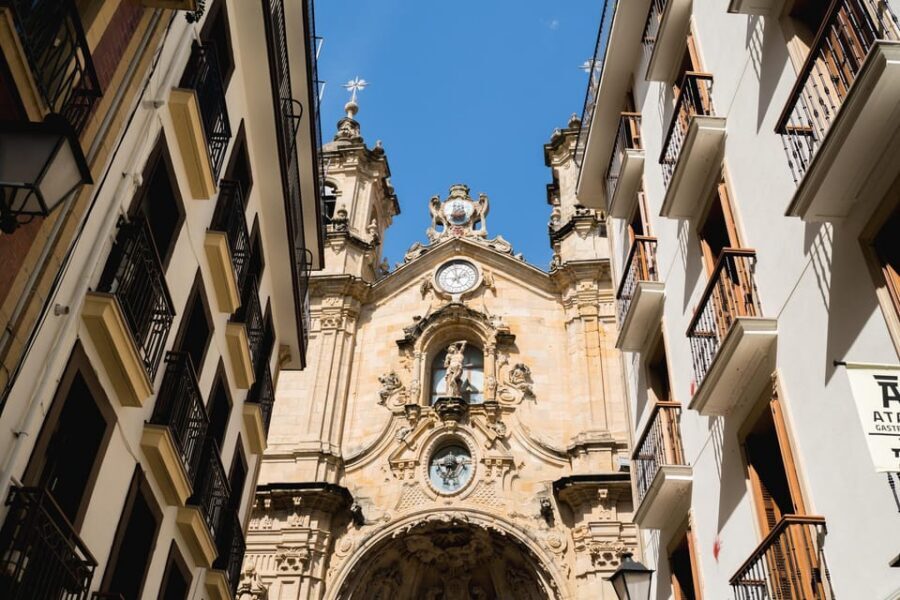
- A guide who makes buildings understandable: you’re not just looking, you’re learning how the city grew and why it looks the way it does.
- Belle Époque Donostia on foot: hotels, theatre, and city landmarks get tied to the city’s expansion story.
- Old Town with pintxo-smart tips: you’ll get directions and context for the streets and squares you’ll actually want to revisit.
- La Concha and Peine del Viento in one flow: classic beach energy plus Cantabrian Sea viewpoints.
- Optional panoramics: Miramar Palace exterior, Tabakalera’s terrace viewpoint, and Chillida’s Peine del Viento area can be added for extra scenery.
- Small, flexible private pacing: better photos and better questions, especially with a group size up to 4.
Starting at the right spot: the San Sebastián Tourism Office
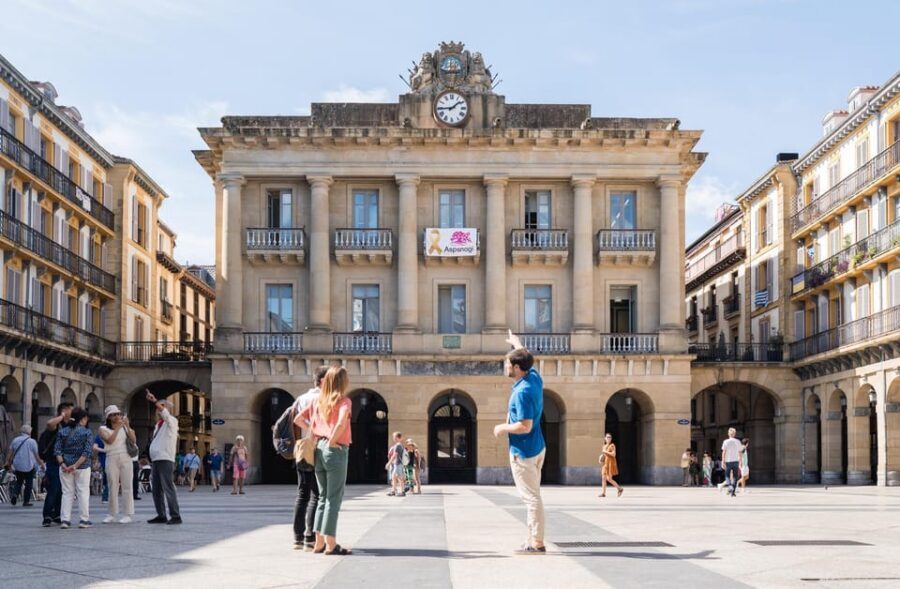
The tour begins at the Oficina de Turismo de San Sebastián on Alameda del Blvd., 8 (20003). It’s easy to find, and you’ll meet your guide outside the tourist office before you head into town.
This matters more than you might think. San Sebastián has a steep learning curve if you try to self-tour. A guide starts you in the correct part of the city for context—so the Old Town doesn’t feel like a random cluster of streets. Instead, you get the big-picture story first, then the details start making sense.
Also, this is a private group setup. That means you’re not getting dragged along at the speed of the slowest person. You can ask questions as you go, and the guide can adjust the pace if your group wants photos, shorter stops, or longer ones.
Other San Sebastian walking tours we've reviewed

Old Town origins and Belle Époque Donostia (the story behind the streets)
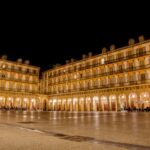
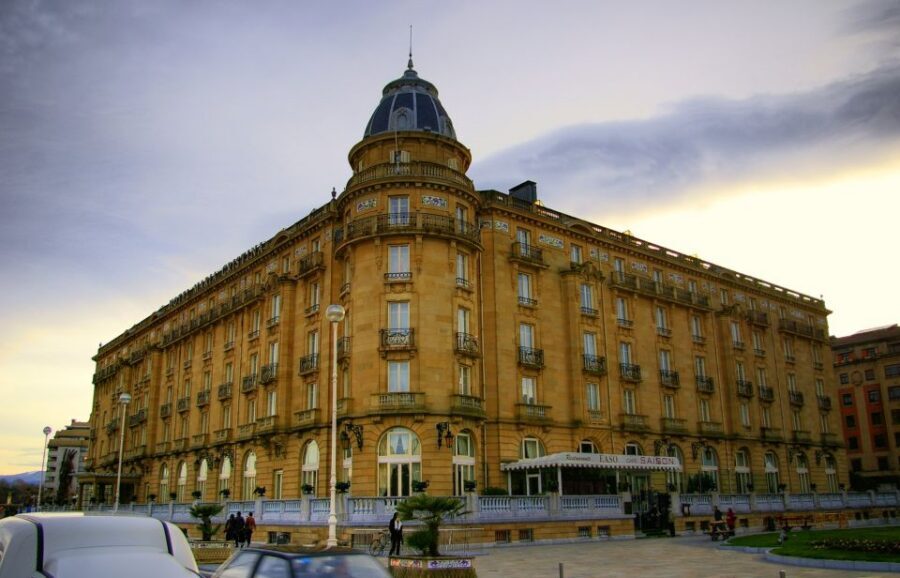
The opening stretch is all about origins—beginning between the Centre and the edge of the Old Town, where nineteenth-century walls once stood. That single idea gives you a key: you’re seeing not only what the city looks like, but how it evolved from older boundaries into a fashionable destination.
From there, you’ll connect the dots between the Belle Époque transformation and specific places you’ll recognize instantly from photos and postcards:
- City Hall and the civic “center”
- Historic hotels, including Londres and María Cristina
- The Victoria Eugenia Theatre
- The imprint of Queen María Cristina on how the city expanded
What I like about this portion is that it doesn’t treat architecture like trivia. Your guide will help you interpret façades and design choices as clues. Why certain areas developed, why grand buildings appeared, and why some views and promenades feel the way they do today.
There’s also a practical payoff: once you understand the city’s expansion pattern, you can walk more confidently afterward. You’ll know where you are in the story, not just on the map.
Downtown landmarks that set the tone (City Hall, cathedral, and a hotel pass-by)
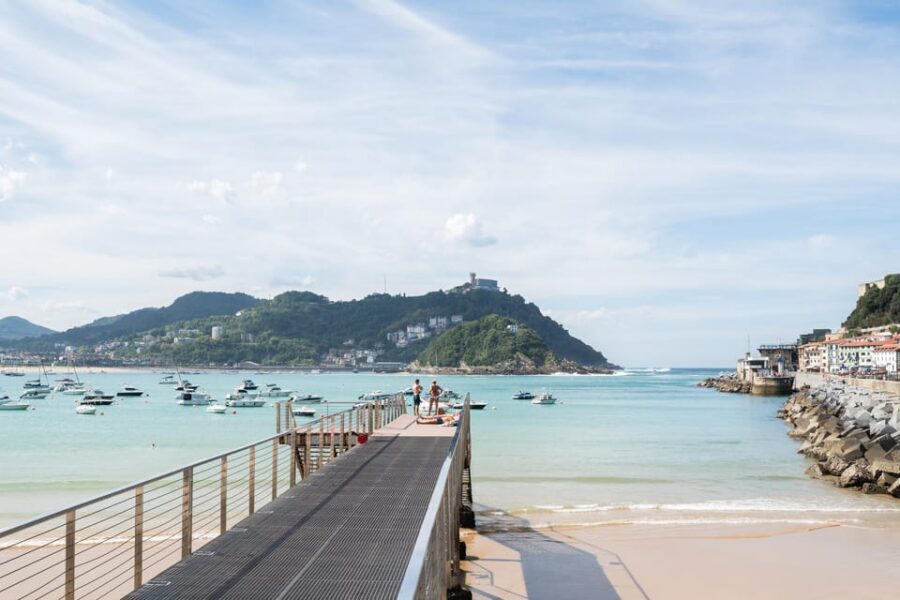
After the Belle Époque groundwork, the itinerary keeps moving through big “anchor” sights that define Downtown and the approach toward the Old Town.
You’ll spend time around:
- Donostia-San Sebastián City Hall
- Buen Pastor Cathedral
- And you’ll pass by Hotel María Cristina (a short guided look)
These stops are useful because they act like visual rest points. When you’re walking for a couple hours, you want moments where you can pause, look up, and take in scale—churches and landmark buildings do that naturally.
A quick heads-up: cathedral and hotel exteriors are exactly that—exteriors and street-level views. If you’re the type who needs interior access for maximum satisfaction, plan your expectations around what this experience is designed to do: a walking tour with historical context, not a ticketed highlights-and-rooms program.
La Concha Beach: a quick photo moment with the right context
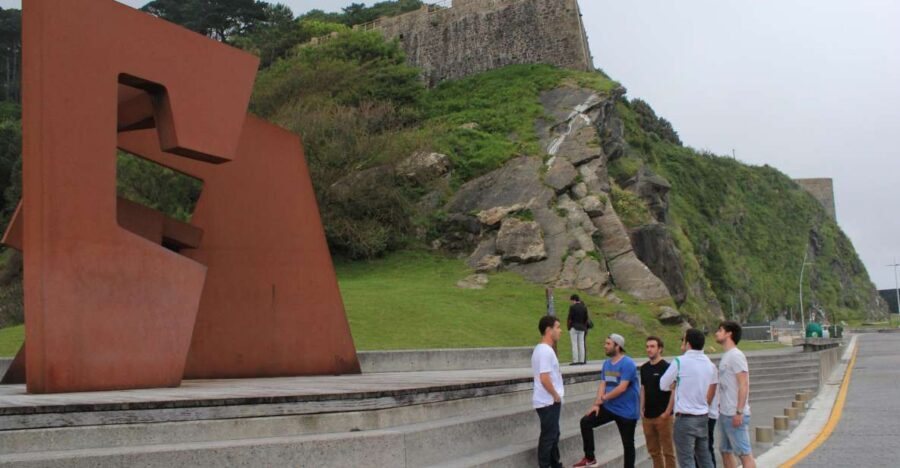
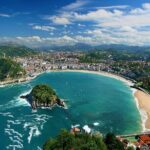
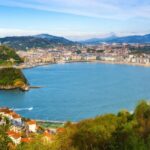
One of the itinerary’s classic hits is La Concha Beach. You’ll have a short photo stop so you can catch the famous curve of the bay and the promenade feel.
This stop is brief by design, and that’s good. The value here is timing. If you do La Concha too late, your light and energy might be fading. If you do it too early without context, it turns into just another scenic stop. Here, you’ve already started learning how the city’s identity connects to its waterfront elegance.
Bring your camera (or phone) and also bring your eyes. Look at how the promenade spaces relate to the buildings behind you. Your guide’s commentary helps you see the city’s priorities: style, sea air, and public life built into the walk.
Peine del Viento: art, wind, and the Cantabrian Sea viewpoint
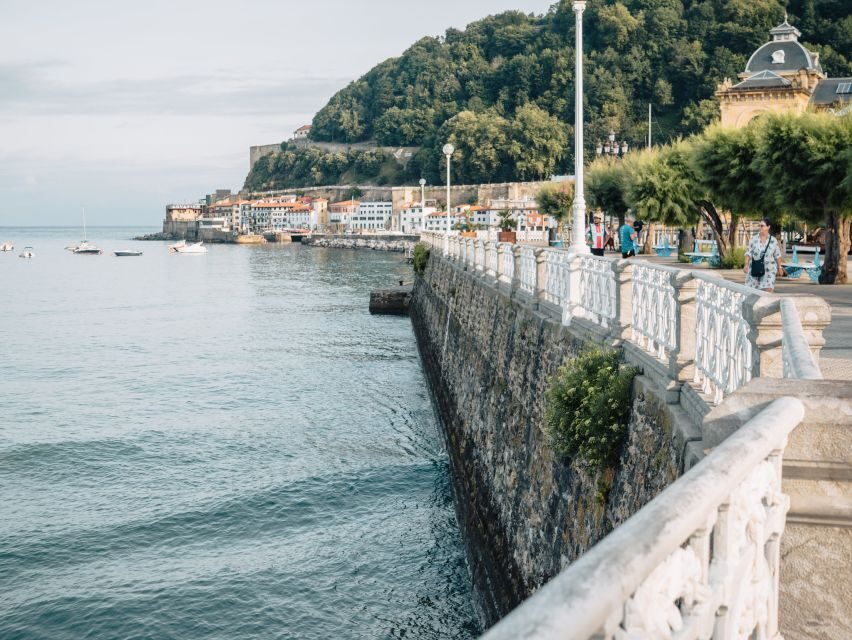
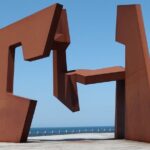
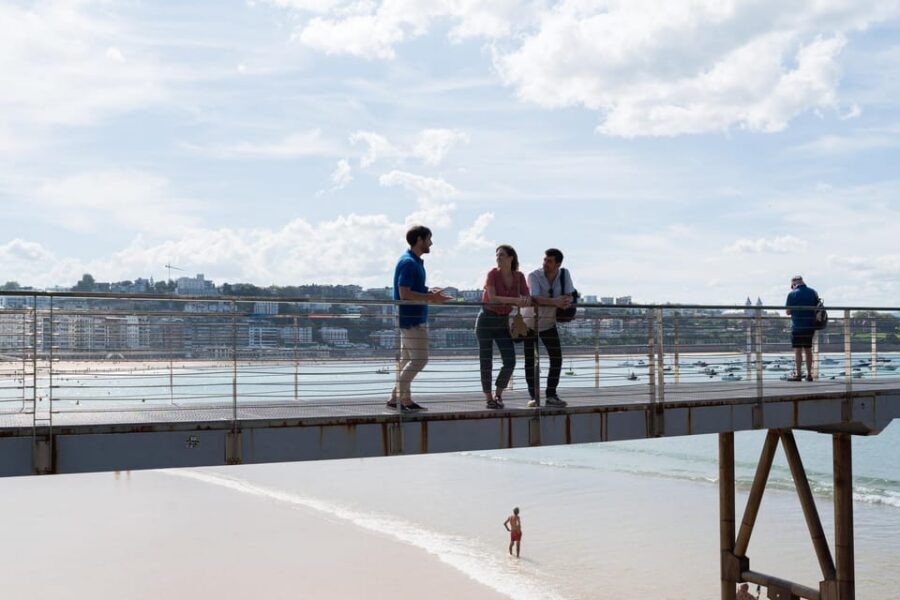
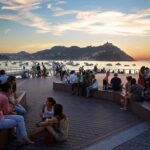
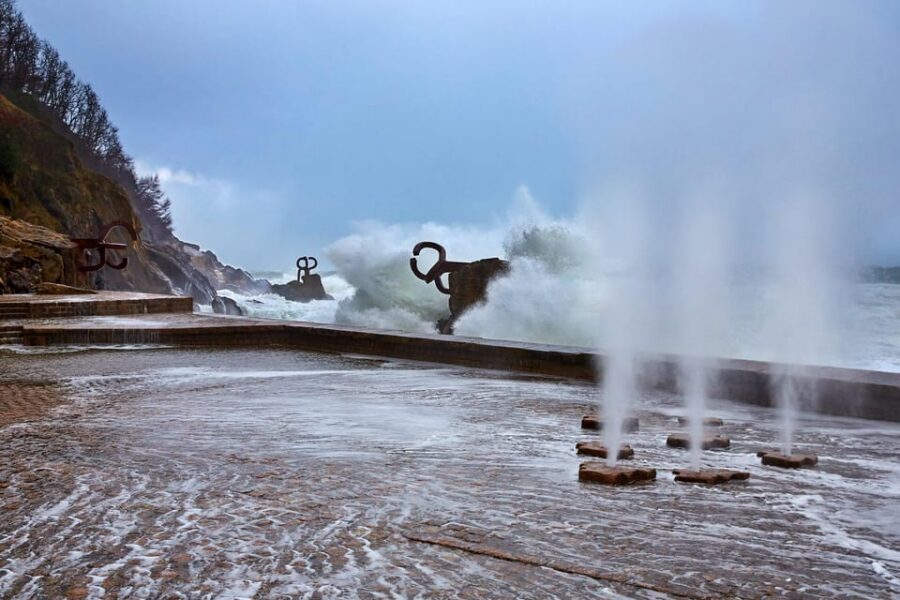
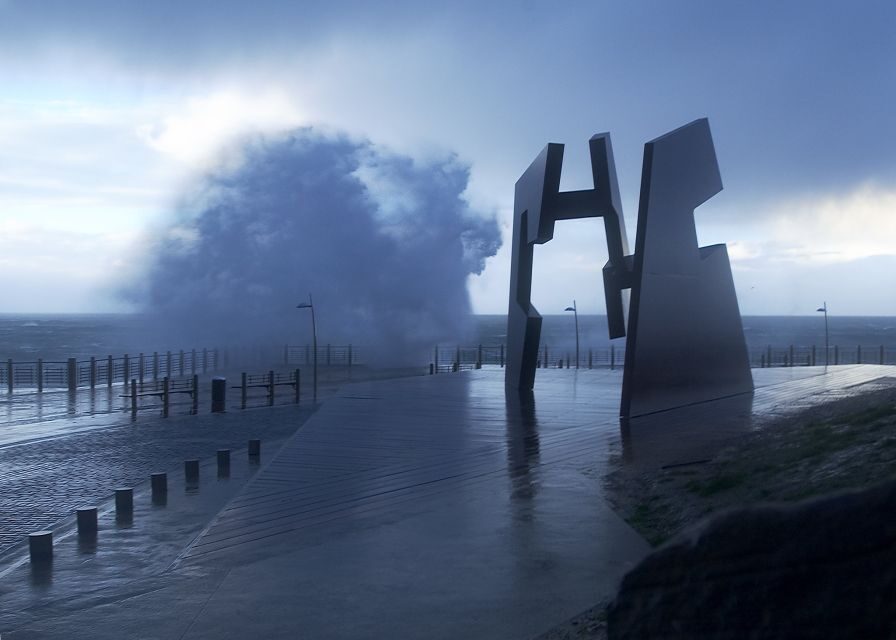
If La Concha is the postcard, Chillida’s Peine del Viento is the “you’re really here” moment. You’ll get a guided walk-and-look at Peine del Viento, with the bay and the Cantabrian Sea as the backdrop.
This is a great stop for two reasons:
- It’s visual. You can’t miss the scale of the public art, and the viewpoint gives you a sense of Donostia’s relationship with the water.
- It’s interpretive. Your guide can connect public art to the city’s personality—how it uses landscape views and maritime energy as part of its cultural identity.
Also, this is where you’ll likely start seeing why the guide’s “read the city” approach matters. You’re not just looking at metal sculpture. You’re positioning yourself within the view lines, and learning how people here experience the shoreline.
Weather matters here more than at other stops. If it’s windy or drizzly, you’ll feel it at the viewpoint. Not a deal-break, but worth planning for with a light layer.
Other walking tours we've reviewed in San Sebastian
Old Town San Sebastián: churches, market energy, pintxo-lined streets
After the bay and viewpoints, you shift into the historic heart of Donostia. This is where the tour turns practical and delicious in spirit.
You’ll see and learn about:
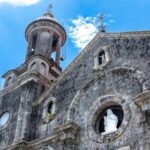
- Churches such as San Vicente and Santa María
- The market area
- Pintxo-lined streets
- Characterful squares (the kind you’ll want to circle back to later)
This part is one of the most valuable because your guide isn’t just listing sights. You’ll get genuine recommendations for how to keep enjoying the city on your own. That could mean where to linger for atmosphere, what kind of streets to prioritize at night, and how to pace yourself so you don’t rush past the good stuff.
The churches and squares are also more than photo backdrops. They’re orientation points. Once you understand which squares connect to which streets, you can navigate without feeling like you’re constantly recalculating.
And yes, there are pintxo streets involved. Even though food and drinks aren’t included (unless specified), you can expect gastronomic tips. You’ll leave with ideas, not just directions.
Optional panoramics: Miramar Palace exterior and Tabakalera terrace views
If you want more scenery and a slightly higher “wow factor per minute,” the route can be extended for a more panoramic experience.
The optional extension can include:
- The exterior of Miramar Palace
- Tabakalera museum, with its terrace viewpoint
- Peine del Viento (tie-back for bay and public art views)
This is the right add-on if you want a broader sense of how Donostia wraps around the bay. Tabakalera’s terrace viewpoint especially fits this idea: you get a look-out perspective that complements what you already learned earlier.
One consideration: if your group prefers a calm, conversational walking pace, extension time might feel like “one more stop” rather than a full reset. The tour is flexible in both duration and pace, so it’s worth asking your guide what will feel best for your timing and energy level.
Duration and pacing: why 2–4 hours is a sweet spot
The tour runs 2 to 4 hours, and it’s designed to match the vibe of the city. San Sebastián is one of those places where you’ll want to spend the rest of your day wandering. This length works because it gives you context without stealing your whole itinerary.
If you’re a couple or small group, private pacing can reduce fatigue. Instead of walking while staring at a phone map, you’re walking with a plan. You stop when it matters, and you move when you’ll benefit from momentum.
If you have kids, a shorter version often makes sense—especially if your group needs frequent breaks. If you’re a group of friends who love photos and architecture, you’ll probably appreciate the option to extend toward viewpoints.
What you’re really paying for: $165 per group up to 4
Price is $165 per group up to 4. That’s how you should think about the value: it’s not a per-person ticket that quickly becomes expensive. It’s a private service cost divided across your group.
Here’s the practical way to judge it:
- If you’re 3–4 people, the cost per person becomes easier to swallow, and you’re getting real personalization.
- If you’re just 2 people, you’re paying more per head, so you should make sure you truly want a guided walk versus a self-guided stroll.
What you get that justifies it is the combination of:
- Local guide time
- Unique insights and the chance to ask questions
- A flexible route built around your interests and your pace
And one more thing: the guide’s role is more than “pointing.” A good guide helps you notice. In a verified booking, Francisco was described as engaging, ready with materials, and always answering questions. That kind of on-the-spot responsiveness is exactly what transforms sightseeing into understanding.
Practical tips to get the most from the walk
A private walking tour can feel either great or oddly slow depending on how you approach it. Here’s how to make it hit.
- Wear shoes you can stand in for a while. This is still walking, even if the stops are short.
- Use your questions early. Ask things like where locals go for pintxos, when to visit La Concha again, or what area you should prioritize next.
- Bring a light layer for wind at viewpoints. Peine del Viento can feel exposed.
- Plan to continue on your own afterward. The guide’s recommendations for squares, streets, and places to return to are meant to extend the tour into the rest of your day.
Also, languages are Spanish and English, so make sure your guide knows your preference at the start if you have one.
FAQ
FAQ
Where does the private tour start?
The meeting point is the San Sebastián Tourism Office, Oficina de Turismo de San Sebastián, Alameda del Blvd., 8, 20003 Donostia-San Sebastián. Please wait outside the tourist office.
How long is the San Sebastián private walking tour?
The duration is 2 to 4 hours, depending on the starting time and how you pace the walk.
Is this tour private or shared?
It’s a private group tour, with pricing listed per group up to 4 people.
What languages are available?
The local guide offers Spanish and English.
What’s included in the price?
Included are a local guide plus unique insights and personalized attention during the tour.
Are food and drinks included?
No. Food and drinks aren’t included unless specified.
Does the tour include La Concha Beach?
Yes. There’s a short photo stop at La Concha Beach during the tour.
Does the tour include Peine del Viento?
Yes. Peine del Viento is part of the guided route, with a guided visit and viewpoint focus.
Can you extend the route for more panoramic stops?
Yes. The route can be extended to include the exterior of Miramar Palace, Tabakalera museum with its terrace viewpoint, and Chillida’s Peine del Viento area for bay and sea views.
Is the tour wheelchair accessible?
Yes, the tour is listed as wheelchair accessible.
Should you book this private walking tour?
Book it if you want Donostia to feel understandable fast. This is especially good for couples, families, or a small group of friends who care about architecture and want local life + history without spending hours planning routes.
Skip or supplement it if your main goal is lots of indoor attractions. The experience is built around walking and street-level insights, with optional viewpoints, not a museum-heavy schedule.
If you’re visiting San Sebastián for a short window and you want to hit Old Town, La Concha, and the bay viewpoints with context, this is a strong use of time. Just show up with good shoes, a bit of curiosity, and room to wander afterward.