REVIEW · SAN SEBASTIAN
Art and culture – San Sebastian
Book on Viator →Operated by Iñaki · Bookable on Viator
San Sebastián hides stories in plain sight. This 2-hour street walk uses art and architecture to explain how Basque culture thinks, travels, and remembers. It is a break from the usual pintxo-only rhythm, with Iñaki guiding you through symbolic buildings and street corners.
I love two things most: the way Iñaki connects what you see to why it matters, and the human pace of a maximum of six people. You get real face-to-face attention, and his stories land with a bit of comedy, including the kind of patient answers that can handle a relative’s thousand questions.
One possible drawback: it’s short. If you want museums, long photo stops, or lots of sit-down time, this is more about street-level understanding than deep museum immersion.
In This Review
- Key highlights for your Basque culture walk
- Art and culture in San Sebastián, without the usual script
- Where you start on Alameda del Boulevard (and why it matters)
- Ayuntamiento de San Sebastián: a City Hall with a past that surprises
- La Concha Pasealekua: walking the city’s best-known promenade
- A quick look inside: Good Shepherd Cathedral
- The Post Office Building: a street-level shift toward rationalism and modernism
- The facade that asks you questions: the tax-paying building
- Oldest house and oldest church: time gets personal on foot
- The square rebuilt after the fire: counting balcony numbers
- The pace, group size, and walking length that make this work
- Price check: what $34.70 buys you in attention
- Who this San Sebastián art-and-culture walk suits best
- Should you book this art and culture walk?
- FAQ
- How long is the San Sebastián art and culture tour?
- How much does the tour cost?
- What is the group size?
- Is the ticket digital?
- Where does the tour start and end?
- Can I cancel for a full refund?
- Is it suitable for people who need transportation nearby or have service animals?
Key highlights for your Basque culture walk
- Iñaki’s story style: city facts tied to art, symbols, and small social clues you would otherwise miss
- Small group size (up to 6): easier eye contact and more back-and-forth than bigger tours
- La Concha orientation: a classic promenade used as a visual map for how the city works
- Architecture changes in real time: the walk tracks shifts in style, including rationalism/modernism vibes
- Seafaring symbolism: you’ll notice facade details and compare first voyages in opposite directions
- Time travel on foot: oldest house, oldest church, and a square rebuilt after a major fire
Art and culture in San Sebastián, without the usual script
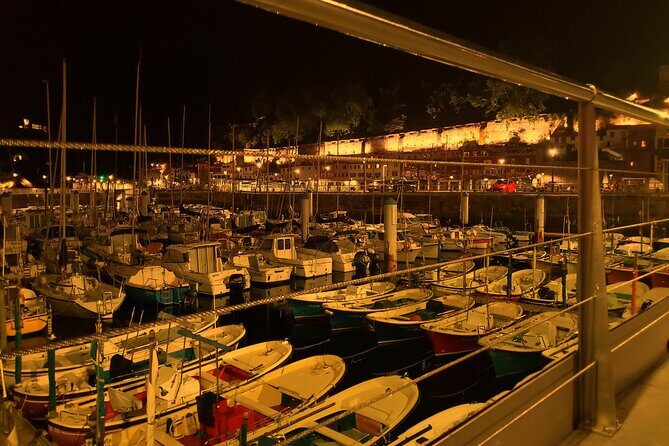
If San Sebastián feels like a postcard to you, this tour gives you the text under the photo. You’re not just ticking off monuments. You’re learning how the city’s buildings and public spaces act like a visual language—one Basque culture has been reading for generations.
Iñaki frames the walk around big themes that feel surprisingly local: kings and queens in summer, pirates, whales, travel toward the Americas, and the way stories ride on the sea. Those themes aren’t random. They show up as symbols, design choices, and hints about who the city expected to be living there.
You’ll also learn to read architecture like a clue. Some facades look decorative until you understand what they’re telling you about power, commerce, belief, and civic life. It’s the kind of street education that makes future walks through San Sebastián feel smarter.
If you're still narrowing it down, here are other tours in San Sebastian we've reviewed.



Where you start on Alameda del Boulevard (and why it matters)
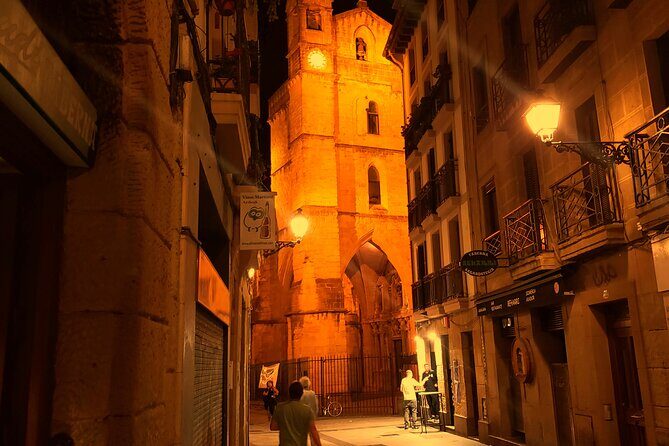
You meet at Boulevardeko Kioskoa on Alameda del Blvd. (Alameda del Boulevard, 25, 20003 San Sebastián). Starting here helps you build an early sense of direction, not just a random pickup spot.
From the start, the tour’s tone is practical. Iñaki points you toward specific streets and landmarks and then slows down long enough for you to actually see them. That makes a big difference in a city where the scenery is gorgeous but easy to skim past.
Also, because the group is small, it is easier to adjust. If someone wants a little more time at a facade detail or wants to stop for a better viewing angle, the pace can flex. That is not a small thing in a short, 2-hour experience.
Ayuntamiento de San Sebastián: a City Hall with a past that surprises
Your first stop is the Ayuntamiento de San Sebastián, the city hall. You’ll take it in as a building, then as a snapshot of what society could look like around 1920—right down to the question of what kind of place it could have felt like.
Here’s why I like this start: City Hall is a civic anchor, but it’s also symbolism. You’re learning how power and public life were staged in stone and layout. Even if you only catch a few details, the big idea sticks: the city had a way of communicating its rules and identity through architecture.
This stop is also manageable in time—about 10 minutes—and it includes admission with a free ticket, so you can step in without feeling like you’re paying for time. It’s a good opener because it gives you a framework you’ll use all walk long.
La Concha Pasealekua: walking the city’s best-known promenade
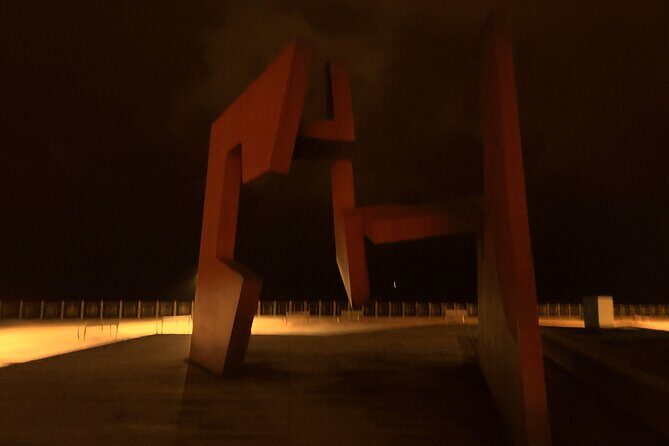
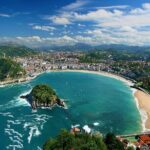
Next you move to Kontxa Pasealekua (Paseo de la Concha), a 10-minute pause built for orientation and atmosphere. This is one of those places where the views are obvious, but the lesson isn’t.
Instead of treating La Concha as a background beauty shot, Iñaki uses it to reset your brain. You start noticing how the promenade connects to the city’s identity and how San Sebastián presents itself—calm, formal, and welcoming, but still tied to its history.
You’ll also get time to just look. That matters, because later stops rely on your ability to compare: open spaces versus facades, walking views versus architectural details. La Concha is the warm-up that helps you see the next parts more clearly.
A quick look inside: Good Shepherd Cathedral
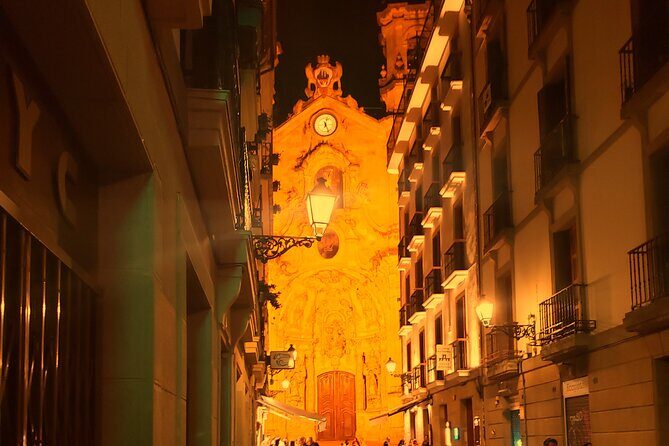
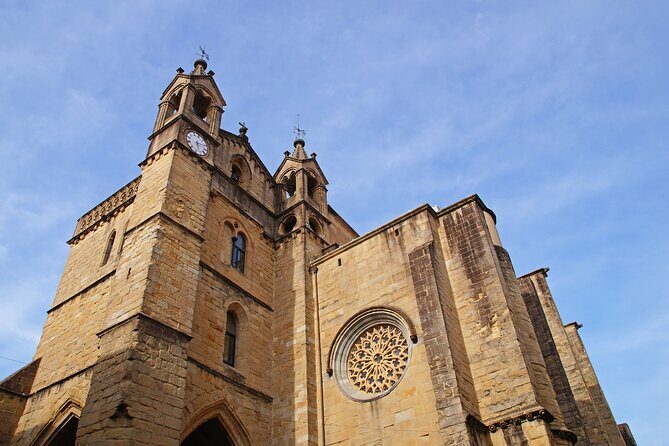
From the promenade flow, you shift toward the Good Shepherd Cathedral. You can go inside for a short moment, while Iñaki stays outside so you can take it in at your own pace.
Even if you’re not a cathedral person, this stop is useful because it breaks the pattern. Up until now, you’ve been building a visual map with civic and public spaces. A quick interior visit adds texture—what the city turns to when it wants to express faith, community, and shared meaning.
A quick note: because it’s a brief inside window, don’t plan for long lingering. Treat it as a palate cleanser and then get ready to refocus on architecture outside.



The Post Office Building: a street-level shift toward rationalism and modernism
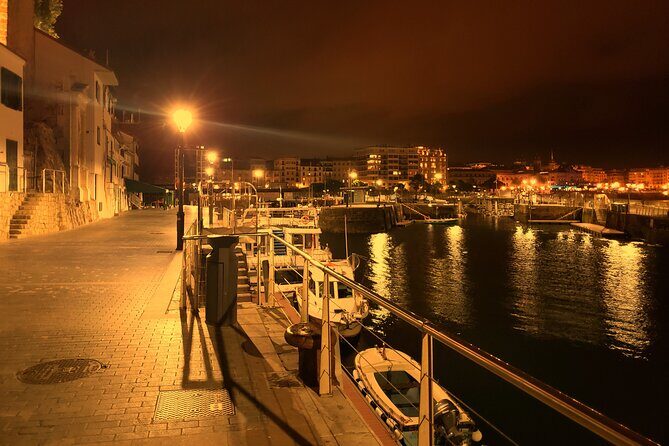
Then the walk starts to feel like a style timeline. You stop at the Post Office Building, where you begin to see a small change in architecture—and the tour leans into how styles signal different eras and priorities.
This is where the big themes start to feel less like trivia and more like a pattern. Iñaki nudges you to compare shapes and choices: cleaner lines, more structured design logic, and that rational clarity people associate with rationalism and modernism.
The tour even frames this part as walking through Paris in spirit. That’s not about copying Paris. It’s about noticing how European cities communicated modernization through public buildings and design language that people recognized across borders.
If you like architecture, you’ll probably feel your attention sharpen here. If architecture isn’t your thing, you can still follow, because the tour keeps turning the design clues into human stories—who used these spaces, why they mattered, and what the city tried to project.
The facade that asks you questions: the tax-paying building
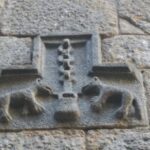
At another key facade, the tour leans into civic life as theatre. You’ll stop where it’s said that this is where the city pays its taxes, and you’ll look closely at the faces on the building.
This is one of the more fun stops because the questions are the point. Iñaki points out details and guides you through comparisons—who sailed around the world first, and who sailed the other way around. Those references link architecture to a culture that tracked exploration, trade, and the power of long-distance movement.
You’ll also pick up on how a city uses recognizable symbols to teach people how to feel. A facade like this isn’t only for administrators. It’s a public message: we’re organized, we’re connected, and our world goes outward.
If you enjoy small detective moments, don’t rush this one. Look up. Scan the faces. Let the guide’s explanation anchor what you’re seeing so it stops being generic stone.
Oldest house and oldest church: time gets personal on foot
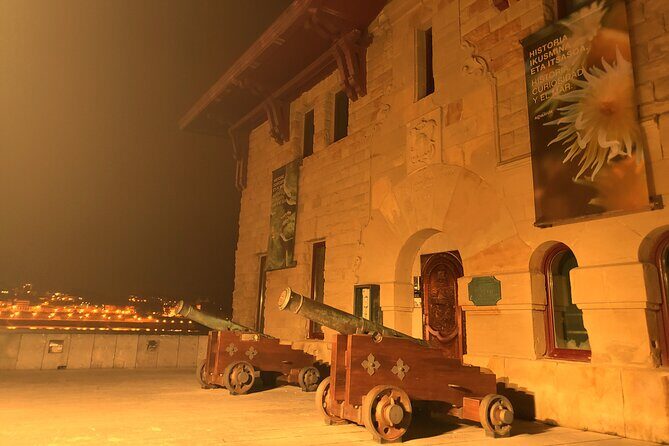
Then the tour turns toward deep time with two big markers: the oldest house and the oldest church. These are quick stops, but they carry weight because they change how you measure the city.
At the oldest house, Iñaki sets up the idea that San Sebastián doesn’t just evolve—it layers. You start noticing how old remains stand right beside newer decisions, and you realize that the city’s identity is a stack of choices, not a single era.
The oldest church stop also brings in a recognizable historical hook: Napoleon. The idea isn’t to force a full lecture, but to use a famous figure as a way to think about how far-reaching politics can touch even local architecture.
This part is great for travelers who like history but get tired when it stays abstract. Here, history is in the physical record. It gives you something you can point to while walking.
The square rebuilt after the fire: counting balcony numbers
Another stop takes you to the newer square when the city burned. This is where the walk gets very story-driven, because rebuilding is always about values: what you keep, what you change, and what you signal to future residents.
Iñaki asks you to look at the numbers on the balconies. The point isn’t just to read them—it’s to understand that architecture can carry data, memory, and instructions for living.
This stop also helps with pacing. You’ve been gathering a lot of information about buildings and symbols. A rebuilding story gives you a narrative thread that ties it together: the city didn’t just decorate itself. It recovered and redesigned.
And because this is still in the old-town area, it sets you up well for wandering afterward. You end up understanding the street fabric instead of just admiring it.
The pace, group size, and walking length that make this work
The full experience is about 2 hours, and it’s built as a compact route. That length is ideal if you want something meaningful without losing a whole day to tours.
The small group size—up to 6—is the secret sauce. It changes how questions work. You can ask something in the middle without feeling like you’re stealing time. You can hear the explanation clearly. You can also adjust if someone in your group wants a slightly different viewing angle.
And yes, the walk can feel calm, especially if you catch an evening departure. The atmosphere is different then—streets feel less crowded, stories feel quieter, and you can hear more of the conversation without competing noise.
Don’t expect long stops. Expect short, focused windows where the goal is understanding, not lingering for an hour per landmark. If that matches your travel style, you’ll love it.
Price check: what $34.70 buys you in attention
At $34.70 per person, this tour isn’t “cheap,” but it also isn’t priced like a big-brand production. What you’re paying for is attention: a small group, a guide-led story thread, and time spent at landmarks where architecture becomes readable.
For me, value comes from how the tour uses its short duration. You’re not buying time in a queue or a museum entry fee you’ll barely use. You’re buying interpretation—how to see what’s in front of you, then carry that skill into the rest of your day.
Also, there’s a real pricing philosophy hinted by the low cost and tips welcome idea. The guide seems invested in accessibility. That matters because it makes it feel less like an exclusive club and more like a friendly city briefing you can afford.
One caution on value: if you’re expecting a long, content-heavy production with many stops and lots of free time, this may feel tighter than you want. The route is concise by design.
Who this San Sebastián art-and-culture walk suits best
This works especially well if you like culture in a practical form: buildings, symbols, and explanations you can use immediately while walking.
It’s also a strong match for:
- Small groups or couples who want to ask questions
- Travelers who care about architecture but don’t want to study it alone
- Anyone who gets tired of tours that only describe what you can already read on a sign
- People who enjoy a guide who brings stories to life with a light tone
If you prefer total independence and hate structured walks, you might find it less compelling. But if you’d rather get oriented fast and then roam with better context, this is a smart way to start your San Sebastián understanding.
Should you book this art and culture walk?
Book it if you want a short, high-attention way to understand San Sebastián beyond pintxos. I like this tour because it treats the city like a readable storybook—City Hall, La Concha, the cathedral interior moment, the Post Office style shift, the tax-paying facade symbolism, and those older landmarks that make time feel real.
Skip it if you want deep museum time, long photo sessions, or a very slow pace. It’s compact by nature, and that can feel rushed if your ideal tour is leisurely.
If you do book, plan to keep walking afterward. Starting with a guide’s eyes makes the rest of your San Sebastián day sharper.
FAQ
How long is the San Sebastián art and culture tour?
It lasts about 2 hours.
How much does the tour cost?
The price is $34.70 per person.
What is the group size?
The tour has a maximum of 6 travelers.
Is the ticket digital?
Yes. It uses a mobile ticket.
Where does the tour start and end?
It starts at Boulevardeko Kioskoa on Alameda del Blvd., 25, and ends at Donostiako Liburutegi Zerbitzua at Plaza Constitución in the old town.
Can I cancel for a full refund?
Yes, you can cancel up to 24 hours in advance for a full refund.
Is it suitable for people who need transportation nearby or have service animals?
Service animals are allowed, and the tour is near public transportation.